Tag: environment

Reel Time: We protect what we love

Several years ago, I remember watching a tribute to the late John Lewis, the Black American politician and civil-rights leader. Lewis encouraged people to speak up and act when they see wrongs that need to be righted. While Lewis will be remembered for his bravery in the face of incredible hostility and hatred centered on human rights, his message, I believe, speaks to the threat facing local waters and the habitat that supports it.

Coastal habitats plays a pivotal role in the lives of everyone that resides and works on the Suncoast, from construction workers in Lakewood Ranch to the charter fishing guides that support their families and our passion as anglers. That’s why it’s so important that we protect these irreplaceable treasures so that future generations might have the same opportunities we’ve had.

You’ve read in this column about the pressures on our fisheries and the insults to water quality and habitat that underpin our passion and our economy. It’s critical that we support organizations like Suncoast Waterkeeper, Oyster River Ecology and Sarasota Bay Watch that are addressing these issues. Through outreach, education and advocacy these organizations defend communities against the threats to clean water and habitat. Suncoast Waterkeeper, founded by Sarasota environmental attorney Justin Bloom, has been effective in forcing municipalities from St. Petersburg to Sarasota to adhere to the laws set down in the landmark Clean Waters Act. The legislation, signed into law in 1972, establishes the basic structure for regulating discharges of pollutants into the waters of the U.S. and regulating quality standards for surface waters. Locally the law has allowed Suncoast Waterkeeper to force municipalities to address and redress the release of wastewater that has raised nutrient levels in local waters to dangerous levels.

Fortunately, it’s not too late to save these precious resources. Sarasota County, in a settlement with Suncoast Waterkeeper, just had a ribbon-cutting ceremony dedicating a $210 million dollar advanced wastewater system.

We all need to do our part by voting for proposals and leaders (both locally and federally) that support habitat protection and enhancement, as well as clean water. You can check a candidate’s voting record at the non-partisan League of Conservation Voters. For someone with no voting record, it’s enlightening to explore what interests are supporting their campaigns.
Join with Suncoast Waterkeeper to help with local clean water initiatives at www.suncoast waterkeeper.org. Learn about Sarasota Bay Watch and their work at www.sarasotabaywatch.org, and to learn about restoration at scale (17 acres of oysters), visit Oyster River Ecology. If we don’t step up, who will?

Postcards from The Sun

- Cindy Lane | Sun

- Cindy Lane | Sun

- Cindy Lane | Sun

- Cindy Lane | Sun

- Cindy Lane | Sun

- Cindy Lane | Sun

- Cindy Lane | Sun

- Cindy Lane | Sun

- Cindy Lane | Sun

- Cindy Lane | Sun

- Cindy Lane | Sun

- Cindy Lane | Sun

- Cindy Lane | Sun

- Cindy Lane | Sun

- Cindy Lane | Sun

- Cindy Lane | Sun

- Cindy Lane | Sun

- Cindy Lane | Sun

- Cindy Lane | Sun

- Cindy Lane | Sun

- Cindy Lane | Sun

- Cindy Lane | Sun

- Cindy Lane | Sun

- Cindy Lane | Sun

- Cindy Lane | Sun

- Cindy Lane | Sun

- Cindy Lane | Sun

- Cindy Lane | Sun

- Cindy Lane | Sun

- Cindy Lane | Sun

- Cindy Lane | Sun

- Cindy Lane | Sun

- Cindy Lane | Sun

- Cindy Lane | Sun

- Cindy Lane | Sun

- Cindy Lane | Sun

- Cindy Lane | Sun

- Cindy Lane | Sun

- Cindy Lane | Sun

- Cindy Lane | Sun

- Cindy Lane | Sun

- Cindy Lane | Sun

- Cindy Lane | Sun

- Cindy Lane | Sun

- Cindy Lane | Sun

- Cindy Lane | Sun

- Cindy Lane | Sun

- Cindy Lane | Sun

- Cindy Lane | Sun

- Cindy Lane | Sun

- Cindy Lane | Sun

- Cindy Lane | Sun

- Cindy Lane | Sun

- Cindy Lane | Sun

- Cindy Lane | Sun

- Cindy Lane | Sun

Cindy Lane | Sun

Cindy Lane | Sun

- Cindy Lane | Sun

- Cindy Lane | Sun

- Cindy Lane | Sun

- Cindy Lane | Sun

- Cindy Lane | Sun

- Cindy Lane | Sun

- Cindy Lane | Sun

- Cindy Lane | Sun

- Cindy Lane | Sun

- Cindy Lane | Sun

- Cindy Lane | Sun

- Cindy Lane | Sun

- Cindy Lane | Sun

- Cindy Lane | Sun

- Cindy Lane | Sun

- Cindy Lane | Sun

- Cindy Lane | Sun

- Cindy Lane | Sun

Sunset - Cindy Lane | Sun

Sunset - Cindy Lane | Sun

- Cindy Lane | Sun

- Cindy Lane | Sun

- Cindy Lane | Sun

- Cindy Lane | Sun

- Cindy Lane | Sun

- Cindy Lane | Sun

- Cindy Lane | Sun

- Cindy Lane | Sun

- Cindy Lane | Sun

- Cindy Lane | Sun

- Cindy Lane | Sun

- Cindy Lane | Sun

- Cindy Lane | Sun

- Cindy Lane | Sun

- Cindy Lane | Sun

- Cindy Lane | Sun

- Cindy Lane | Sun

- Cindy Lane | Sun

- Cindy Lane | Sun

- Cindy Lane | Sun

- Cindy Lane | Sun

- Cindy Lane | Sun

- Cindy Lane | Sun

- Cindy Lane | Sun

- Cindy Lane | Sun

- Cindy Lane | Sun

- Cindy Lane | Sun

- Cindy Lane | Sun

- Cindy Lane | Sun

- Cindy Lane | Sun

- Cindy Lane | Sun

- Cindy Lane | Sun

- Cindy Lane | Sun

- Cindy Lane | Sun

- Cindy Lane | Sun

- Cindy Lane | Sun

- Cindy Lane | Sun

- Cindy Lane | Sun

-Cindy Lane | Sun

-Cindy Lane | Sun

- Cindy Lane | Sun

- Cindy Lane | Sun

- Cindy Lane | Sun

- Cindy Lane | Sun

- Cindy Lane | Sun

- Cindy Lane | Sun

- Cindy Lane | Sun

- Cindy Lane | Sun

- Cindy Lane | Sun

- Cindy Lane | Sun

- Cindy Lane | Sun

- Cindy Lane | Sun

- Cindy Lane | Sun

- Cindy Lane | Sun

- Cindy Lane | Sun

- Cindy Lane | Sun

- Cindy Lane | Sun

- Cindy Lane | Sun

- Cindy Lane | Sun

- Cindy Lane | Sun

- Cindy Lane | Sun

- Cindy Lane | Sun

- Cindy Lane | Sun

- Cindy Lane | Sun

- Cindy Lane | Sun

- Cindy Lane | Sun

- Cindy Lane | Sun

- Cindy Lane | Sun

- Cindy Lane | Sun

- Cindy Lane | Sun

- Cindy Lane | Sun

- Cindy Lane | Sun

- Cindy Lane | Sun

- Cindy Lane | Sun

- Cindy Lane | Sun

- Cindy Lane | Sun

- Cindy Lane | Sun

- Cindy Lane | Sun

- Cindy Lane | Sun

- Cindy Lane | Sun

- Cindy Lane | Sun

- Cindy Lane | Sun

- Cindy Lane | Sun

- Cindy Lane | Sun

- Cindy Lane | Sun

- Cindy Lane | Sun

- Cindy Lane | Sun

- Cindy Lane | Sun

- Cindy Lane | Sun

- Cindy Lane | Sun

- Cindy Lane | Sun

- Cindy Lane | Sun

- Cindy Lane | Sun

- Cindy Lane | Sun

- Cindy Lane | Sun

- Cindy Lane | Sun

- Cindy Lane | Sun

- Cindy Lane | Sun

- Cindy Lane | Sun

- Cindy Lane | Sun

- Cindy Lane | Sun

- Cindy Lane | Sun

- Cindy Lane | Sun

- Cindy Lane | Sun

- Cindy Lane | Sun

- Cindy Lane | Sun

- Cindy Lane | Sun

- Cindy Lane | Sun

- Cindy Lane | Sun

- Cindy Lane | Sun

- Cindy Lane | Sun

- Cindy Lane | Sun

- Cindy Lane | Sun

- Cindy Lane | Sun

- Cindy Lane | Sun

- Cindy Lane | Sun

- Cindy Lane | Sun

- Cindy Lane | Sun

- Cindy Lane | Sun

- Cindy Lane | Sun

- Cindy Lane | Sun

- Cindy Lane | Sun

- Cindy Lane | Sun

- Cindy Lane | Sun

- Cindy Lane | Sun

- Cindy Lane | Sun

- Cindy Lane | Sun

- Cindy Lane | Sun

- Cindy Lane | Sun

- Cindy Lane | Sun

- Cindy Lane | Sun

- Cindy Lane | Sun

- Cindy Lane | Sun

- Cindy Lane | Sun

- Cindy Lane | Sun

- Cindy Lane | Sun

- Cindy Lane | Sun

- Cindy Lane | Sun

- Cindy Lane | Sun

- Cindy Lane | Sun

- Cindy Lane | Sun

- Cindy Lane | Sun

- Cindy Lane | Sun

- Cindy Lane | Sun

- Cindy Lane | Sun

- Cindy Lane | Sun

- Cindy Lane | Sun

- Cindy Lane | Sun

- Cindy Lane | Sun

- Cindy Lane | Sun

- Cindy Lane | Sun

- Cindy Lane | Sun

- Cindy Lane | Sun

- Cindy Lane | Sun

- Cindy Lane | Sun

- Cindy Lane | Sun

- Cindy Lane | Sun

- Cindy Lane | Sun

- Cindy Lane | Sun

- Cindy Lane | Sun

- Cindy Lane | Sun

- Cindy Lane | Sun

- Cindy Lane | Sun

- Cindy Lane | Sun

- Cindy Lane | Sun

- Cindy Lane | Sun

- Cindy Lane | Sun

- Cindy Lane | Sun

- Cindy Lane | Sun

- Cindy Lane | Sun

- Cindy Lane | Sun

- Cindy Lane | Sun

- Cindy Lane | Sun

- Cindy Lane | Sun

- Cindy Lane | Sun

- Cindy Lane | Sun

- Cindy Lane | Sun

- Cindy Lane | Sun

- Cindy Lane | Sun

- Cindy Lane | Sun

- Cindy Lane | Sun

- Cindy Lane | Sun

- Cindy Lane | Sun

- Cindy Lane | Sun

- Cindy Lane | Sun

- Cindy Lane | Sun

- Cindy Lane | Sun

- Cindy Lane | Sun

- Cindy Lane | Sun

- Cindy Lane | Sun

- Cindy Lane | Sun

- Cindy Lane | Sun

- Cindy Lane | Sun

- Cindy Lane | Sun

- Cindy Lane | Sun

- Cindy Lane | Sun

- Cindy Lane | Sun

- Cindy Lane | Sun

- Cindy Lane | Sun

- Cindy Lane | Sun

- Cindy Lane | Sun

- Cindy Lane | Sun

- Cindy Lane | Sun

- Cindy Lane | Sun

- Cindy Lane | Sun

- Cindy Lane | Sun

- Cindy Lane | Sun

- Cindy Lane | Sun

- Cindy Lane | Sun

- Cindy Lane | Sun

- Cindy Lane | Sun

- Cindy Lane | Sun

Cindy Lane | Sun

Cindy Lane | Sun

- Cindy Lane | Sun

- Cindy Lane | Sun

- Cindy Lane | Sun

- Cindy Lane | Sun

- Cindy Lane | Sun

- Cindy Lane | Sun

- Cindy Lane | Sun

- Cindy Lane | Sun

- Cindy Lane | Sun

- Cindy Lane | Sun

- Cindy Lane | Sun

- Cindy Lane | Sun

- Cindy Lane | Sun

- Cindy Lane | Sun

- Cindy Lane | Sun

- Cindy Lane | Sun

- Cindy Lane | Sun

- Cindy Lane | Sun

- Cindy Lane | Sun

- Cindy Lane | Sun

- Cindy Lane | Sun

- Cindy Lane | Sun

- Cindy Lane | Sun

- Cindy Lane | Sun

- Cindy Lane | Sun

- Cindy Lane | Sun

- Cindy Lane | Sun

- Cindy Lane | Sun

- Cindy Lane | Sun

- Cindy Lane | Sun

- Cindy Lane | Sun

- Cindy Lane | Sun

- Cindy Lane | Sun

- Cindy Lane | Sun

- Cindy Lane | Sun

- Cindy Lane | Sun

- Cindy Lane | Sun

- Cindy Lane | Sun

- Cindy Lane | Sun

- Cindy Lane | Sun

- Cindy Lane | Sun

- Cindy Lane | Sun

- Cindy Lane | Sun

- Cindy Lane | Sun

- Cindy Lane | Sun

- Cindy Lane | Sun

- Cindy Lane | Sun

- Cindy Lane | Sun

- Cindy Lane | Sun

- Cindy Lane | Sun

- Cindy Lane | Sun

- Cindy Lane | Sun

- Cindy Lane | Sun

- Cindy Lane | Sun

- Cindy Lane | Sun

- Cindy Lane | Sun

- Cindy Lane | Sun

- Cindy Lane | Sun

- Cindy Lane | Sun

- Cindy Lane | Sun

- Cindy Lane | Sun

- Cindy Lane | Sun

- Cindy Lane | Sun

- Cindy Lane | Sun

- Cindy Lane | Sun

- Cindy Lane | Sun

- Cindy Lane | Sun

- Cindy Lane | Sun

- Cindy Lane | Sun

- Cindy Lane | Sun

- Cindy Lane | Sun

- Cindy Lane | Sun

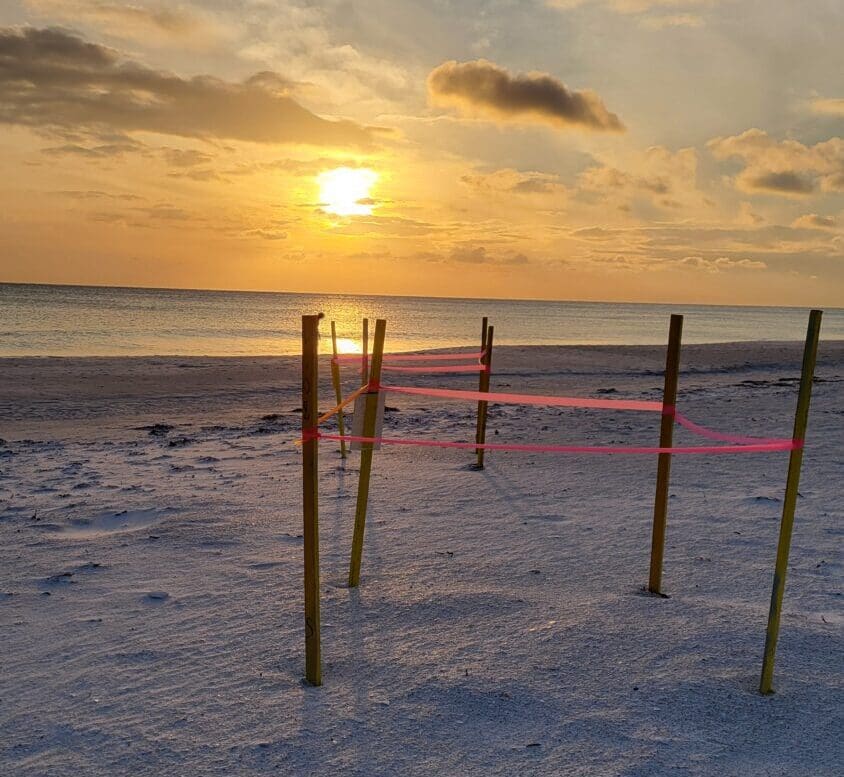
Turtle nests were high and dry before Hurricane Debby swept by. - Cindy Lane | Sun

Turtle nests were high and dry before Hurricane Debby swept by. - Cindy Lane | Sun

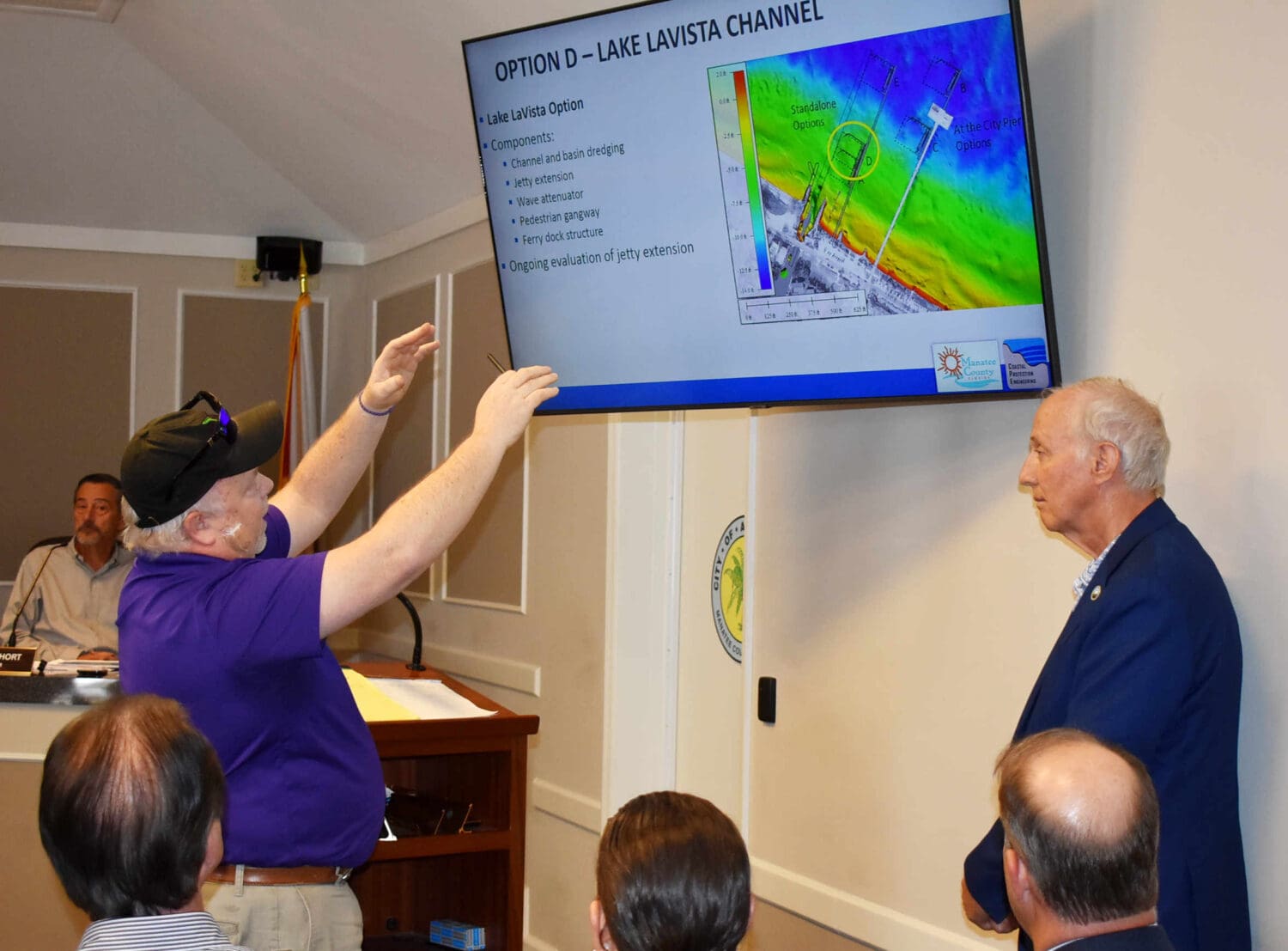
City Pier tenant Brian Seymour, left, shared his thoughts on the proposed ferry landing scenarios. - Joe Hendricks | Sun

City Pier tenant Brian Seymour, left, shared his thoughts on the proposed ferry landing scenarios. - Joe Hendricks | Sun

- Cindy Lane | Sun

- Cindy Lane | Sun

Cindy Lane | Sun

Cindy Lane | Sun


Postcards from The Sun

- Cindy Lane | Sun

- Cindy Lane | Sun

- Cindy Lane | Sun

- Cindy Lane | Sun

- Cindy Lane | Sun

- Cindy Lane | Sun

- Cindy Lane | Sun

- Cindy Lane | Sun

- Cindy Lane | Sun

- Cindy Lane | Sun

- Cindy Lane | Sun

- Cindy Lane | Sun

- Cindy Lane | Sun

- Cindy Lane | Sun

- Cindy Lane | Sun

- Cindy Lane | Sun

- Cindy Lane | Sun

- Cindy Lane | Sun

- Cindy Lane | Sun

- Cindy Lane | Sun

- Cindy Lane | Sun

- Cindy Lane | Sun

- Cindy Lane | Sun

- Cindy Lane | Sun

- Cindy Lane | Sun

- Cindy Lane | Sun

- Cindy Lane | Sun

- Cindy Lane | Sun

- Cindy Lane | Sun

- Cindy Lane | Sun

- Cindy Lane | Sun

- Cindy Lane | Sun

- Cindy Lane | Sun

- Cindy Lane | Sun

- Cindy Lane | Sun

- Cindy Lane | Sun

- Cindy Lane | Sun

- Cindy Lane | Sun

- Cindy Lane | Sun

- Cindy Lane | Sun

- Cindy Lane | Sun

- Cindy Lane | Sun

- Cindy Lane | Sun

- Cindy Lane | Sun

- Cindy Lane | Sun

- Cindy Lane | Sun

- Cindy Lane | Sun

- Cindy Lane | Sun

- Cindy Lane | Sun

- Cindy Lane | Sun

- Cindy Lane | Sun

- Cindy Lane | Sun

Cindy Lane | Sun

Cindy Lane | Sun

- Cindy Lane | Sun

- Cindy Lane | Sun

- Cindy Lane | Sun

- Cindy Lane | Sun

- Cindy Lane | Sun

- Cindy Lane | Sun

- Cindy Lane | Sun

- Cindy Lane | Sun

- Cindy Lane | Sun

- Cindy Lane | Sun

- Cindy Lane | Sun

- Cindy Lane | Sun

- Cindy Lane | Sun

- Cindy Lane | Sun

- Cindy Lane | Sun

- Cindy Lane | Sun

- Cindy Lane | Sun

- Cindy Lane | Sun

Sunset - Cindy Lane | Sun

Sunset - Cindy Lane | Sun

- Cindy Lane | Sun

- Cindy Lane | Sun

- Cindy Lane | Sun

- Cindy Lane | Sun

- Cindy Lane | Sun

- Cindy Lane | Sun

- Cindy Lane | Sun

- Cindy Lane | Sun

- Cindy Lane | Sun

- Cindy Lane | Sun

- Cindy Lane | Sun

- Cindy Lane | Sun

- Cindy Lane | Sun

- Cindy Lane | Sun

- Cindy Lane | Sun

- Cindy Lane | Sun

- Cindy Lane | Sun

- Cindy Lane | Sun

- Cindy Lane | Sun

- Cindy Lane | Sun

- Cindy Lane | Sun

- Cindy Lane | Sun

- Cindy Lane | Sun

- Cindy Lane | Sun

- Cindy Lane | Sun

- Cindy Lane | Sun

- Cindy Lane | Sun

- Cindy Lane | Sun

- Cindy Lane | Sun

- Cindy Lane | Sun

- Cindy Lane | Sun

- Cindy Lane | Sun

- Cindy Lane | Sun

- Cindy Lane | Sun

- Cindy Lane | Sun

- Cindy Lane | Sun

- Cindy Lane | Sun

- Cindy Lane | Sun

-Cindy Lane | Sun

-Cindy Lane | Sun

- Cindy Lane | Sun

- Cindy Lane | Sun

- Cindy Lane | Sun

- Cindy Lane | Sun

- Cindy Lane | Sun

- Cindy Lane | Sun

- Cindy Lane | Sun

- Cindy Lane | Sun

- Cindy Lane | Sun

- Cindy Lane | Sun

- Cindy Lane | Sun

- Cindy Lane | Sun

- Cindy Lane | Sun

- Cindy Lane | Sun

- Cindy Lane | Sun

- Cindy Lane | Sun

- Cindy Lane | Sun

- Cindy Lane | Sun

- Cindy Lane | Sun

- Cindy Lane | Sun

- Cindy Lane | Sun

- Cindy Lane | Sun

- Cindy Lane | Sun

- Cindy Lane | Sun

- Cindy Lane | Sun

- Cindy Lane | Sun

- Cindy Lane | Sun

- Cindy Lane | Sun

- Cindy Lane | Sun

- Cindy Lane | Sun

- Cindy Lane | Sun

- Cindy Lane | Sun

- Cindy Lane | Sun

- Cindy Lane | Sun

- Cindy Lane | Sun

- Cindy Lane | Sun

- Cindy Lane | Sun

- Cindy Lane | Sun

- Cindy Lane | Sun

- Cindy Lane | Sun

- Cindy Lane | Sun

- Cindy Lane | Sun

- Cindy Lane | Sun

- Cindy Lane | Sun

- Cindy Lane | Sun

- Cindy Lane | Sun

- Cindy Lane | Sun

- Cindy Lane | Sun

- Cindy Lane | Sun

- Cindy Lane | Sun

- Cindy Lane | Sun

- Cindy Lane | Sun

- Cindy Lane | Sun

- Cindy Lane | Sun

- Cindy Lane | Sun

- Cindy Lane | Sun

- Cindy Lane | Sun

- Cindy Lane | Sun

- Cindy Lane | Sun

- Cindy Lane | Sun

- Cindy Lane | Sun

- Cindy Lane | Sun

- Cindy Lane | Sun

- Cindy Lane | Sun

- Cindy Lane | Sun

- Cindy Lane | Sun

- Cindy Lane | Sun

- Cindy Lane | Sun

- Cindy Lane | Sun

- Cindy Lane | Sun

- Cindy Lane | Sun

- Cindy Lane | Sun

- Cindy Lane | Sun

- Cindy Lane | Sun

- Cindy Lane | Sun

- Cindy Lane | Sun

- Cindy Lane | Sun

- Cindy Lane | Sun

- Cindy Lane | Sun

- Cindy Lane | Sun

- Cindy Lane | Sun

- Cindy Lane | Sun

- Cindy Lane | Sun

- Cindy Lane | Sun

- Cindy Lane | Sun

- Cindy Lane | Sun

- Cindy Lane | Sun

- Cindy Lane | Sun

- Cindy Lane | Sun

- Cindy Lane | Sun

- Cindy Lane | Sun

- Cindy Lane | Sun

- Cindy Lane | Sun

- Cindy Lane | Sun

- Cindy Lane | Sun

- Cindy Lane | Sun

- Cindy Lane | Sun

- Cindy Lane | Sun

- Cindy Lane | Sun

- Cindy Lane | Sun

- Cindy Lane | Sun

- Cindy Lane | Sun

- Cindy Lane | Sun

- Cindy Lane | Sun

- Cindy Lane | Sun

- Cindy Lane | Sun

- Cindy Lane | Sun

- Cindy Lane | Sun

- Cindy Lane | Sun

- Cindy Lane | Sun

- Cindy Lane | Sun

- Cindy Lane | Sun

- Cindy Lane | Sun

- Cindy Lane | Sun

- Cindy Lane | Sun

- Cindy Lane | Sun

- Cindy Lane | Sun

- Cindy Lane | Sun

- Cindy Lane | Sun

- Cindy Lane | Sun

- Cindy Lane | Sun

- Cindy Lane | Sun

- Cindy Lane | Sun

- Cindy Lane | Sun

- Cindy Lane | Sun

- Cindy Lane | Sun

- Cindy Lane | Sun

- Cindy Lane | Sun

- Cindy Lane | Sun

- Cindy Lane | Sun

- Cindy Lane | Sun

- Cindy Lane | Sun

- Cindy Lane | Sun

- Cindy Lane | Sun

- Cindy Lane | Sun

- Cindy Lane | Sun

- Cindy Lane | Sun

- Cindy Lane | Sun

- Cindy Lane | Sun

- Cindy Lane | Sun

- Cindy Lane | Sun

- Cindy Lane | Sun

- Cindy Lane | Sun

- Cindy Lane | Sun

- Cindy Lane | Sun

- Cindy Lane | Sun

- Cindy Lane | Sun

- Cindy Lane | Sun

- Cindy Lane | Sun

- Cindy Lane | Sun

- Cindy Lane | Sun

- Cindy Lane | Sun

- Cindy Lane | Sun

- Cindy Lane | Sun

- Cindy Lane | Sun

- Cindy Lane | Sun

- Cindy Lane | Sun

- Cindy Lane | Sun

- Cindy Lane | Sun

- Cindy Lane | Sun

- Cindy Lane | Sun

- Cindy Lane | Sun

- Cindy Lane | Sun

- Cindy Lane | Sun

- Cindy Lane | Sun

- Cindy Lane | Sun

- Cindy Lane | Sun

- Cindy Lane | Sun

- Cindy Lane | Sun

- Cindy Lane | Sun

- Cindy Lane | Sun

- Cindy Lane | Sun

Cindy Lane | Sun

Cindy Lane | Sun

- Cindy Lane | Sun

- Cindy Lane | Sun

- Cindy Lane | Sun

- Cindy Lane | Sun

- Cindy Lane | Sun

- Cindy Lane | Sun

- Cindy Lane | Sun

- Cindy Lane | Sun

- Cindy Lane | Sun

- Cindy Lane | Sun

- Cindy Lane | Sun

- Cindy Lane | Sun

- Cindy Lane | Sun

- Cindy Lane | Sun

- Cindy Lane | Sun

- Cindy Lane | Sun

- Cindy Lane | Sun

- Cindy Lane | Sun

- Cindy Lane | Sun

- Cindy Lane | Sun

- Cindy Lane | Sun

- Cindy Lane | Sun

- Cindy Lane | Sun

- Cindy Lane | Sun

- Cindy Lane | Sun

- Cindy Lane | Sun

- Cindy Lane | Sun

- Cindy Lane | Sun

- Cindy Lane | Sun

- Cindy Lane | Sun

- Cindy Lane | Sun

- Cindy Lane | Sun

- Cindy Lane | Sun

- Cindy Lane | Sun

- Cindy Lane | Sun

- Cindy Lane | Sun

- Cindy Lane | Sun

- Cindy Lane | Sun

- Cindy Lane | Sun

- Cindy Lane | Sun

- Cindy Lane | Sun

- Cindy Lane | Sun

- Cindy Lane | Sun

- Cindy Lane | Sun

- Cindy Lane | Sun

- Cindy Lane | Sun

- Cindy Lane | Sun

- Cindy Lane | Sun

- Cindy Lane | Sun

- Cindy Lane | Sun

- Cindy Lane | Sun

- Cindy Lane | Sun

- Cindy Lane | Sun

- Cindy Lane | Sun

- Cindy Lane | Sun

- Cindy Lane | Sun

- Cindy Lane | Sun

- Cindy Lane | Sun

- Cindy Lane | Sun

- Cindy Lane | Sun

- Cindy Lane | Sun

- Cindy Lane | Sun

- Cindy Lane | Sun

- Cindy Lane | Sun

- Cindy Lane | Sun

- Cindy Lane | Sun

- Cindy Lane | Sun

- Cindy Lane | Sun

- Cindy Lane | Sun

- Cindy Lane | Sun


The value of mangroves

Reel Time: The value of mangroves

Anglers know the value of the mangrove forests to provide habitat, food and protection for the snook, redfish, sheepshead and other species they pursue. For those who don’t fish but enjoy eating fish, it’s important to realize that over 80% of the most popular species like grouper depend on mangroves as juveniles

People come to the west coast of Florida to live because of the area’s unique environment. The natural world that forms the basis of that environment is often poorly understood and misrepresented. Case in point, mangroves. Recently a property on a canal on Longboat Key that was lined with a 35-foot stand of mangroves was listed in the Multiple Listing Service (MLS) with the line, “mangroves will be removed.”

A statement like this might signal to someone coming to the west coast of Florida for the first time that mangroves are not desirable, and are in effect a liability. They’re not understanding that mangroves help create what brought them here in the first place, and subsequently are protected by state law. This is a perfect case for helping homeowners understand and communicating to them how the environment (mangroves in this case) is an asset. When trimmed by a reputable mangrove company:

• The laws protecting mangroves are followed while the view is enhanced;

• The shoreline is protected from erosion;

• The maintenance cost is minimized;

• “Eye appeal” is created, enhancing the value of the property; and

• The cost of seawall construction (when allowed) and subsequent maintenance is avoided.

Mangroves that are windowed and trimmed to provide a view can function to protect the property from storms while enhancing the overall ambience of the property.

When laws protecting mangroves are violated, Florida’s Department of Environmental Protection must enforce these laws. Unfortunately, state regulators are not performing their duty promptly to protect the citizens and businesses of Florida, present and future. But it wouldn’t be fair to lay the blame only on the FDEP. People I have spoken with who deal with state regulators regularly fault prior Gov. Rick Scott for eviscerating the FDEP and spawning a mass exodus of the brightest and most committed regulators. The people I spoke to at the agency have been responsive to questions and concerns and ultimately addressed the issue when they were alerted. My feeling is the agency is struggling with a limited budget and staff, especially considering the rapid development taking place in coastal areas.

That’s where we the voters come in. It’s incumbent on the citizens of Florida and Manatee County to elect officials with a proven record of protecting our most important and vulnerable resources.

You can report mangrove trimming violations at the Suncoast Waterkeeper site using their new Eyes on the Suncoast initiative. If you’re a boater, request one of their stickers that has a QR code to take you to a form where you can make a report. If we don’t do it, who will?

EcoSummit an enduring success

EcoSummit an enduring success

I hope you had the opportunity to attend the 2023 EcoSummit in Sarasota this past week. In case you missed it, I wanted to share some of the excellent presentations that were given and provide you with some resources to get a glimpse of what was one of the most well-planned, presented and attended environmental events I’ve had the pleasure of attending.

On Monday morning, Dec. 4, Suncoast Waterkeeper board member Rob Brown and I took summit organizers Dave and Jennifer Shafer, lead sponsor Elizabeth Moore, her daughter Grace, and award-winning Australian documentary filmmaker and EcoSummit Keynoter Damon Gameau and his daughter Velvet, 9, on Suncoast Waterkeeper’s patrol boat.

That night, the event kicked off with a screening of Gameau’s film 2040 (watch it on Prime Video). The premise of the movie is Gameau’s imagining what the future might look like for his then-4-year-old daughter if climate change solutions are brought to scale and the problem is solved. In choosing what to feature in the film, Gameau limited it to solutions that are already available or have the potential to contribute to reversing climate change by the year 2040. The movie was screened at the Bay Nest at Bay Park in Sarasota and was very well attended.

The next two days of the summit featured a list of speakers who presented a diverse spectrum of ideas, solutions and ways to be involved in and live a sustainable life, now and in the future. One of the highlights of the event was an evening with best-selling author Carl Hiaasen, who was joined by environmental journalist and author Craig Pittman and dolphin researcher Randy Wells. It was a humorous and entertaining evening that featured a standing ovation by the sellout crowd in the Roskamp Auditorium at the Van Wezel Performing Arts Center. During the three days, attendees were serenaded by the excellent music of the Karen Jonas band.

Here’s a round-up of resources from the organizers to help you keep the momentum going.

There were 497 guests, including 54 speakers, over the two-day event from across the U.S. and as far as Australia and Mongolia! Speaker bios can be found in the EcoSummit Program.

If you are interested in doing more in your community, use the EcoSummit Next sign-up form to indicate your areas of interest and they will get you connected! Sign up at bit.ly/2023ecosummit-next.

If you’re interested in taking steps to help build a green, healthy and sustainable future for you, your family and your community, they recommend 24 local sustainability solutions and have organized them as action steps. Choose the solutions that make the most sense for you and pledge to make them happen. Also, visit their greenlivingtoolkit.org for curated expert advice.

This year’s event was the second organized by the Science and Environment Council’s founders, Dave and Jennifer Shafer, and the turnout proved the effectiveness of the group’s mission and the interest of the public in a sustainable future for our children and future generations.

Reel Time: Opposition mounts against wetlands reduction

When the Manatee County Board of Commissioners voted 6-1 (Commissioner George Kruse voted no) to reduce wetland buffers in the county, the audience at the meeting reacted with an audible burst of anger. I was at that meeting and, after speaking in opposition to the measure and listening to a stream of three dozen citizens do the same, it was stunning and sad to experience the government overreach and lack of concern the commission displayed for the voters who elected them. It was clear that the passage of the ill-conceived building industry measure was a foregone conclusion as little to no discussion except Commissioner Kruse’s well-reasoned objection was held. It was apparent that the six commissioners were waiting for the public comment to end so they could advance the measure.

Coming in on the heels of the decision, Hurricane Idalia’s inundation of low-lying areas of the county and barrier islands highlights the importance of wetlands and buffers not only for water quality but also for storm protection. The EPA’s document, “Wetlands: Protecting Life and Property from Flooding,” makes it clear that our coastal areas are particularly prone to flooding and storm damage and are in need of buffers.

“Wetlands in many locations play an important role in flood protection. Nowhere is this function more important than along coastal areas. Coastal areas are vulnerable to hurricanes and other powerful storms, and the flat coastal terrain means that land and property can be exposed to the full power of these storms,” the document says. “Preserving and reconstructing coastal marshes can help reduce storm damage. Coastal wetlands serve as storm surge protectors when hurricanes or tropical storms come ashore. In the Gulf Coast area, barrier islands, shoals, marshes, forested wetlands and other features of the coastal landscape can provide a significant and potentially sustainable buffer from wind wave action and storm surge generated by tropical storms and hurricanes.”

As the date for the final decision, Oct. 5, draws closer, a groundswell of resistance is coming from some expected and unexpected groups. In just the last three weeks, Suncoast Waterkeeper Executive Director Abbey Tyrna has reported requests for presentations to address these concerns from homeowners’ associations, civic groups and even religious organizations. The Save Our Wetlands petition has garnered over 2,000 signatures. The children’s group, Kids for Clean Water, has conducted Zoom meetings to find ways to effectively address what they rightly consider a taking of their future and are organizing to get that message out to the public. There are also moves underway to address this egregious overreach at the ballot box, so expect to see challenges to the commissioners, who take their orders from developers who financed their campaigns instead of the citizens they swore to represent.

What makes this move so deceitful is the fact that prominent developers, who were unable to reduce buffers in lawsuits brought against the county, financed commissioners who are now doing their bidding. While they might win this battle, I’m 100% sure they will lose the war. If the citizens of Manatee County don’t wake up to this threat, generations of Manatee County citizens will suffer the consequences.

Make sure you are part of the solution and not part of the problem. Write letters, call your commissioners, attend meetings and make sure you engage in enlightened self-interest at the ballot box.

Environmental groups warn against releasing balloons

Environmental groups warn against releasing balloons

MANATEE COUNTY – What goes up must come down, but in the release of celebratory helium-filled balloons, it’s the coming down that creates problems.

In addition to adding trash to the waters, deflated balloons can cause marine life to become entangled and die. The balloons also can be ingested by marine life.

In May, researchers from the Sarasota Dolphin Research Program (SDRP) spent five days offshore conducting dolphin research, but they found more than dolphins.

“We collected 76 balloons and other marine debris up to dozens of miles offshore, including two ghost crab trap lines with floats and a beach ball. Most of the balloons had Mother’s Day or birthday messages,” according to the SDRP website.

Mylar balloons are made of synthetic nylon with a metallic coating, are non-biodegradable and can travel long distances.

“They heavily contribute to oceanic waste and animals can become entangled in them or ill from ingesting whole balloons or pieces,” according to the SDRP. “Wayward balloons are also extra dangerous for sea turtles because they resemble jellyfish – one of turtles’ common prey items.”

The Florida Fish and Wildlife Conservation Commission (FWC) also warns against the release of balloons as being hazardous to marine life.

“Marine and coastal wildlife can become entangled or trapped in many items such as fishing line, crab traps, balloons with attached string, beach furniture and other types of marine debris. In addition, some of these items may be ingested, leading to further harm,” according to the FWC website. “Monofilament fishing line and other plastics (bags, deflated balloons, etc.) can drift into seagrass beds or snag onto floating vegetation – a sure path to a slow death if a manatee ingests any of these items and is not able to pass it through its digestive system.”

Florida Statute 379.23 prohibits the release of more than 10 balloons within 24 hours. Violation of the law can result in a $250 fine.

Reel Time: The price of inaction

On Monday, March 26, the latest and hopefully final chapter unfolded in a sordid novel with no redeeming chapters and a far less-than-happy ending. The saga began in the 1960s when the Borden Corporation (yes, the cow) was given a permit by Manatee County to build a processing facility at Piney Point to turn phosphate into fertilizer. In the early 70s, the company went into bankruptcy and literally walked away from the property, leaving the tailings from the processing in giant, toxic mounds on the edges of Tampa Bay. The history of the site is one of mistakes and missteps that would, and probably will, one day fill a novel on the price of inaction.

The leaking gyp stack and pond at Piney Point. – Rusty Chinnis | Sun

Suncoast Waterkeeper and Tampa Bay Waterkeeper are organizations that I’ve highlighted in this column over the past few years. Both are playing a central role in trying to understand the underlying issues so that they can disseminate current and reliable information to the public.

As of Sunday, April 4, we were being told that the collapse of the compromised gypsum stack was no longer imminent, although the area had been evacuated. Meanwhile, untreated, polluted water from the site is being pumped into Tampa Bay at the rate of 22,000 gallons a minute. Water from the breach in the stack, along with water from additional pumps that are being flown in, is being drained from the stack. That water will most likely be carried into Bishop Harbor to the west and Cockroach Bay to the east. Both are designated as Outstanding Florida Waters.

It’s hard to imagine anything positive emerging from this ecological nightmare other than, hopefully, a wake-up call to the public that this is what happens when politicians and public officials don’t follow their mandate to work for the public good. That realization seems to be on the lips of most everyone I talk to, but in truth, this is a shared responsibility. We the citizens are also responsible to hold our elected officials accountable to do the work we elected them to do. This is an example of what can happen when citizens don’t pay attention and let others make decisions on their behalf.

This will be an unfolding story of the incalculable damage that results from greed, inaction, lack of accountability and irresponsible actions by parties on all levels from the county to the highest offices in Florida and beyond. Even now we’re hearing statements claiming the water “meets industry standards, outside of ammonia, nitrate and phosphorus levels,” which is to say, of course, that it doesn’t meet industry standards. Spin isn’t going to play this time. Dave Tomasko, executive director of the Sarasota Bay Estuary Program, told me on April 4 that he’s working with Ed Sherwood, director of the Tampa Bay Estuary Program, to calculate loads from the release and they are, in fact, “much worse than I was led to believe.”  Both Tampa Bay Waterkeeper and Suncoast Waterkeeper are working to update the public with the latest updates on Facebook. Stay tuned, get involved and hold your elected officials responsible for protecting the public good. In the end, it’s the public and our natural resources that pay the price of inaction.

Reel Time: A catalyst for change

Reel Time: A catalyst for change

When I asked Jon Thaxton, Vice President of Community Investment at the Gulf Coast Community Foundation (GCCF), about the “backstory” of the foundation’s newly-released online Water Quality Playbook, he was characteristically self-effacing. While he correctly claimed that such a document wasn’t an original idea, he and the GCCF should be lauded for the creation of this very important and timely effort.

Thaxton, a fourth-generation Floridian from Osprey, has been a champion of business and the local environment for more than four decades. A founding member of the Venice High School Ecology Club in 1974, he has been a lifelong advocate for sustainability. Thaxton served three terms as a Sarasota County commissioner (he was term-limited out) and joined the Foundation in 2012. He has earned accolades from diverse environmental groups including the Nature Conservancy and 1,000 Friends of Florida and was featured in National Geographic Magazine for his work with endangered species. During his career, Thaxton gained a reputation as a politician, businessman and environmentalist who crossed “traditional boundaries.” Listening to both business and environmental interests makes Thaxton’s experiences unique and, I think, critical to the area’s environment and economic viability. While I believe his experiences as a Realtor, politician and public servant have been critical, it was his love of the water and fishing, like many of us, that were foundational to the realization of the critical need to protect our local waters.

When developing the concept, Thaxton (chair of the initiative), true to his reputation, reached out to diverse segments of the local community including Dave and Jennifer Shafer of Shafer Consulting, Sandy Gilbert of Solutions To Avoid Red Tide,  Steve Suau, principal of Progressive Water Resources, agriculturalist Alan Jones,  business groups like the Argus Foundation, and various government officials including Sarasota’s Sustainability Manager, Stevie Monte Freeman and John Ryan, Sarasota County’s environmental manager. Thaxton credits Dave Shafer with the concept of the online adaptive format and Suau and the Shafers with researching and writing the playbook.

Composed of 10 chapters and 43 recommended activities, the playbook focuses on the ways Sarasota County can address water quality in local bays and estuaries. While written for Sarasota, the playbook was intentionally designed to be customizable and adaptive for use by other municipalities. According to Thaxton, “This Community Playbook for Healthy Waterways focuses, prioritizes, and coordinates critical activities we must undertake to realize our community’s vision for clean and healthy waters.”

The importance of addressing the degradation of our waterways cannot be overstated. As I’ve written in this column many times, our waters are at a critical crossroads and time is of the essence. Efforts like this give stakeholders a vital tool and framework for change, but your voice is critical to its success. I encourage everyone to engage local politicians and decision-makers, demanding common-sense actions to assure our coastal waters are clean, clear, healthy and sustainable. Consider joining, donating to and working with local environmental and advocacy non-profits like Suncoast Waterkeeper and Sarasota Bay Watch. This is an achievable goal but requires the political will of our elected officials. We either address this now or push it down the road as a much larger burden to our children. Our fishing and economic future and that of future generations depends on it.

For more information, contact Greg Luberecki at gluberecki@gulfcoastcf.org or 301-466-9594.

Reel Time: The things that matter most

However you voted in the recent election, there’s probably a certain amount of stress and angst that’s followed.  I’m not immune either, but like so many stresses that make up our lives, I’m reminded that this, too, will pass. I’m also reminded that it’s a good time to move past the vitriol, arguing and blaming and concentrate on the things we all have in common.

As island residents, we all depend on the many gifts our local waters bring us, whether a reflective walk on the beach, a day fishing with friends and family or the spiritual refresh of a morning sunrise or an evening sunset. Beyond that, the economy that supports our businesses and puts food on our tables depends on all of us working together for the common good. If you’re feeling like you are helpless in the face of the political and environmental storms that have rocked our lives recently, I would like to propose a path forward.

While I don’t mean to make this a philosophical discourse, I think it’s important to remember that we only have, at best, a short time on this planet. In that time we have the ability to help create real positive change and make a difference for our children and future generations by concentrating on the things that matter most.

I’ve seen the result of that first hand in the faces of volunteers that help plant clams to clean local waters, who work to enforce environmental regulations meant to keep our waters vibrant and in the letters and posts in the local papers and on social media. My experience has shown me that people care and want to get involved. I think the 71% of Manatee residents who voted for the Water and Land Referendum in an election that revealed the depth of our political divide is proof of that.

Want to get involved? Here is a partial list of organizations that work locally to protect our most precious resource and the fishing it supports!

Brice Claypoole is one of the youngest activists in the area.

Brice Claypoole is one of the youngest activists in the area.

Sarasota Bay Watch members and volunteers celebrate one of their 2018 clam releases. - Rusty Chinnis | Sun

Sarasota Bay Watch members and volunteers celebrate one of their 2018 clam releases. - Rusty Chinnis | Sun

Elizabeth and Ann Brooker, Sadie Barbour and Addy Freeman share a day on the water that they love and are working to protect. - Submitted

Elizabeth and Ann Brooker, Sadie Barbour and Addy Freeman share a day on the water that they love and are working to protect. - Submitted

Kids are working to clean bay waters. - Submitted

Kids are working to clean bay waters. - Submitted

Water quality is a continuing problem in local waters. - Rusty Chinnis | Sun

Water quality is a continuing problem in local waters. - Rusty Chinnis | Sun

Citizens prepare to address EPA officials presiding over the public comment session at Mote’s WAVE Center. - Rusty Chinnis | Sun

Citizens prepare to address EPA officials presiding over the public comment session at Mote’s WAVE Center. - Rusty Chinnis | Sun

The Scallop Search is a great opportunity for families to spend a day on the water helping the bay. - Rusty Chinnis | Sun

The Scallop Search is a great opportunity for families to spend a day on the water helping the bay. - Rusty Chinnis | Sun

A thick mat of lyngbya covers the east shoreline of Anna Maria Sound. Brown areas of water appear where the mat has sunk to the bottom. – Rusty Chinnis | Sun

A thick mat of lyngbya covers the east shoreline of Anna Maria Sound. Brown areas of water appear where the mat has sunk to the bottom. – Rusty Chinnis | Sun

Larry Beggs positions his barge so volunteers Benny Parrish, Becky Parrish and Taylor Wilson can unload their kayaks. - Submitted

Larry Beggs positions his barge so volunteers Benny Parrish, Becky Parrish and Taylor Wilson can unload their kayaks. - Submitted

Volunteers help Sarasota Bay Watch plant clams to address water quality. - Submitted

Volunteers help Sarasota Bay Watch plant clams to address water quality. - Submitted

Reel Time: Take a kid fishing

I don’t have any children of my own, but I was one, and one of my fondest memories was of my father tapping me on the shoulder at 5 o’clock in the morning and saying, “Bud, you going?” The answer to that question was a foregone conclusion to this 5-year-old boy, as it is for most children if they’re given a proper introduction!

When I arrived on the Suncoast almost four decades ago, I was fortunate to meet Captain Jonnie Walker. Walker, a fishing “institution” in Sarasota, loved taking kids fishing and his counsel, “Take a kid fishing and someday they might take you,” has always resonated with me. I’ve written many of these words before but if something bears repeating, this is it!

Captain Justin Moore and his wife Jenny (photographer) capture memories with their children that will last a lifetime. From left are Jase (6), June (9) and Jordon (12). – Jenny Moore | Submitted

Nothing is more important than how we introduce children to fishing. Experiences on the water leave indelible memories and they should be uncomplicated and as much fun as possible. Creating realistic expectations can be the key to kindling a passion for the outdoors in children. The basics of fishing are not complicated to learn, are easy to teach children and don’t require expensive equipment. If there’s a cardinal rule to getting kids interested in fishing, it’s to make sure to keep them engaged. Children are naturally curious, they love to play in and on the water and are fascinated by the creatures that inhabit the natural world. Catching fish isn’t their main objective and you shouldn’t make it the focus of an outing. It’s important to plan a trip that includes other activities such as swimming, snorkeling and wildlife identification.

Being on the water provides an excellent opportunity to teach kids about their environment and boating safety skills. You could also make a game out of learning basic nautical terms such as port, starboard, bow and stern. Every child I’ve ever had on the boat wants to drive, so let them, even if it’s just sitting on your lap with their hands on the wheel! Consider giving them something to be in charge of, such as making sure everyone knows where the safety equipment is. It’s also a great way to interject a stealth lesson in responsibility!

Try and think like a kid when fishing. Children would rather catch a dozen pinfish in a half-hour than wait for the Big One. Action is paramount because kids are easily bored and distracted. Kids might actually be more interested in collecting shells, counting crabs or looking for manatees or dolphins than fishing, so be sensitive to what’s bringing them pleasure.

Consider starting kids fishing with an ultra-light outfit that fits them. Rig with a small popping cork that they can watch for signs of action. If you can start teaching kids that the enjoyment of the adventure isn’t measured by the number or size of the fish you catch, you’ll teach them an important lesson that many anglers never learn.

It’s also important to emphasize safety by bending down barbs and making them aware of fish with sharp teeth or barbs like catfish and stingrays. The first experiences on the water are very important so consider options in advance in case the fishing isn’t great. The last thing you want to do is bore kids by sitting on a spot too long. Keep your eyes and ears open and they might just teach you a lesson in seeing the world with new eyes.

For more information, visit this Beginner fishing with kids video.

Captain Jonnie Walker can be reached at 941-232-4970, and check out his website.

Reel Time: Vote for water and land

I have been blessed to live on a barrier island in Manatee County since 1980. I was drawn to the area by family but moved here because of my love of fishing and the natural world. I realized I’d found what I loved most in one place. After almost 40 years, I am now focused on giving back. I want to help assure that future generations have some of the same opportunities that have made my life both rich in nature and profitable in business.

Seen firsthand

The combination of my love for fishing and my business has, over the years, made me aware of critical connections between the health of our local environment and the health of the businesses that sustain all of us on the Suncoast. You don’t have to look any farther than the broad negative effect of all-too-frequent red tide events on our tourist economy.

Unfortunately, as soon as red tide events pass, that awareness fades as waters clear and people assume everything is “back to normal.”  Being a waterman, I have witnessed the changes in our bays and estuaries over almost four decades. In the first 20 years, there were some notable successes as awareness of water quality led to a dramatic increase in seagrass coverage in Tampa and Sarasota Bay.

Reel Time
Excess nitrogen leads to lyngbya blooms like this recent one in a Holmes Beach boat basin. – Rusty Chinnis | Sun

Changes

That has all changed, and now, seagrass meadows are disappearing at an alarming rate. The loss of seagrass (and fish) is fueled by excess nitrogen that encourages the growth of algae. The cause? Habitat loss, sewage releases (primarily a result of inadequate infrastructure), stormwater runoff (exacerbated by rampant development) and myriad other minor insults result in elevated nitrogen levels. This threatens not only the natural beauty of the region, the fish, birds and mammals, but the very foundation of our economy. Whether you’re a restaurant owner on the water or a carpenter hammering nails at Lakewood Ranch, everyone will be impacted.

What we can do

But we can do something about it. On Nov. 3, voters in Manatee County have the opportunity to approve a referendum voteforwaterandland.org. The referendum, if approved, will establish dedicated funding to protect water quality, water resources, and fish and wildlife habitat. The need has never been greater. If we don’t act soon and decisively, I fear our children and future generations will never have the opportunity to experience the natural wonderland that we all often take for granted. The cost? The average homeowner will pay the equivalent of two fast-food burgers a month. Please vote YES on the Manatee County Bond Referendum and encourage your neighbors and friends to do the same. The kids will thank you and remember you for it.

Reel Time: Sarasota Bay Watch releases clams

Sarasota Bay Watch conducted its first post-COVID-19 clam release on Saturday, Sept. 26. SBW board members and volunteers gathered at the Sarasota Sailing Squadron in the morning to transfer clams to Sarasota Bay. The clams were raised by clam farmer Carter Davis in Pine Island Sound.

Volunteers unload clams from Eagle Distributors truck.
Volunteers stand by to transfer clams to Reef Innovation’s barge. – Rusty Chinnis | Sun

Gulf Coast Eagle Distributing’s John Saputo provided a refrigerated truck to transport the clams and Mike Welch from Eagle drove the truck. Once at the Sailing Squadron, the clams were loaded on a barge provided by Larry Beggs of Reef Innovations.

Barging clams to their new home in Sarasota Bay.
The barge is loaded and ready to transfer clams to Sarasota Bay. – Rusty Chinnis | Sun

Twenty high school students from Riverview, Venice and the Sarasota Military Academy received community service hours for their work. Community service is required for graduation, but has been hard to come by during the pandemic. Volunteers also provided 11 boats to the effort. Science partners including the Gulf Shellfish Institute, Mote Marine, Florida Sea Grant and Florida Atlantic University benefit from the deployment. They are conducting studies on predation and aquaculture. Whelks and rays, the main predators of clams, are being acoustically monitored at the release site.

Students deploy clams from the Reef Innovations barge
Clams head for a new home in Sarasota Bay. – Rusty Chinnis | Sun

CDC guidelines were followed during the event. All participants had their temperatures taken and were required to wear masks and social distance. SBW is scheduled to release more than 750,000 clams in 2020 and 2021.

Letters: Horses on the causeway

I appreciate your article in the Anna Maria Island Sun dealing with potential health concerns of horse fecal matter on the Palma Sola Causeway. In fact, your article also brought up for me another concern in addition to horse poop. I initially expressed my concerns by written letter to Bradenton City Councilman, Ward One, Gene Gallo in February. He sent me a short reply basically saying “tough luck ol’ boy,” the horse folks are on state right of way, and no one around here has any jurisdiction.

These horses have become a real problem for those of us who wish to fish on the north side of the causeway. At 76 years old, my wife Lucy, and I enjoy only a few activities, and wade fishing on the causeway is fun for us, for we are also catching food for the dinner table. Unfortunately, due to red tide and bans on keeping our fish of choice, we’ve retired the rods until the ban is lifted.

My concerns/gripes follow: What started as a one-horse trailer some time ago has expanded to three trailers, meaning more horses in the water, or so it seems. Lucy and I were fishing one day a few hundred yards west of the trailers, i.e., towards the island, with about 20 yards or so of line in the water. I saw several horses coming our way, and as they were getting closer, I tried to wave them off for obvious reasons. The lady in the lead was starting to invade our space and I told her we were fishing. She smiled, turned around towards the others, and made an arm gesture to continue forward. They started to run over our lines. I screamed at them, took another rod and tried to cast a plug at them and it hung up in the rod (thank goodness…I didn’t want to hurt anyone but I was angry). When they realized my anger, they turned around and went back the way they came, and the seagrasses that the horses trod over, perhaps 20 feet from the shoreline, broke loose and the surface of the water was filled with grass cuttings. The water no longer looked pristine, it was a mess. It was a horrible mess…no apology from the lead horsewoman was forthcoming, it was like she owned the place!

And yes, there is horse poop in the water.

It’s getting to where folks have to fish only on the south side of the causeway when the horses are there. I feel like these farmers/ranchers with horses are increasingly taking advantage of the situation, and I’d like to see their enterprise kept within a minimum area… truly I’d like to see them gone. If anything, they could be more respectful of their surroundings and the other folks that also want to enjoy the north side of the causeway. It’s hard to fish on the north side when you see the horses several hundred yards from the trailer along the road. Who wants to stop and wade out in the water with potential horse crap in it and knowing the horses have trodded over the area cutting the grasses, and causing the fish to leave their grass surroundings and seek other areas.

Only very seldom do you see families parked on the north side with kids playing in the water. The news is out… it’s probably not safe! Is the one or two ranchers and some tourists more important than the multitudes who enjoy the causeway. The north side is basically dead to us who live here, as well as the tourists who spend their vacation monies in several neighboring businesses. The horse folks make money from the tourists, I assume. Yes, some tourists are obviously happy about that, BUT you don’t see them swimming in that water!

We all had better start taking more of an action-related stand towards our water resources in these days of uncertain climates. Simply waiting for bacterial samples to reach an acceptable level while continuing to indulge in the practices that likely resulted in high bacterial counts should be unacceptable for all folks who genuinely care about our environment.

Edward (Ed) Segerson, Bradenton


My wife and I noticed recently “50 fun things to do in Manatee and Sarasota, one of which is horseback riding in Palma Sola Bay. We have lived adjacent to the bay since 2000, and have enjoyed swimming, fishing and boating in the bay since 1974.

When we first heard that a business providing horseback riding in the bay, primarily on the north side, was going to be allowed, I called several elected officials of the county and city and noted my concerns regarding the potential water quality issues. I was familiar with the fact that individual horse owners, over the years, had ridden their horses in the bay, but never as a business.

The officials were helpful and explained the jurisdiction issues on the causeway, but it appeared that businesses would be allowed to operate. I understand free enterprise and as a small business owner, I had mixed feelings about objecting to the business,  that was, until just after the businesses started, and I was fishing off my dock, and saw the horse turds floating by.

Numerous riding businesses now have many horses in the bay on the north side. I know that they are being responsible for any droppings on the shore, and I respect that. It’s clearly not stopping the amount of horse urine and feces in that area of the bay, when the horses are walking along the shoreline and in the bay along the east shoreline.

What we all need to consider is the total effect of these private business operations on the public. I have seen a decline in the use of the north shore since the horseback riding businesses were allowed. I know I wouldn’t want to be lounging along that shoreline or have a small child there when horses are walking in the same area.

With all the horses now using the east shoreline and proceeding north along that area, well in the water, what if any effect has the walking in that water had to the seagrasses in that area. I don’t see how the horses have not obliterated the grasses by now.

So I ask the appropriate elected officials, should we continue to ignore the negative impact on the public from the private businesses operating the horseback riding in the bay, including any negative impacts to the horses themselves, or after several years of allowing these businesses to, once and for all, look into the possible negative impacts, to the bay and the public that enjoys the bay.

Robert Lombardo, Bradenton

https://amisun.com/2019/07/06/concerns-raised-over-horse-waste-in-bay/

https://amisun.com/2019/07/18/horses-not-allowed-on-gulf-beaches/


Horses not allowed on Gulf beaches

Horses not allowed on Gulf beaches

HOLMES BEACH – While motorists were noticing a long, white horse trailer parked among the boat trailers at the Kingfish boat ramp Monday morning, beachgoers were even more surprised to see three horses on the beach near 45th Avenue.

A photo posted on the “Island Ratz Unite” Facebook page prompted a brief exchange between two members: “Wonder if we’re going to have to pass a “no horses in the bike lanes” ordinance now? LOL!”

The response: “They WERE in the bike lane this morning around 10:30 by the curve.”

Horses are not allowed on the beach on Anna Maria Island or at Kingfish boat ramp, Holmes Beach Police Sgt. Michael Pilato said, adding that someone called the police about the incident. A code enforcement officer was dispatched, but the horses were gone by the time the officer arrived on the scene, he said.

If you see horses on the beach or at Kingfish boat ramp, contact Holmes Beach Code Enforcement at 941-708-5833.

The Manatee County Parks and Natural Resources Department staff that maintains the beaches and boat ramps has been notified, said Michael Elswick, division manager for the Natural Resources Division.

“We’ll keep an eye out for this type of thing within the parks,” he said, meaning Coquina Beach and Manatee Beach. “Outside of the county-run beach parks, this would be an issue for Island municipality code enforcement.”

One horse- and dog-friendly beach

The only beach where horses – and dogs – are allowed is the Palma Sola Causeway on Manatee Avenue West in Bradenton.

The riders may have been discouraged from going to the causeway Monday because the causeway was under a no-swimming advisory earlier this month, Manatee County Marine Rescue Chief Joe Westerman said.

The Florida Department of Health issued a no-swim advisory for the Palma Sola Bay South beach after tests on July 8 and July 10 confirmed that enterococcus bacteria from fecal matter in the water exceeded EPA guidelines.

The advisory was lifted on Monday, said Tom Larkin, director of the Manatee County Environmental Health department.

A story in The Sun on July 6 uncovered concerns about horse waste at the causeway causing poor water quality and destroying seagrass. Officials from the Tampa Bay Regional Planning Council, Sarasota Bay Estuary Program, Manatee County Parks and Natural Resources Department, Keep Manatee Beautiful and Palma Sola Scenic Highway Corridor Management Entity expressed concerns about the issue.

https://amisun.com/2019/07/06/concerns-raised-over-horse-waste-in-bay/