


Decisions, decisions
A white ibis decides where to go next after landing in the street.

Second Place
Feature Photo
2012



A white ibis decides where to go next after landing in the street.
Second Place
Feature Photo
2012

They have no backbone, no brains and no heart, which is probably why a jellyfish can sting the living daylights out of you without missing a beat.
It was a box jellyfish – not the sharks that she took elaborate precautions against – that thwarted long-distance swimmer Diana Nyad from her lifelong dream of swimming from Cuba to Florida last month.
And despite two shark attacks in the past two weeks off Anna Maria Island, it’s more likely you’ll encounter a jellyfish than a shark in local waters.
Second Place
Serious Column
2011
The box jellyfish is the most dangerous, and lives in local waters, although it is not common, according to Dr. Ernst Peebles, associate professor at the University of South Florida’s College of Marine Science in St. Petersburg.
“The one that stings people most around here is the sea nettle,” he said. It’s easy to spot, with brown or rust-colored radiating lines that form a sunray pattern.
If you see it, just keep swimming – in the opposite direction.
If you see a beautiful purple and pink floating balloon, keep on swimming at warp speed. The Portuguese man o’ war has tentacles up to 50 feet long and can still sting you even when it’s lying dead on the beach. They occasionally show up locally, but are not common, as they prefer deep ocean currents.
“Bad squishy! Bad squishy!”
Dory – ‘Finding Nemo’
Purple doesn’t always mean panic time. Moon jellyfish sometimes have a purplish tint but are mostly clear, with a four leaf clover pattern, and they deliver a much milder sting with their shorter tentacles. However, like vacationers on a Segway tour, they travel in groups, so when you see one, count on more nearby, increasing your odds of getting stung.
Every once in a while a real monster shows up in channels on the north end of Anna Maria Island, usually in the spring, Peebles said – the lion’s mane jellyfish looks like a bucket-sized chunk of floating pink attic insulation, but is far more irritating to the skin with its painful sting.
When jellyfish sting, they shoot darts into your skin that are connected back to the jellyfish’s body, and they pump venom into your blood vessels, he said. Some people are mildly sensitive to the venom and some are seriously allergic to it. Box jellyfish stings can be lethal.
That’s what brought Nyad out of the water. Later, she commented that jellyfish populations are exploding, possibly due to global warming.
There’s something to that, Peebles said – upside-down jellyfish from the Florida Keys have been seen as far north as Sarasota County due to climate changes making the water warmer.
Jellyfish like warm water and are more common in warmer months because there’s more food available then, but they’re here all year around, Peebles said.
There is a global concern about increasing jellyfish numbers for other reasons than global warming, he said, including changes in the food web due to fertilizer runoff and overfishing.
Jellyfish populations also can boom in areas where water doesn’t circulate well, he said, like the canals on the bay side of Anna Maria Island – yep, they thrive in Sarasota Bay and the Intracoastal Waterway, too.
So do sharks.
Shark experts say that you can make it less likely that a shark will bite you by not being in the water while you’re fishing, which two recent local victims were doing.
If you’re fishing in a shark’s territory – and you never know when you may be in one’s territory, because they are constantly moving – “The shark sees you as a competitor for its food, and he’ll give you a bite to scare you off,” Peebles said. “They’ll punish you for disrespecting their space.”
Jellyfish, on the other hand, can’t see you, and have no vindictive or any other kind of thoughts, although they may appear to be chasing you because they can swim by pulsing their umbrella.
If you don’t get away in time and you get stung, use vinegar, ammonia or papain (in Adolph’s meat tenderizer), and be prepared to have a painful, sometimes itchy welt for a while, Peebles said, adding that if you get a tentacle stuck in you, don’t rinse it off, because it will cause other stings. Instead, lift it straight off.
“At least we don’t have it as bad as they do in Australia,” he said, where they put up nets around swimming areas to screen out large jellyfish, and swimmers wear stinger suits, like wetsuits, to avoid the dozens of kinds of stinging jellyfish.
Generally, marine life has more to fear from us they we do from them – just ask a manatee during a three-day boating weekend.
But if you see the purple flag flying at the lifeguard tower, you’d best be on high alert for jellyfish, sharks and other marine “pests,” or come back another day.

LONGBOAT KEY – A Longboat Key dog owner has started a movement to allow dogs on the beach, drawing more than 100 supportive e-mails in less than a month.
“We have a beautiful public beach that is not being used by a large part of
the population who have dogs and who would like to enjoy a stroll on the
beach with their dogs,” Nelson Goldner wrote in a July 12 letter to Longboat Key Commissioner David Brenner.
Second Place
Outdoor and Recreational
2011
He proposed a limited time period, such as 7 p.m. to 8 a.m., that would leave the beach exclusively to people virtually all day, and suggested a trial period of a year or two to show the community that dog owners would be responsible about cleaning up after their dogs.
Tourism would benefit, too, wrote Goldner, best friend of a Wheaton terrier named Max, who enjoys dog friendly beaches on Long Island each summer.
“Offering a dog friendly beach area for visitors to our community will enhance the tourism

experience and will bring more people to Longboat Key. Visitors are more likely to stay in an area that is dog friendly when traveling with their pets,” he wrote.
Florida has 33 dog-friendly beaches, but the nearest Gulf-front dog beach is in Venice, although dogs and horses are allowed on the narrow Palma Sola Causeway beaches along Manatee Avenue in Bradenton.
Longboat Key resident Jackie Salvino, whose two Havanese dogs, Kirby and Tia, would love to romp on the beach, thinks that dog owners would live up to their responsibilities.
“There have been no suggestions to let dogs run beaches off leash or unsupervised,” Salvino wrote in a letter to commissioners supporting the idea.
“I ask you to consider all concerns, know the valid risks and rewards, and formulate a plan that provides the chance for those who own dogs and those who don’t to enjoy the beaches. Get the statistical facts, not rhetoric, and then decide,” she wrote. “Let’s all get the true facts, make them available, and then make an informed choice.”
Goldner is seeking to identify residents and visitors who support the concept as well as hear concerns that should be addressed in a law establishing a dog friendly beach. E-mail him at lbkluvsdogs@gmail.com.
The town commission is expected to discuss the issue later this year.

ANNA MARIA – Should Hollywood give the people what they want or what they need?
It’s a serious undercurrent in the laugh-out-loud comedy, “Moonlight and Magnolias” at The Island Players through Feb. 6.
In 1939 Hollywood, movie producer David O. Selznick fires the director of “Gone With The Wind” and suspends production to rewrite the script with director Victor Fleming, taken off the “The Wizard of Oz,” and screenwriter Ben Hecht.
First Place
Arts, Entertainment and Review Reporting
2011
Selznick gives the pair only five days to turn the lengthy novel into a script, locking them and himself in his office and practically starving them by allowing only peanuts and bananas through the door. Even the peanut lady, Miss Poppenghul, played by Jeannie Hudkins, can’t maintain her no-nonsense, strictly business persona under such conditions and is a wreck by the end of the week.
Selznick, played by Herb Stump, and Fleming, played by Peter Ruscoe, hilariously act out a condensed version of “GWTW,” reducing complex characters to “wimpy Ashley” and “stupid Prissy,” with Rhett Butler simply described as “Gable, being Gable.”
The heroine, Scarlett O’Hara, is allowed more depth – a “two-timing, lying, slave driving child abuser,” as Hecht sees her. The conscience of the three, Hecht, played by Fred Zimmerman, raises the issue of racism in the Civil War South, seeing similarities in how Jewish movie studio magnates were viewed in pre-World War II Hollywood.
Should Scarlett be allowed to slap her slave, Prissy, in the film? he asks.
Should films depict real history or what people want to imagine happened in history?
“If you can’t pull this off, you may have to go back to newspaper writing,” Fleming threatens Hecht, a former Chicago newsman, who is earning $15,000 for his five days on “GWTW.”
And Fleming may have to go back to being a chauffeur, Hecht retorts.
The talented trio of the Hollywood elite finishes the script in five days, with Rhett’s famous last line getting a substituted expletive in the final cut and Scarlett’s final declaration left in, its profundity to be determined by history.
And, presumably, the three never go hungry again.
The Ron Hutchinson play is directed by Phyllis Elfenbein.
For tickets or more information, visit https://theislandplayers.org or call the box office at 778-5755 Monday through Saturday, 9 a.m. to 1 p.m.

HOLMES BEACH – As the Manatee County Tourist Development Council applauded a report of record tourism on Monday and approved adding $500,000 to the county’s $2.6 million tourism marketing budget, Holmes Beach Commission Chair David Zaccagnino added an Island perspective seldom voiced.
“You’ve done too good of a job,” he told the advisory board to the Manatee County Commission, inviting them to attend a Tuesday, Dec. 13 Holmes Beach Commission meeting at 7 p.m. at city hall that will address problems caused by vacation rentals. “If this keeps going the way it’s going, you’re going to ruin this little Island community.”
Third Place
Local Government Reporting
2011
Residents have blamed tourists, rental agents and developers – but not the county’s tourism marketing agency – for noise, trash and parking problems destroying residential neighborhoods that have been partially redeveloped with large, multi-bedroom “resort” houses.
“Residents are showing up with pitchforks and torches,” Zaccagnino said about recent city meetings. “You’re inviting everybody… but you don’t want to clean up when you’re done.”
The city has responded to complaints with increased code enforcement and police action, but has limited staff and funds to tackle the growing problem, according to city officials.
“There’s a great deal of pressure being put on code enforcement, police and maintenance,” he said, asking the TDC and the Bradenton Area Convention and Visitors Bureau (CVB) for help at Tuesday’s meeting and beyond.
“People living here shouldn’t be driven out of their homes,” said TDC member David Teitelbaum, a Bradenton Beach resort owner and Island Chamber of Commerce director, saying the issue is not whether to promote tourism, but abuses of the right to quiet enjoyment of property.
The solution is not to cut tourism marketing, he said, rather, it should be handled by revoking business licenses (rental agents allowing occupancy violations in rentals), calling the county health department (residential pools being used as commercial pools) and other enforcement methods.
“A few bad apples are spoiling it,” he said.
“We can’t get off the pedal” and cut back marketing efforts, said CVB Director Elliott Falcione, or it would take four to five times more money to get the “heads in beds” back again.
Still, visitors want the low-rise, low key, “detox” environment of the Island, he said, adding that tourism efforts need to be “tweaked.”
“There’s a balance,” TDC Chair and former Holmes Beach Mayor Carol Whitmore said, adding that she would not complain about visitors unless they break the rules.
Whitmore said she is concerned with maintaining the character of the Island, even to the extent of wanting the new county beach sign toned down.
“This is a very unique Island,” Zaccagnino agreed. “We don’t want it to change.”
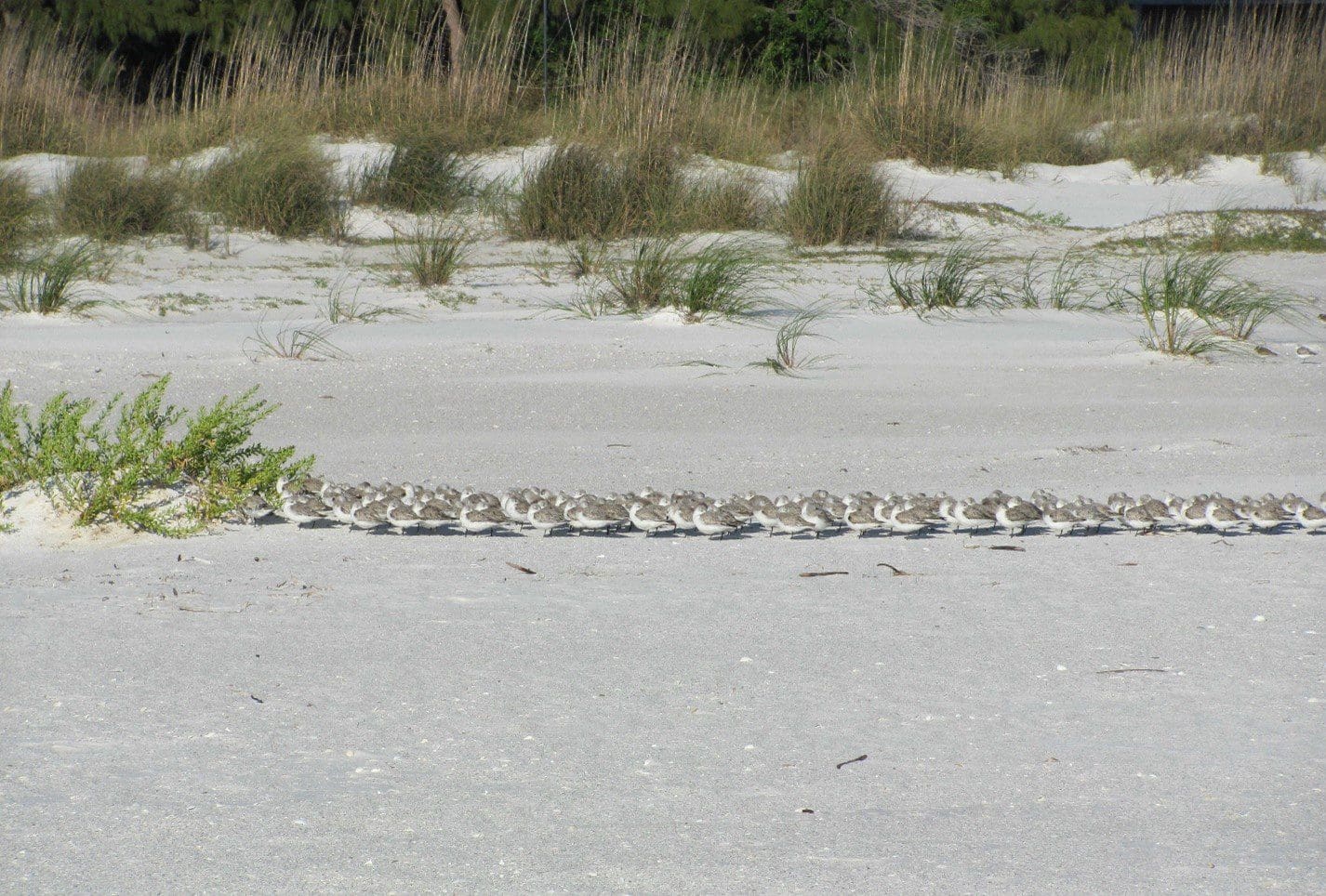
Third Place
Portfolio Photography
2011


CORTEZ – Coyote activists, cat lovers, bird advocates and residents grieving over pets killed by coyotes occasionally bared their teeth at each other last week at an educational workshop on how to live with wild coyotes.
The diverse group questioned state wildlife officers, Manatee County sheriff’s deputies, county animal services and natural resources officers, county commissioners and wildlife advocates about coyotes in Cortez.
Second Place
Environmental Conservation
2010
Before it ended, coyotes were blamed for killing dogs, cats, small wildlife and turtle eggs, feral and pet cats were accused of killing birds and small wildlife, dogs were accused of attacking humans more than coyotes do, coyotes and cats were praised for killing rodents and people were threatening to hunt and kill coyotes.
Cortez resident Linda Molto, who organized the meeting, wore a tag with the names of her two cats, which she said are among dozens of Cortez pets killed by coyotes in the past six weeks. Another resident described her dog being attacked two days before the meeting by a coyote that leaped from in between two parked cars.
The best way to protect pets is to keep them indoors, leash them when they’re outside, avoid leaving food and water outside, keep outdoor garbage sealed and never feed coyotes, according to Lisa Hickey, a naturalist instructor with the Manatee County Department of Agriculture and Resource Conservation. Fencing is not effective at night, but may provide some daytime protection for pets that are outdoors for short periods if it is 5-6 feet high and buried at least 6-8 inches deep.
If approached by a coyote, yell and wave your arms, throw rocks and pick up small pets, she said, suggesting carrying a stick or golf club on dog walks, especially at dawn or dusk or near water.
The techniques worked for residents in northwest Bradenton near Robinson Preserve two years ago when coyotes were killing pets there, she said.
Residents speculated whether those coyotes had left the area and traveled to Cortez, or whether they are coming from the Manatee Fruit Co. flower farm or the recently-cleared FISH Preserve, both nearby.
Ken Hawkins of Manatee Fruit Co. said he has only seen three coyotes on the property. Hickey said that removing plants from the FISH Preserve is not likely the cause of coyote activity; it’s more likely that increased development has boxed the animals in, she said.
No statistics on local coyote populations are available.
Cortez resident Jane von Hahmann suggested that residents keep a list of when, where and how many coyotes they see, and leave the information at the Florida Maritime Museum at Cortez at 119th Street West and Cortez Road to start a database.
Fortunately, Hickey said, no human fatalities from coyotes have been recorded in Florida, and people are more likely to be attacked by a dog than a coyote, but adults and children have been killed by coyotes elsewhere.
Molto inquired whether a license would be needed to hunt coyotes on the FISH Preserve, which borders homes and Cortez Road.
Coyotes are fair game all year around with a hunting license, Florida Fish and Wildlife Conservation Commission Lt. Tom Ware said, warning that anyone using a firearm is responsible for where the bullets land.
The state will not trap and remove coyotes, Ware said, adding that most trappers will not handle coyotes because they can carry rabies, they can be vicious when cornered, and, by state law, they must be euthanized after capture.
Hunting or trapping coyotes only causes population increases, according to Project Coyote’s Becky Bailey Pomponio, who implored residents not to kill the animals.
But coyotes also kill small wildlife, such as raccoons, which are disappearing from Cortez, pet owners said, prompting Damen Hurd, who leads tours at Mixon Fruit Farms, to say that feral cats do as much damage to small wildlife as coyotes.
Cats also keep down rodent populations, Molto said.
Coyotes also eats rodents, Hickey said.
Nancy Dean of the Manatee County Audubon Society said feral and domestic cats have caused the extinction of 33 species of birds.
“Cats are supposed to be on a leash,” she said. “And 43 percent let their pet cats out,” attracting coyotes in the process.
“The problem is that people are leaving their cats outside,” agreed Gail Straight with Wildlife Inc. Education and Rehabilitation in Bradenton Beach.
According to the county’s animal ordinance, dogs and cats are not allowed to be “at large,” or outside unsupervised, either on public property or on private property without the property owner’s consent, according to Joel Richmond, officer supervisor for Manatee County Animal Services, which handles domestic animals, but not wildlife. If cats are outside unsupervised on their owner’s property or have permission to be on a neighbor’s property, they must have a license tag and microchip, tattoo or ear tip, and also must be sterilized, he said.
Owners or handlers must have direct control of dogs and cats at all times, such as on a leash or inside a fence, he said.
While no coyotes have been reported on Anna Maria Island, coyotes can swim and cross bridges, said Ware, adding that he once saw a coyote walking on the Sunshine Skyway bridge spanning Tampa Bay. They are known to prey on sea turtle eggs in Florida’s Panhandle, Hickey said.
To report coyote problems, call the Wildlife Alert hotline at 888-404-FWCC (3922).
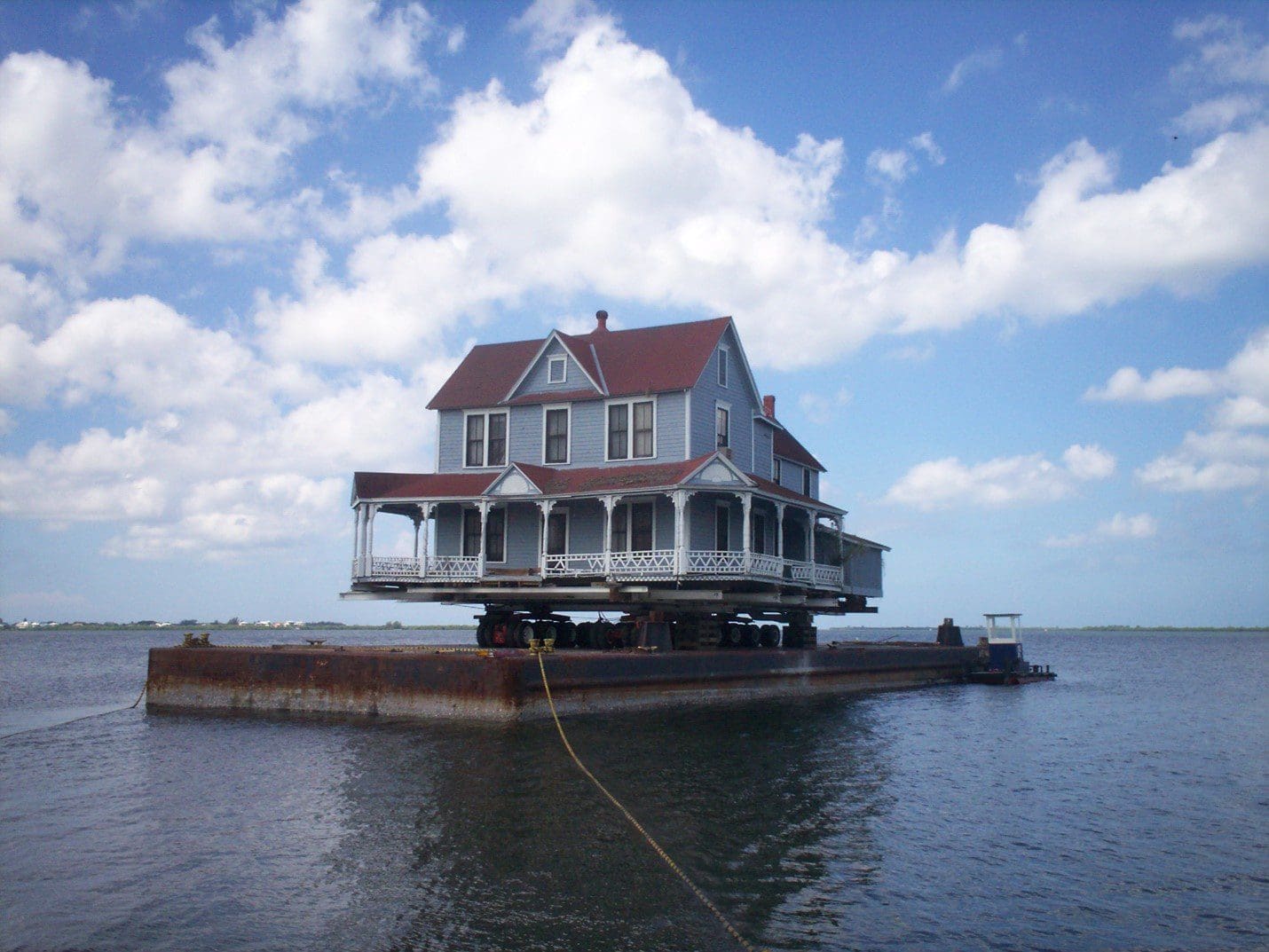
Second Place
Portfolio Photography
Robert J. Ellison Memorial Award
2010
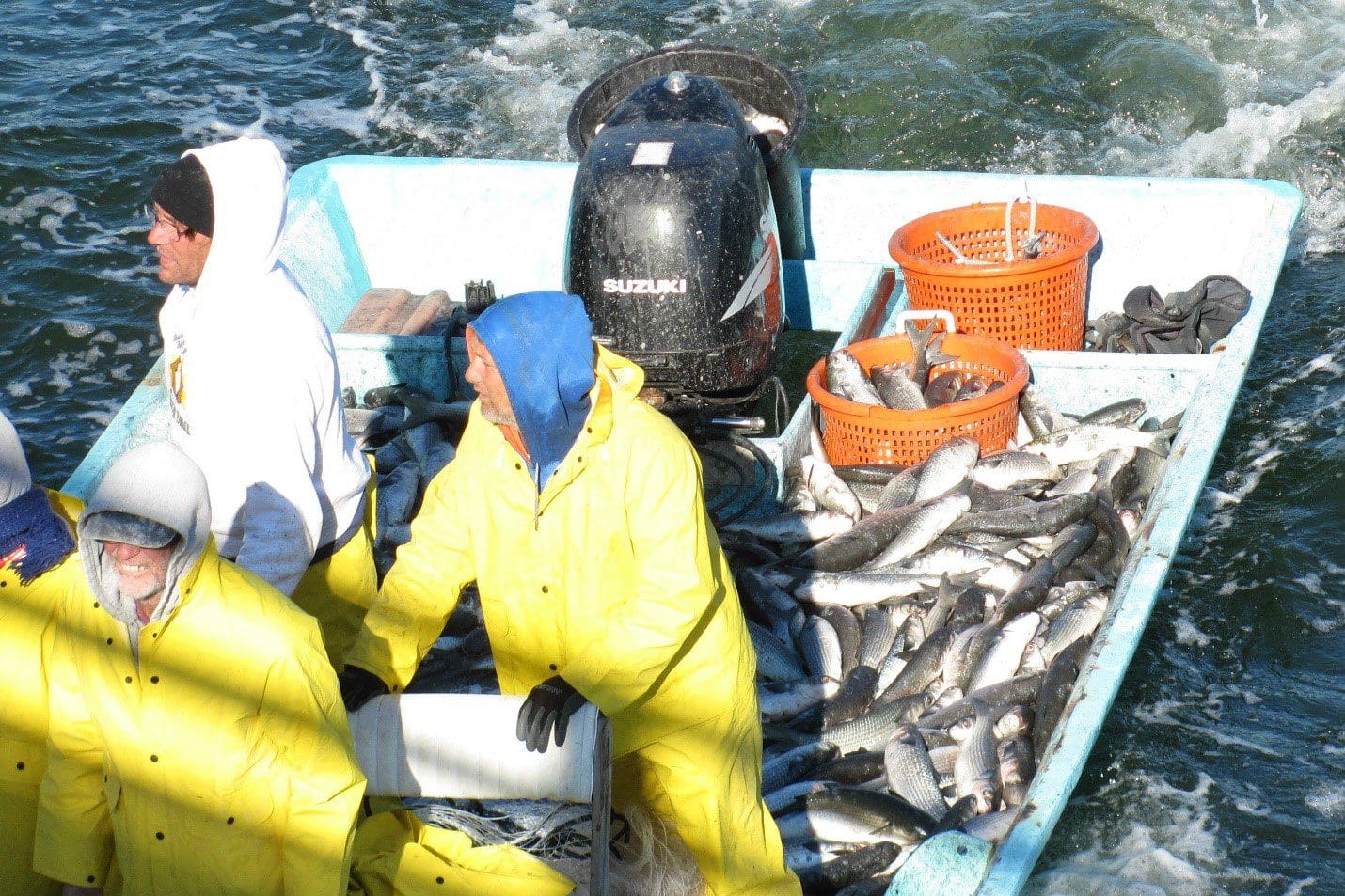
Mullet magic as seasonal run begins - Cindy Lane | Sun

Restored Valentine house a historic treasure - Cindy Lane | Sun
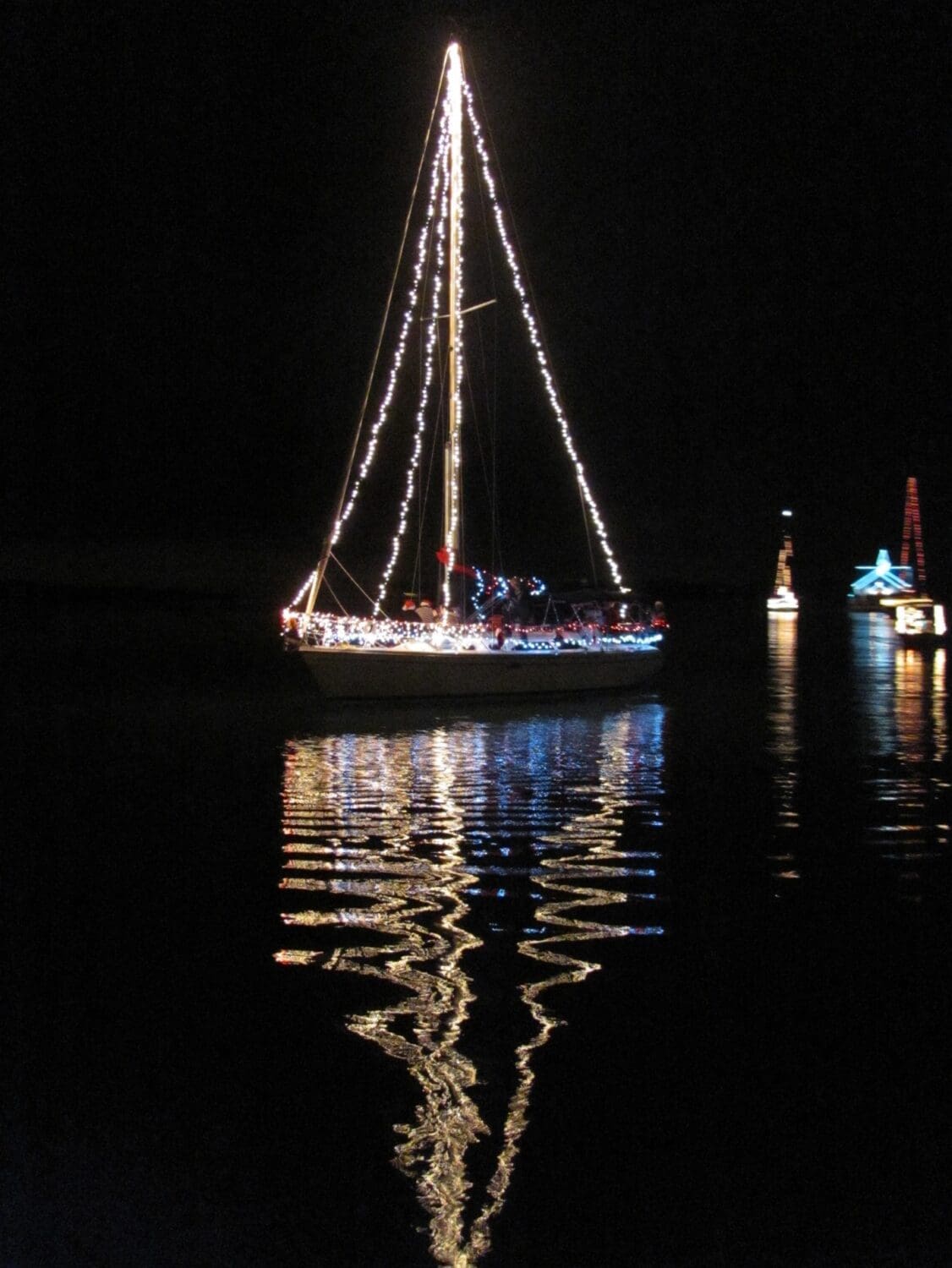
Waterway holiday - Cindy Lane | Sun
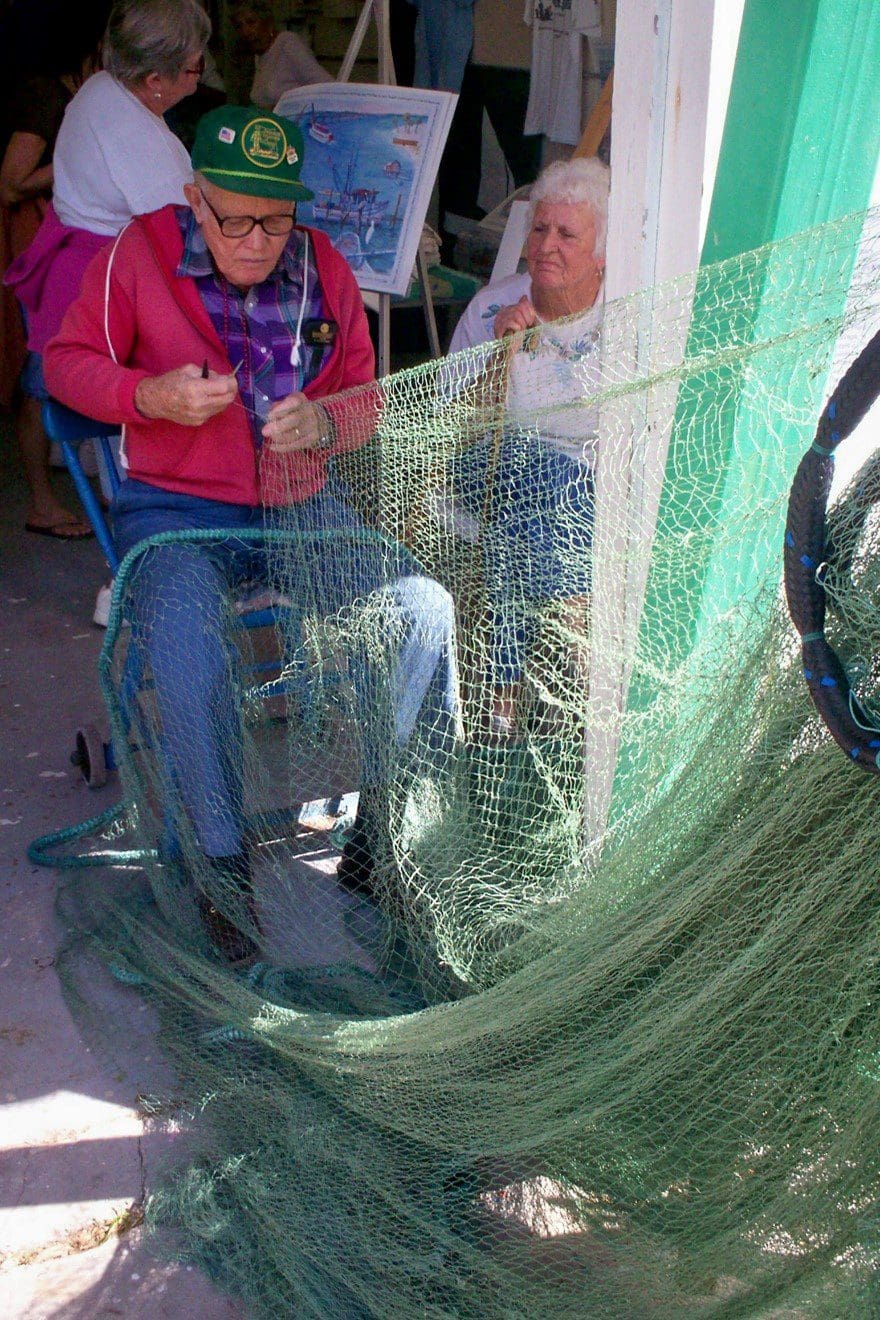
Cortez Commercial Fishing Festival, Blue and Wanda Fulford - Cindy Lane | Sun

Oil spill impacts local tourism - Cindy Lane | Sun

HOLMES BEACH – Her favorite holiday, Halloween, has just passed, and Election Day, Nov. 4, marks two years since anyone has reported seeing Haley’s Motel co-owner Sabine Musil-Buehler.
Her disappearance remains a mystery to law enforcement officials. In the interest of jogging memories and consciences that may hold clues, the Anna Maria Island Sun presents this abridged version of her story from previous editions.
Second Place
News Story
Gwen Stevenson Memorial Award
2010
October, 2004

“We know how much the Islanders and guests loved all the things Tom (Buehler) and I here at Haley’s Motel did in the past, and we hate not being able to provide that for you anymore. We will try to keep Haley’s Motel going as a small business as long as possible.” – Sabine Musil-Buehler, canceling the motel’s annual Halloween attraction, “Haley’s Haunted Garden,” due to the high cost of property taxes on the business at 8104 Gulf Drive in Holmes Beach.
Week of Nov. 10, 2005

“If you don’t do anything, Haley’s Motel is done by the end of next year.” – Musil-Buehler to the Manatee County Commission, citing a 27 percent property tax increase in 2003, a 63 percent increase in 2004 and a 55 percent increase in 2005.
Jan. 4, 2006
William Cumber, who later meets and lives with Musil-Buehler, pleads guilty to felony arson of the Manatee County home of a woman he said had scorned him. He is sentenced to 42 months in prison.
Oct. 9, 2006
“We are drowning, we are at the end.” – Musil-Buehler, asking Manatee County officials for a property tax deferral.
September, 2008
Musil-Buehler and Buehler elect her as Haley’s corporate president and secretary and elect him as vice president and treasurer.
Sept. 13, 2008
Cumber is released early from the Florida Dept. of Corrections on probation. He moves in with Musil-Buehler, now estranged from her husband.
Nov. 4, 2008
Musil-Buehler, 49, is last seen by Cumber, 39, at their home at 208-B Magnolia Ave. in Anna Maria.
Cumber later tells The Sun that they argued over his cigarette smoking and she drank a bottle of wine, then left in her car.
“She normally doesn’t drive after one freaking glass. I kind of feel responsible because if I wouldn’t have been smoking…” – William Cumber.
Cumber tells The Sun that he thought she was headed for Buehler’s home. He says he wishes he could relive the night of her disappearance.
“I wouldn’t have stepped outside and smoked a cigarette. I know that sounds unbelievable, but that’s what happened. If I could change it, I would, but I can’t. I have no control over what anybody else does. I can only control what I do. That’s the bottom line. I ain’t got nothing to do with whatever happened.” – William Cumber.
Nov. 6, 2008
Musil-Buehler’s Pontiac Sunfire convertible, driven by Robert Corona, 38, is pulled over near 12th Street West in Bradenton. He is arrested for grand theft auto and tells investigators that she had been partying in the car with him. He later recants, telling authorities that he took the parked car from the Gator Lounge on 14th Street West in Bradenton after seeing that the window was open and the keys were inside.
Buehler reports Musil-Buehler missing.
Nov. 10, 2008
Manatee County Sheriff’s Office detectives report that blood is found in Musil-Buehler’s car.
Nov. 13, 2008
Island business owner Nancy House and her friend, Janean Martin, see a woman who looks like Musil-Buehler at the Sarasota-Bradenton International Airport, and hear her speaking German, as Musil-Buehler did. They do not report it until Nov. 18, after they return from a cruise because “There was not time,” House says.
Nov. 16, 2008
Sage Hall of Star Fruit Productions videotapes a wedding at Roser Church and a reception at the Sandbar Restaurant in Anna Maria that Musil-Buehler helped plan. At the reception, around 7 p.m., Hall and Buehler smell fire.
Fire trucks are dispatched at 7:19 p.m. to a blaze that destroys the Haley’s Motel duplex, and the motel’s legal documents.
Between 7:30 and 7:40 p.m., Cumber is seen by a restaurant worker at the Anna Maria City Pier, a few blocks from the fire.
Law enforcement officers interview Cumber at the home he shares with Musil-Buehler, but do not arrest him.
Nov. 17, 2008
A joint investigation begins among the Holmes Beach Police Department, the West Manatee Fire Rescue District and State Fire Marshal’s Office. Arson dog “Lucky” investigates the Haley’s fire scene with no results.
Attempts by The Sun to reach Musil-Buehler on her cell phone are chilling – her outgoing message, in her voice, instructs callers that she will return their calls within 15 minutes.
Nov. 18, 2008
Nancy House reports having seen Musil-Buehler at the Sarasota-Bradenton International Airport on Nov. 13.
“As much as everyone wants to speculate that she just left town, I don’t believe anyone saw her at the airport. If she knew her, why did she not say to security, ‘That’s Sabine?’ ” – Musil-Buehler’s friend Debbie Hall.
Week of Nov. 18, 2008
Hall receives a call from a psychic who says Musil-Buehler is in a building with a linoleum floor near 14th Street West in Bradenton, near where her car was found. Hall searches for the building, finds one that fits the description and calls police. Nothing is found.
“My original gut feeling is that something terrible has happened to her. I don’t think she’s still with us.” – Debbie Hall.
“She was not at the airport, that’s crazy.” – Tom Buehler.
Nov. 20, 2008
The Manatee County Sheriff’s Office reports no sign of Musil-Buehler on airport video security tape.
Nov. 26, 2008
The sheriff’s office confirms that laboratory blood test results from Musil-Buehler’s stolen car are completed, but does not disclose results pending an arrest.
Week of Dec. 6, 2008
Cumber tells The Sun that he misses Musil-Buehler and has no idea where she is. He accuses Buehler of trying to “set him up” by bringing up his previous arson conviction. He denies reports that he was angry over Musil-Buehler refusing to give him money.
“I’m going through a crisis right now. I’m pretty much homeless. I’m job hunting. It’s not like I’m out there, robbing or something, I’m just doing the best I can.
It’s just hard. I ain’t out here doing drugs. It blows me away. There ain’t a day that doesn’t go by that I don’t think about it. It’s not fair. It’s not fair that she’s gone. Where is she?” – William Cumber.
Dec. 10, 2008
Police comb the neighborhood around Haley’s, asking neighbors in vain if they can identify a man in a photograph taken the night of the fire. The white male, crouched near a vehicle smoking a cigarette, wears a baseball cap and a hoodie sweatshirt.
Dec. 13, 2008
Fire and police investigators search again through the wreckage of Haley’s duplex, with no results.
Dec. 19, 2008
As fire investigators continue to search the rubble, Buehler tells The Sun that he plans to build a new, three-story building on the site for weddings, family reunions and parties by June 1.
“We’re moving back in a positive direction. It’s a good feeling. It will be nice to get the mess out of the way. I wish we could put some closure on Sabine. That’s the main thing.” – Tom Buehler.
Dec. 22, 2008
Cumber is arrested in Marion County for driving with a suspended license. He is charged with leaving Manatee County without his probation officer’s consent and failing to remain at liberty without violating the law.
Dec. 23, 2008
Two cadaver-sniffing dogs search the beach in Anna Maria without results. A woman tells The Sun that she saw Musil-Buehler’s car illegally parked overnight near the site around the time of her disappearance.
Week of Jan. 19, 2009
Cumber denies violating his probation and demands a hearing.
May 4, 2009
Six months after Musil-Buehler disappears, “It’s more of nothing.” – Tom Buehler.
“Because nothing has happened, that’s what makes me still have hope. It’s a horrible tragedy. But we still don’t know that it is a tragedy.” – Nancy House.
May 10, 2009
Cumber admits in court that he violated his probation.
“I was running because I had no future. Bradenton was dead to me. I made better choices in my time. That wasn’t one of them.” – William Cumber.
Assistant State Attorney Tony Casoria tells the court that Cumber has 10 prior criminal convictions, four of them felonies, including battery.
Cumber’s attorney, Thomas Ostrander, says the prosecutor is treating Cumber as though he were charged with Musil-Buehler’s disappearance and the Haley’s fire.
“The court is not finding you were absconding, but that’s what the evidence tends to show.” – Manatee Circuit Judge Gilbert Smith, who sentences Cumber to 13.5 years, less 3.5 years he spent in prison for the 2006 arson.
“I’m ecstatic. But I’m still a little frustrated. I’m glad he’s in jail. I just hope one day we find out what happened.” – Debbie Hall.
Aug. 10, 2009

Corona pleads no contest to stealing Musil-Buehler’s car, telling the court that he had nothing to do with her disappearance.
Sept. 3, 2009
Buehler seeks to have Musil-Buehler declared legally dead, which would allow him to collect on a $300,000 life insurance policy and settle his ownership of Haley’s Motel without waiting the five years required in a missing persons case.
Oct. 31, 2009
Buehler holds a private memorial service at the Holmes Beach Butterfly Park on Halloween, one of Musil-Buehler’s favorite holidays.
Nov. 4, 2009
A year after Musil-Buehler’s disappearance, Cumber is in jail for a probation violation and Corona is in jail for grand theft of her car, neither charged with any personal crime against her.
“There’s nothing more frustrating for an investigator than to have a case hanging. We need to find the body.” – Dave Bristow, Manatee County Sheriff’s Office spokesman.
Hall organizes a candlelight vigil marking the anniversary on the beach behind the Sandbar restaurant at sunset.
Dec. 1, 2009
BankUnited FSB files a foreclosure suit against Musil-Buehler, Buehler and others, claiming they owe $588,102 on their home at 512 72nd St. in Holmes Beach.
Investigators use radar to search an Anna Maria beach with no results.
Week of Feb. 10, 2010
Buehler requests relief from foreclosure, claiming the bank refused to work with him on a loan modification he requested due to the hardship caused by Musil-Buehler’s disappearance and the Haley’s duplex fire.
Feb. 17, 2010
Manatee Circuit Court Judge Edward Nicholas issues a declaratory judgment that Buehler is a corporate officer of Haley’s and has legal authority to act on behalf of the corporation, enabling him to collect property insurance proceeds and continue with plans to rebuild the burned-out Haley’s duplex.
Oct. 12, 2010
The Florida Second District Court of Appeal affirms Cumber’s 2009 conviction for violating his probation. His sentence ends in 2019.
Oct. 27, 2010
“We still think of her. Every time you hear about a body being found you wonder if it’s her.” – Debbie Hall, who is planning a memorial on the beach at the Sandbar restaurant at sunset with Musil-Buehler’s friends.
“She’s still in our thoughts. I keep hoping just one little piece of information will tie something together so that they can figure out what happened.” – Sage Hall, who plans to produce a tribute video of Musil-Buehler.
“She’s always in my thoughts, especially when I drive by the Gator bar. She was never there.” – Nancy House.
Nov. 1, 2010
The Manatee County Sheriff’s Office is still actively investigating the case, but will not release details, according to spokesman Dave Bristow, adding that Cumber remains the primary suspect. He requests that tips be called in to 747-3011 or CrimeStoppers at 866-634-TIPS (8477).
Rewards remain offered by the Sabine Buehler Benefit Fund at Whitney Bank, 5324 Gulf Drive in Holmes Beach and the Manatee County Gold Star Club.
Nov. 4, 2010
Musil-Buehler’s telephone number has been disconnected.
Two years after her disappearance, she remains missing.

CORTEZ – Like the mangroves that line local shorelines, Manatee County’s historic roots are in the water, and the Florida Maritime Museum at Cortez is bringing two chapters of local history to life, in wood.
Wooden boats were integral in the landing of Spanish explorer Hernando de Soto in 1539 in west Bradenton and in the escape of Confederate Secretary of State Judah P. Benjamin from the Union in 1865 in east Manatee County.
Volunteers at the museum have completed one handcrafted replica, already an award-winner, and have plans for the other.
Second Place
Community History
2010
At the re-enactment of Hernando de Soto’s landing during the 71st De Soto Heritage Festival at Bradenton’s De Soto National Memorial this April, the Spanish longboat stole the show.
With seats for six oarsmen, longboats were used as exploration vessels to scout passages for their larger galleons, which need deep water, and to transport passengers and cargo to and from shore, said Jorge Acevedo, chief of interpretation at De Soto National Memorial.
De Soto’s galleon, “San Cristobal,” stayed at anchor at Bahia Espiritu Sancto (Holy Ghost Bay), now Tampa Bay, in May 1539, while the longboat actually made the landing at Shaw’s Point in northwest Bradenton.
While the original longboat was unlikely to have a name, the replica was christened “Ana Mendez” after a young girl who disguised herself as boy so that she could join the expedition, which she – unlike Hernando de Soto – survived.

“Ana Mendez” won the People’s Choice Best in Show award and first place in Traditional Design/Contemporary Construction earlier this month at the Mid-Atlantic Small Craft Festival at the Chesapeake Bay Maritime Museum in St. Michaels, Md
The 25-foot boat’s design dates to the 16th century, and was adapted by Florida Maritime Museum at Cortez director Roger Allen and master boatbuilder Bob Pitt for construction in “Cortez teak” (pine), cypress, buttonwood, oakum (an African wood) and Spanish cedar, once used to make cigar boxes.
St. Petersburg artist Herman Trappman researched the longboat to make drawings for the park’s Junior Ranger book, which gave the designers a good idea of its appearance, Acevedo said.
A partnership was established between the Florida Maritime Museum at Cortez and the National Park Service and volunteers for both organizations to build the longboat for the annual landing re-enactment, in which it ferries a “priest” and “conquistadors” ashore from the galleon, he said.
The “Ana Mendez” will be on display at the park beginning Dec. 11.

Judah Philip Benjamin attended Yale University at age 14 and became a lawyer, Louisiana sugar cane plantation owner and Secretary of the Confederacy during the Civil War.
He also helped establish the Illinois Central Railroad and declined two nominations to the U.S. Supreme Court while serving as the second Jewish U.S. Senator in the country’s history.
He resigned from the Senate when Louisiana seceded from the Union to serve as attorney general, secretary of war and secretary of state to Jefferson Davis, president of the Confederacy.
Just before the South fell with the surrender of Gen. Robert E. Lee in Virginia in 1865, Benjamin fled to Florida disguised as a French journalist, an easy feat, as he spoke fluent French.
With a $40,000 reward on his head, he hid at the Gamble Plantation in Ellenton in east Manatee County, the home of Archibald McNeill, the Confederacy’s deputy commissary for Manatee.
After narrowly eluding Union troops in the woods behind the mansion, Benjamin escaped by boat on the Manatee River to the nearby home of Capt. Frederick Tresca, who, with Hiram McLeod, helped him flee to Sarasota.
McCloud described the boat as a 16-foot ship’s yawl, said Pitt, who is awaiting funding to build the replica at the museum.
From Sarasota, another boat took Benjamin to the Florida Keys, where he boarded a boat known as “Blonde” headed for Bimini, outside the Union’s jurisdiction, then a native boat to Nassau, Bahamas, he said.
Benjamin’s escape route also included Havana, Cuba; St. Thomas, British Virgin Islands (his birthplace), and, eventually, London, where he became a respected barrister. He is buried at Pere Lachaise cemetery in Paris.
The Daughters of the Confederacy purchased the Gamble Plantation and donated it to the state as a memorial to Benjamin. It is now a state park.

A surfing tradition started by Anna Maria Island native twins Rich and Phil Salick will celebrate its 25th anniversary on Labor Day weekend when the air horn blows at the National Kidney Foundation Pro-Am Surf Festival in Cocoa Beach.
Two other Island native siblings, Giorgio and Izzi Gomez, grandchildren of Jim and Ronee Brady of the West Coast Surf Shop in Holmes Beach, will compete in the contest, which has drawn 100,000 spectators in the past.
Another sibling pair and their bandmates – the Island Rockers – will perform at the festival; Lexi Achor, 14, and Abbey Achor, 9, sing and play bass with drummer Ethan Bertrand, 9 and guitarist Brandon Mills, 10, nephew of the Salicks and a local skimboard champion.
Second Place
Outdoor Writing
2010
This is the first road trip for the Island Rockers, three of whom attend Anna Maria Elementary School. Besides standards such as “Sweet Home Chicago” and “Johnny B. Goode,” they have some original songs under their belts, and far from being nervous, they are stoked.
“I’m used to playing in front of people,” said Bertrand, including the recent Anna Maria Bayfest. Led by Island music instructor Scott Achor, the band won an online talent contest based on votes for their performance at the Gulf Coast Talent and Film Expo in Palmetto last year, and also won first place in the 2009 Anna Maria Island Community Center talent show.
Waves of compassion
Surfer Rich Salick is no stranger to awards, either, as a member of the USA Martial Arts Black Belt Hall of Fame and the Surfing Hall of Fame.
He had qualified for the world championships as a member of the World Surfing Team in 1973 when he was stricken with kidney disease. His brother, Phil, also a Surfing Hall of Fame member, donated one of his kidneys, enabling Rich to return to surfing with the permission of one of his doctors, Dr. Robert Cade, the inventor of Gatorade.
Salick’s comeback as a pro surfer garnered him a first place trophy and recognition as the first athlete ever to return to his sport at the professional level after a kidney transplant.
The brothers started the surfing contest to raise funds for local dialysis patients, a shop-versus-shop competition between the Cocoa Beach businesses Ocean Avenue Shop and Salick Surfboards, where Rich built surfing legend Kelly Slater’s first surfboard for the 8-year-old grom.
The first Florida Team Invitational tournament raised $125. The contest rose to the next level when Dr. C. Craig Tisher of the National Kidney Foundation heard about the Salicks and suggested a national event.
Last year, that event raised more than $140,000 for the National Kidney Foundation; to date, it has raised more than $4 million.
Rich has had two more kidney transplants since the first one, from his older brother, Channing, and his younger brother, Wilson, and also is battling leiomyosarcoma, a form of cancer. He continues to work for transplant and dialysis patients as Director of Community Relations for the National Kidney Foundation of Florida.
The 25th Annual NKF Surf Festival has grown into the largest charity surfing competition in the world, increasing awareness of kidney disease with an emphasis on prevention and support for organ donation and transplantation.
Since the oil disaster that began on April 20, people are coming to the beach who haven’t popped open an umbrella in months. Regular beachgoers are squeezing more trips into busy weeks. Diehards stay longer in the 100-plus heat index temperatures of the first days of summer, reluctant to end their beach day.
Everyone wants to enjoy the unburied treasure, packing years worth of thinking “I’ll go to the beach next week” into a few short days, just in case the oil spoils it.
Watching a pelican dive into the shallows for a snack is more delightful after seeing its oil-soaked Louisiana cousin struggling in thick, gooey oil.
First Place
Serious Column
Sally Latham Memorial Award
2010
Seeing a dolphin or a manatee peek from the sparkling water once is no longer enough; we linger longer to wait and watch for the next sighting, and the next.
A sea turtle’s tracks are now a mandatory side trip on a brisk shoreline walk, even if the tiny hatchlings will be swimming into an uncertain future.
We marvel at the sun, gazing at its own reflection as it pulls the water up over itself every night in front of the paparazzi on the beach.
Underwater, creatures are coming close to the shoreline, too.
Since April 20, this columnist, raised on Sea Hunt and Jacques Cousteau, has spotted one spotted eagle ray, three barracuda, whole colleges of tarpon and an unidentified long-snouted turtle off Bradenton Beach in knee-deep water, and warned swimmers away from a sailboard-length shark – 10-12 feet long – that they mistook for a manatee in waist-deep water in broad daylight, all fairly unusual.
On June 16, Manatee County lifeguard Colin Schmidt saw a 15-foot hammerhead shark off White Avenue, also somewhat uncommon.
Could they be running from the oil?
“Yes, it is possible that the oil and/or microbial degradation of the oil that is depleting oxygen from the water could be driving marine life,” said Dr. Richard H. Pierce, senior scientist and director of the Center for Ecotoxicology at Mote Marine Laboratory. “We need much more specific evidence to know for sure.”
Of course, that takes money, and no funding is available for that study, he said; the lab’s current priority is to keep its oil-seeking robots in business.
Still, Mote’s Shark Research Center Director, Dr. Robert Hueter, is compiling strange marine life sightings, including 10 whale sharks spotted off Sarasota last week, a rarity.
“People who have lived here 30 years have never seen anything like this. Usually whale sharks come to our waters transiently in ones and twos. This time we had 10 and we stayed with them for four hours,” he said. “We don’t know that the spill is pushing large animals into our waters, but this unusual grouping of whale sharks suggests that we should consider that hypothesis.”
It doesn’t take a scientist to realize that something strange is happening at the beach.
But something else is happening too, one of the few good things to come from the Deepwater Horizon.
The looming threat of the spreading oil spill is making us appreciate the treasures of Anna Maria Island, not just in tourism dollars, but in sand dollars, the currency of our Gulf.

BRADENTON – The map says it all.
A jaw-dropping 200 acres east of the Robinson Preserve in northwest Bradenton could become one of two things.
It could become a golf course, as planned.
Or it could become the front yard of Eden.
Third Place
Editorial
2010
With the loss of two golf courses in recent years in northwest Bradenton – Palma Sola and Village Green – property owner Bill Robinson has a good argument that the area needs a new course, an argument that persuaded Manatee County to permit a golf course there.
But in July, 2008, when Robinson Preserve was opened, Robinson told applauding spectators that the reason he sold his farmland to Manatee County (and knocked $6.4 million off his price) is because he had come to the realization that once a place is developed, it’s gone for good.
Golf courses are great recreational opportunities, getting people out into nature – although a highly idealized version of it – for four hours at a stretch and forcing them to get at least a little walking in (more so without the cart).
But the fertilizers, pesticides and high water use that golf courses require don’t belong next to the wetlands of Robinson Preserve, newly restored and enhanced to increase circulation among several surrounding bodies of water, including the mouth of the Manatee River and Tampa Bay on one side and Palma Sola Bay on the other side.
How much better would it be to really, truly preserve the “Old Florida” that everyone always says they love, just before they come in with the bulldozers and trim down the mangroves, turn the bays brown with runoff, suffocate the nursery fish, relocate the gopher tortoises, uproot the pine trees and try to plant the place to make it look like a Hawaii travel brochure.
Hands down, Eden wins.

CORTEZ – As fishermen from nearby states pull into town with their boats in tow for the annual battle over lucrative mullet roe, Cortez fishermen are reminded of the war they lost 15 years ago this week.
When Floridians voted to amend the state Constitution to ban gill nets in 1994, their aim may have been to save dolphins and sea turtles, but their target turned out to be commercial fishermen and their families who lost their livelihoods.
Third Place
Investigative Reporting
2009
The net ban was proposed by environmental and recreational fishing lobbyists whose scientists testified that mullet were being overfished. The proposal won support with the slogan, “Ban the Nets – Save Our Sealife,” and photographs of dolphins and sea turtles drowned in commercial gill nets.
Caught on the underfinanced end of the political tug of war, commercial fishermen tried to adapt. Some went into bait fishing or crabbing. Some went into dockbuilding or beach maintenance. Some graduated from smoking pot to smoking heroin.
None were left with their lives intact.
And some Cortezians fear they are seeing it happen all over again.
“It’s hard to dredge it all up,” said Cortez fisherman Thomas “Blue” Fulford, who lost his leg in a fishing accident, and his livelihood when the net ban was passed in 1994.
Now he makes cast nets, which are still allowed. On his business card, he calls himself a “dispossessed net fisherman.”

“I did everything that could be done. Wrote everyone. The Cabinet, the House and the Senate,” he recalled, as a mullet jumped in the canal behind his workshop. “I got one answer, from Secretary of State Jim Smith, who wrote that it was six months before the vote, and I should get to work.”
So Fulford, the former director of the local chapter of the Organized Fishermen of Florida (OFF), went to work, as did his successor, Mark Taylor.
Taylor got flak from both sides, as he explained to friends and family in Cortez that the amendment that would ban their nets was based on hotly-debated evidence that there weren’t enough mullet to go around.
He also explained to a hostile Legislature, many of whom listed recreational fishing as a favorite sport in the 1994 Legislative directory, why the net ban would take food out of the mouths of Cortez residents and everyone else down the economic food chain, to no avail.
Commercial fishermen were an easy target because their activities are obvious and more easily regulated than nitrogen-polluted runoff, mangrove destruction and other causes of fishery declines, Fulford said.
“How many people are willing to stop using plastic bags?” he asked. “Plastic bags kill turtles, too.”
Riding back and forth to Tallahassee, Fulford saw new developments springing up and recalls thinking that Florida newcomers who didn’t know anything about commercial fishing were going to make the decision.
“They swallowed the propaganda, hook, line and sinker,” he said.
Most voters were uninformed, agreed Karen Bell, office manager of the 70-year-old A.P. Bell Fish Co., one of two Cortez fish houses that survived the net ban.
Three months after the November, 1994 vote, she got a call from a recreational fisherman announcing that the fishing was already markedly better.
“The ban didn’t go into effect until July 1 (1995),” she said.
The bad blood between recreational and commercial fishermen goes back to the 1960s, when anyone could sell fish to a fish house, said Cortez fisherman Mark Ibasfalean, who has been selling fish since he was about 12 years old.
“I remember long lines of people at Bell’s, both recreational and commercial,” he said.
After regulations were passed requiring a commercial license to sell fish, recreational anglers were cut out of the loop, he said. Years of finger-pointing over which sector was responsible for overfishing certain species and using bad fishing practices made for constant skirmishes.
By the 1990s, the recreational fishing lobby had found common ground with environmentalists concerned about bycatch – non-targeted species that wound up in gill nets – and funded the successful net ban campaign.
To stay on the water, some commercial fishermen reluctantly switched sides to work in the recreational sector, as fishing guides or tour boat captains.
After all these years, Kathe Fannon is still angry.

A member of a five-generation commercial fishing family, she now offers boat tours around Cortez and Anna Maria Island. Her customers learn about Cortez, its fishing heritage, its wildlife, its rising status as a film location, and her take on the net ban.
“The Bible says ‘Cast your net on the waters,’ ” she said. “It does not say cast your rod and reel.”
With gill nets outlawed, some Cortez fishermen turned to longline fishing. Instead of catching fish in a net, they lay out five to 10 miles of line on the sea bed, baited with between 750 and 1,200 hooks, normally reeling it in before any sea turtles that may have been snagged can drown.
One fisherman who left a line out too long earlier this year and killed five sea turtles prompted a federal lawsuit under the Endangered Species Act and an emergency longline ban that began in May, putting fishermen out of work.
The ban was softened last month with an interim rule allowing longline fishing in water 35 fathoms or more with 750 rigged hooks until a permanent rule is implemented next spring. Local fishermen say the rule helps little since they harvest most fish between 20 and 30 fathoms.
Recent debates on the longline ban at hearings of the Gulf of Mexico Fishery Management Council evoke hearings in the early 1990s over the net ban.
Proponents of both the net ban and the longline ban include environmentalists and recreational fishermen. While the citizens of Florida made the net ban decision and regional and federal fisheries regulators are making the longline ban decision, the evidentiary process has been similar.
At public hearings, scientists with doctoral degrees speak in highly technical terms, debating the effect of the gear on marine life, both targeted species and bycatch.
Fishermen often can’t put their experience into words, and feel out of their depth, Ibasfalean said.
“I’m not calling anybody dumb, but a fisherman is not designed to understand highly technical stuff,” he said. “They’re farmers. They’re not scientists.”
During the net ban hearings, scientists and fishermen debated in their different languages whether gill nets were catching too many mullet, making it difficult for the species to propagate.
Fishermen argued that it was in their best interests to avoid overfishing.
“We have to be good stewards,” Fulford said, echoing testimony at several longline hearings this year when fishermen disputed statistics of turtle mortality, saying they had seldom, if ever, caught and killed turtles.
During longline hearings, fishermen pointed to other man-made causes of sea turtle mortality, including nest poaching and illegal artificial lighting, which can kill 100 turtles at a time in a single nest, channel dredging machines that suck up turtles and spit them out in pieces, recreational fishing bycatch, offshore racing collisions, oil spills, coastal development and pollution, beach renourishment and other factors.
Pleading for a lifeline, they asked for alternatives, including gear adjustments, such as shortening the length of the lines, reducing the number of hooks on the lines and banning bait that sea turtles prefer.
They suggested that turtle farming and better enforcement of land-based turtle laws could replenish natural stocks.
They also requested a gear buyback program, which helped a few fishermen who acted quickly after the net ban to cut their losses before the funds ran out.
The final decision, expected in spring, will likely limit longline endorsements to 61 commercial vessels in the Gulf using 750 hooks in 35 fathoms or more during June, July and August, and in 20 fathoms or more the rest of the year, said Glen Brooks of the Gulf Fisherman’s Association, who owns six longline boats in Cortez.
That’s not enough to keep the industry in business, according to Brooks, who paints a grim picture of the ban’s ripple effect on the local economy.
Unemployed grouper fishermen don’t use bait, so bait fishermen go unemployed, making bait shops flounder. Marinas don’t sell as much ice or diesel fuel. With fewer fish to process, fish houses lay off workers. Truckers who transport fish to other parts of the state are idled.
And, ultimately, consumers see less local fish in markets and on restaurant menus.
“The longline ban is already having the same consequences as the net ban,” Ibasfalean said.
Designed to avoid a “jeopardy call” – the death of a threatened loggerhead sea turtle – the ban is causing livelihoods to become extinct instead, Bell testified at an August regulatory hearing.
“I’m willing to take my chances with jeopardy,” she said. “We’re almost gone anyway. We’re just about ready to close the doors. The boats are in jeopardy, the fishermen, the employees, my family are in jeopardy.”
The impending longlining rule will undoubtedly leave many fishermen dead in the water, Cortezians say.
Those who own boats might re-rig them to fish with less-effective vertical gear, or use cast nets, or put out crab traps, if they can afford to buy new gear and pay the licensing fees. Crews may have to learn new skills, or get different jobs altogether.
Some may not make the transition.
“The net ban wiped out the old timers,” Ibasfalean said. “There was no grandfathering. People, when they reach a certain point, they can’t adapt.”
After the net ban, some fishermen turned from smoking pot to smoking heroin, Fulford said. Jokes spread about fishermen catching “square grouper,” or bales of marijuana dropped by plane into the Gulf.
But some stayed afloat.
Fannon switched to providing sightseeing tours after the net ban, and now works with her daughter, also a captain. Her father, Frank Tupin, made a living until his death last month catching bait shrimp with her husband, Mike Fannon.
Mark Ibasfalean and his brother, Bryan Ibasfalean, build docks, make independent films and videos, mostly about fishing, run www.TrueHollywoodScreenTest.com, and fish and crab. His wife, Kim Ibasfalean, works as a Bradenton Beach tour boat operator.
Like the others, Taylor went out of business overnight when the net ban was passed.
“I had just hung a $10,000 net that had never been used. Suddenly, it was illegal,” he said. After working as a truck driver and a motorcycle instructor, he eventually landed his present job, raking Anna Maria Island beaches for Manatee County. It’s as close to the water as he could get, he said.
Fulford continues to make cast nets and is chairman emeritus of FISH, the Florida Institute for Saltwater Heritage, which supports the 95-acre FISH Preserve and the Florida Maritime Museum at Cortez, where the local commercial fishing industry may one day be reduced to an exhibit.
Regardless of how fishermen adapt to the impending longline regulations, a bumper sticker on a boat trailer in Cortez says it all.
“I’d rather be fishing.”

First Place
Community Service
2008