On Dec. 20, Oyster River Ecology (ORE) board member Rob Brown and I participated in an ORE rag pot installation in the upper Manatee River near Redfish Point. The volunteer event, a partnership with the Tampa Bay Estuary Program (TBEP), was a hands-on restoration work day that focused on rebuilding oyster habitat in the Manatee River.
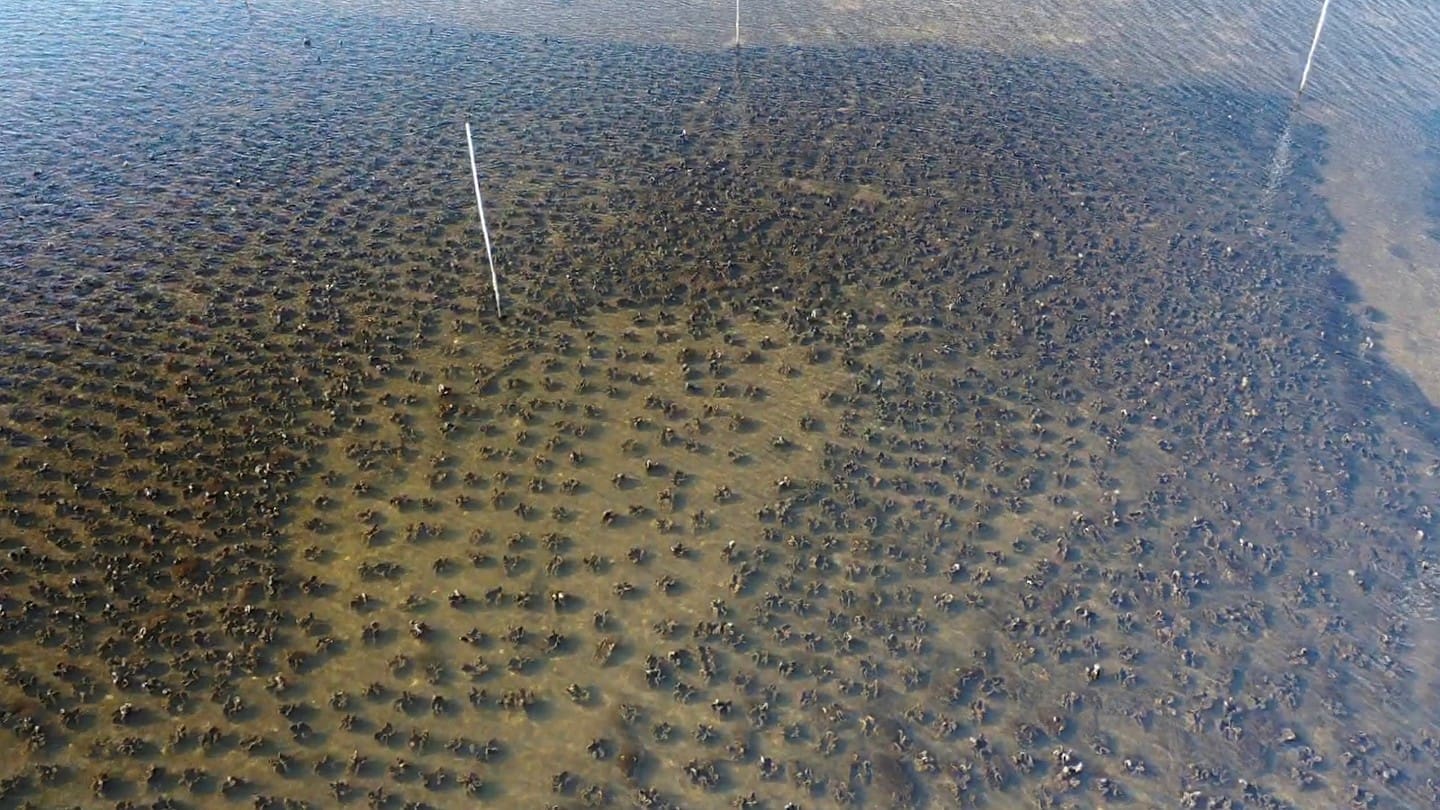
The event, scheduled from 8 a.m. to noon at the Eileen Reef near Parrish, brought together volunteers passionate about marine conservation and ecosystem recovery. In an hour and 15 minutes, the volunteers installed approximately 2,000 rag pots that mimic the complex habitats that oysters form naturally, helping to enhance local reef structure, improve water quality through filtration and support diverse aquatic life.
The rag pots were the brainstorm of ORE Founder and Executive Director Damon Moore and provide a cost-effective and ecologically friendly reef substrate that establishes new surfaces for oyster larvae to settle and grow. The oyster rag pots (ORPs) are made by dipping cotton rags in a cement mixture and shaping them into pot-like forms.
Volunteers launched kayaks along the river in Parrish and paddled approximately half a mile to the reef site. Once there, they received training and were divided into small teams led by ORE staff. Teams worked within pre-marked zones to install the ORPs at 1-foot intervals, a process that maximizes habitat coverage while minimizing disturbance to the river bottom.
The event was scheduled to coincide with an extremely low tide which ensured a water level (about 6–18 inches) that was more accessible and safer for volunteers to work in the tidal flats. Work included carrying materials, placing the rag pots and collecting tools and materials before paddling back to shore.
Besides restoration work, the installation day served as a community-building experience. Following the installation, volunteers gathered for a tailgate lunch provided by TBEP that offered volunteers a chance to celebrate their achievement, connect with fellow conservationists and learn more about ORE’s efforts to enhance the local marine environment.
Oyster River Ecology’s efforts are part of a broader movement to restore degraded oyster reefs, habitats that once flourished along Florida’s coasts but have been diminished by overharvesting, pollution and habitat loss. ORE’s mission is to engage volunteers in practical, science-based restoration techniques like rag pot installation. ORE not only helps rebuild vital marine ecosystems but also educates and empowers the community to take part in meaningful environmental stewardship.
To learn more about ORE’s mission, discover insight into local history (the Manatee River was originally named the Oyster River) and to be part of this game-changing movement, visit ORE’s website.