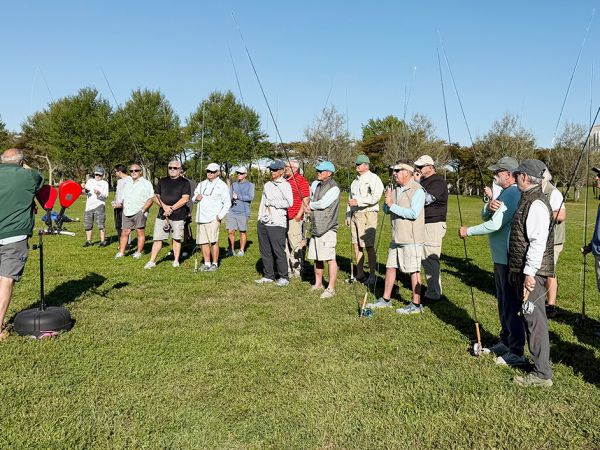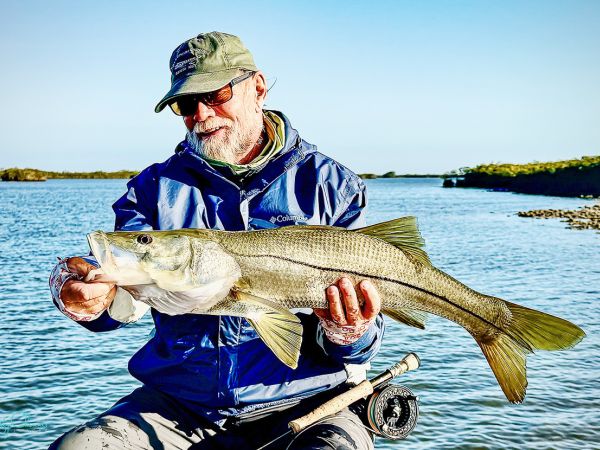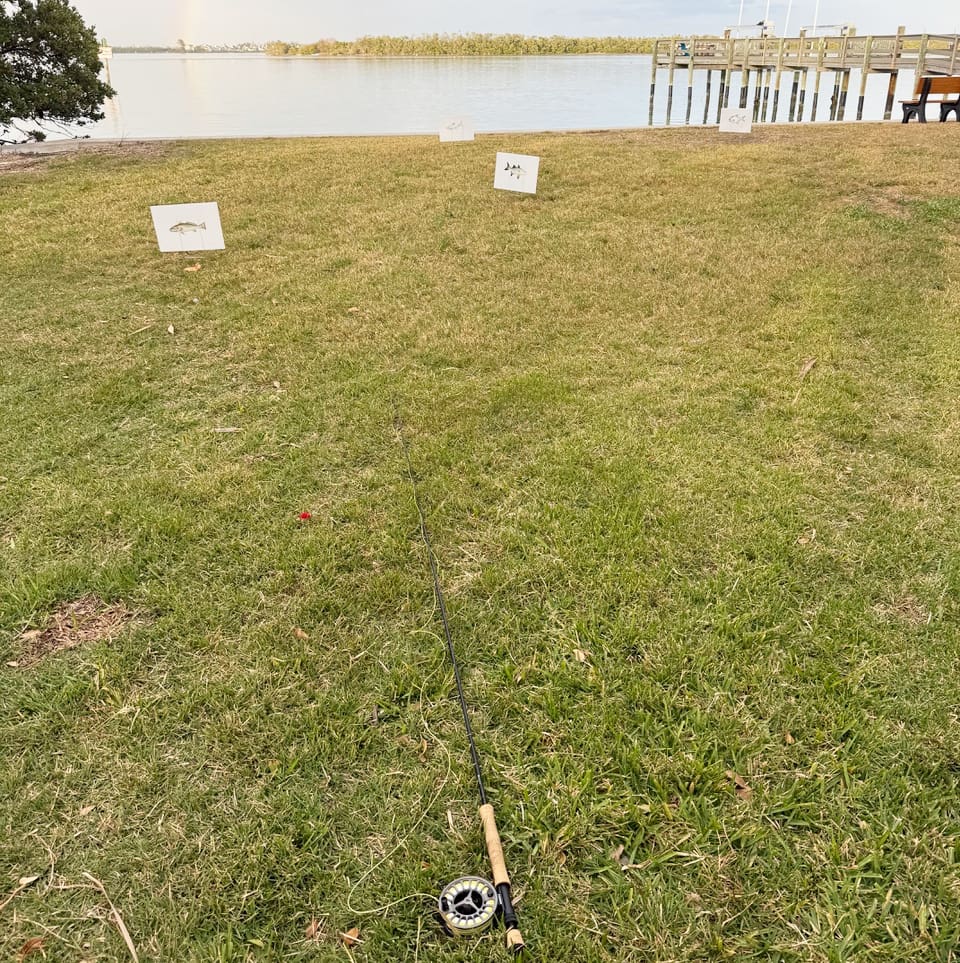
It’s one of the fastest growing segments of the angling industry, a test of the mettle of angler and tackle. Fly fishing dates back to very early times, but its popularity has skyrocketed in recent years.
Fly fishing in the salt dates back to the early 1940s when anglers like Joe Brooks, John Alden Knight, Ted Williams and Jimmie Albright began perfecting techniques to take bonefish, tarpon and permit in the Florida Keys. It’s a short history, but one rich in tradition.
Anglers have discovered that flies can take the gamut of saltwater species. When I first started fly fishing, I remember local guides telling me, “Bring your fly rod along in case the fish are in a feeding frenzy.” Now, many local guides prefer to fish fly anglers and realize that they are happy to get opportunities to present flies to fish and it’s not always about the number of fish caught.
Choosing tackle
Before buying tackle, it’s useful to understand the nomenclature of the sport. While spinning and bait-casting tackle are rated according to the breaking strength of the line, fly fishing outfits are rated according to the weight of the line used.
With conventional tackle, the weight of a lure or live bait propels the line and offering to their target, while in fly fishing, it’s the weight of the line propelled by the flex of the rod that carries the line, leader and fly to the target.
The weight system (rod, line and reel) generally starts with a #2, suitable for panfish and trout in small freshwater streams, to a #14, which is used for giant bluefin tuna and marlin. The most versatile outfit for fly fishing in Florida saltwater is a 7,8 or 9 weight. The line and rod are generally matched although a reel can be rated for multiple weights, for example 7-9. If you’re pursuing larger fish like cobia or king mackerel, a 10 weight would be the best choice. You’ll want to step up to an 11 weight or 12 weight if you’re pursuing the tarpon that frequent our area from May through July and often run over 100 pounds.
A reputable tackle dealer like AMI Outfitters on Anna Maria is a must when purchasing fly tackle. You need the kind of salt resistant tackle that will survive the rigors of the ocean and bays, and while you don’t have to buy the most expensive tackle on the market, good quality gear is a must.
Try different outfits and buy the one that feels “good in hand” and is the best quality you can afford. Next week, we’ll discuss the basic cast and the importance of practice.