The ethic of catch and release isn’t a new concept. Even in the early part of the 20th century, far-sighted anglers could see the potential for depleted fisheries. Over the last couple of decades, I thought it should be apparent to today’s anglers that there isn’t an inexhaustible well of fish in our waters. We’ve worked to make redfish a gamefish and fought battles to limit netting while making a commitment to be better stewards by agreeing to reasonable restrictions on size and bag limits. We’ve been better educated in the press and at the docks about limiting our catch and being less concerned about catching our limit.
After all the time and energy that concerned anglers spent in the 90s and early 2000s fighting to protect our fisheries, it seemed we had “rounded a corner.” Now it’s apparent that the job is never done as an influx of anglers, loss of habitat, climate change and water quality issues continue to pressure Florida’s fisheries. This makes it even more important to educate everyone on the importance of protecting the marine environment, and anglers in particular on catch and release tools.
For anglers who worked hard in the past to protect fisheries, the job is never done. It’s important that we make sure the “release ethic” continues by inspiring new generations of anglers. It’s also important to continue to educate anglers on proper release techniques so they can release fish that are out of season, unwanted or undersized. Effective tools and procedures exist to assure that when properly handled, the majority of fish we release will survive to reproduce and fight again.
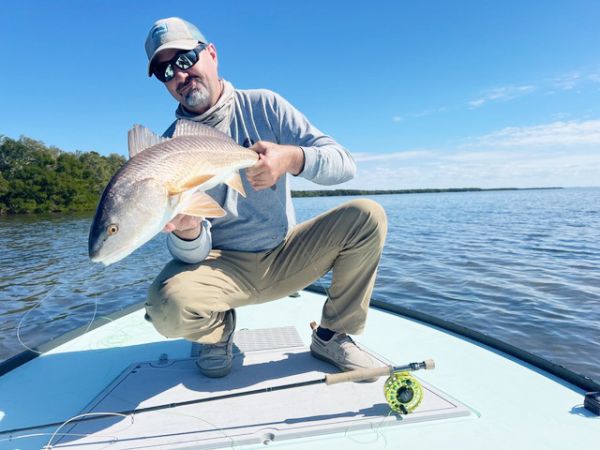
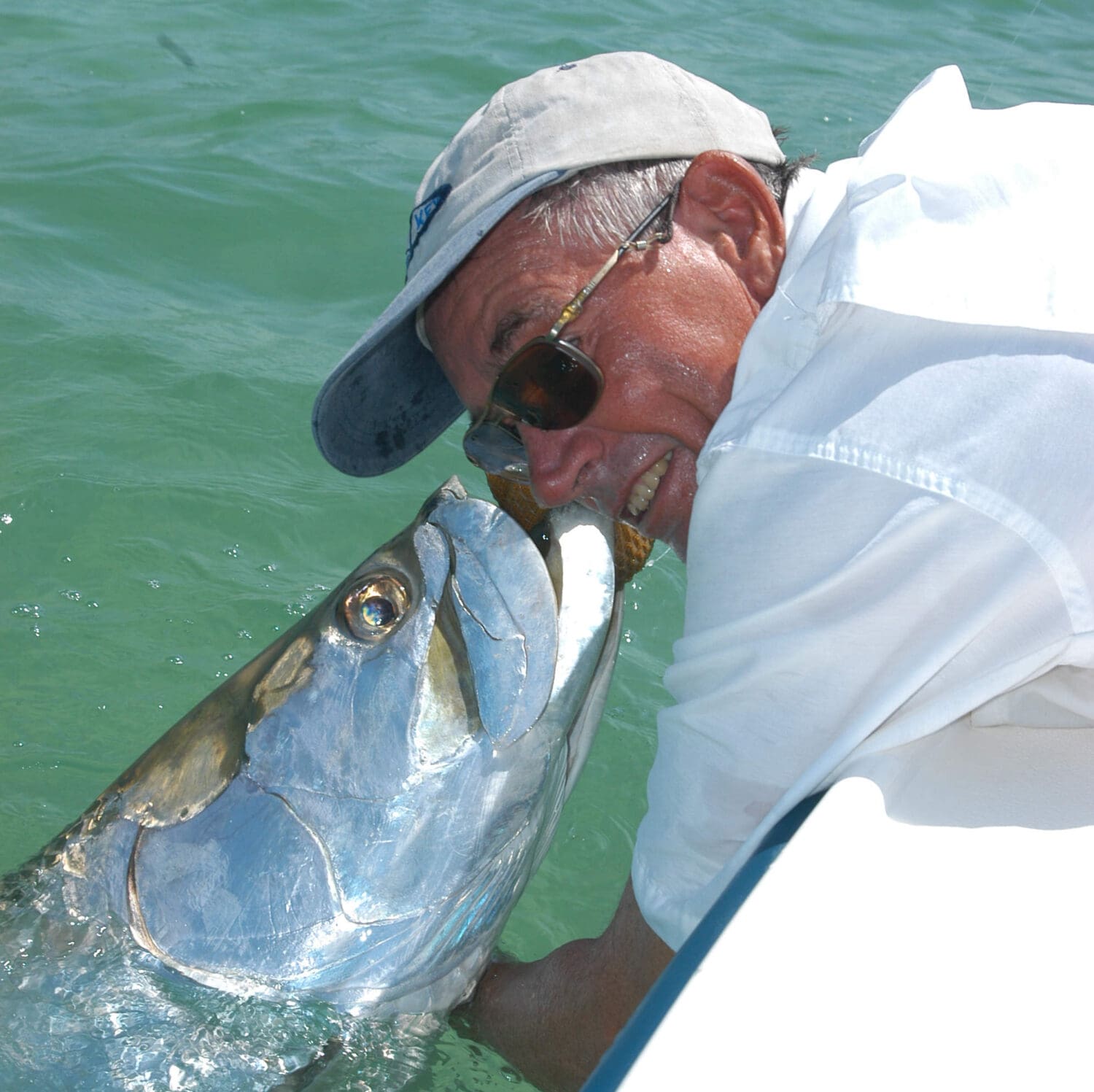
A fish’s chances of survival will be greatest if they are played to the boat and released quickly without removing them from the water. One of the easiest ways to assure this is to flatten the barbs on hooks. If constant pressure is applied during a fight, the hook will not back out. Once the fish is at boat side, it can be easily released without ever touching it using a “dehooker.”
Use proper tackle, de-barb hooks and be prepared to release fish quickly. Fishing is a great experience and deserves to be passed along to future generations. Catch and release is a good investment in a prosperous fishing future, but it’s an ethic that needs to be passed along to new generations of anglers.