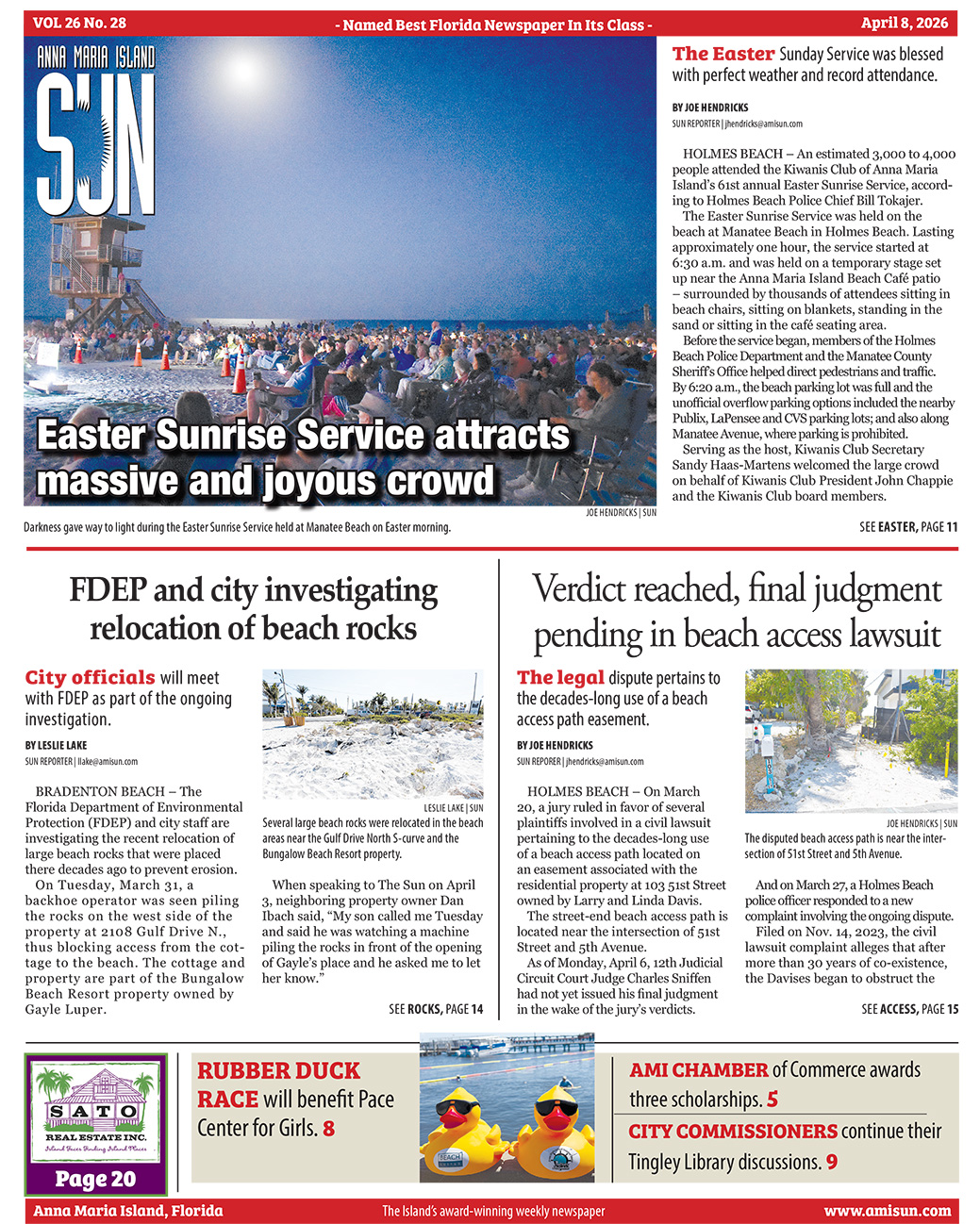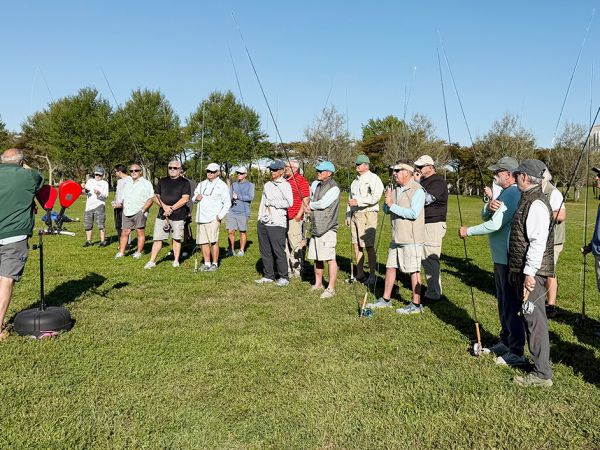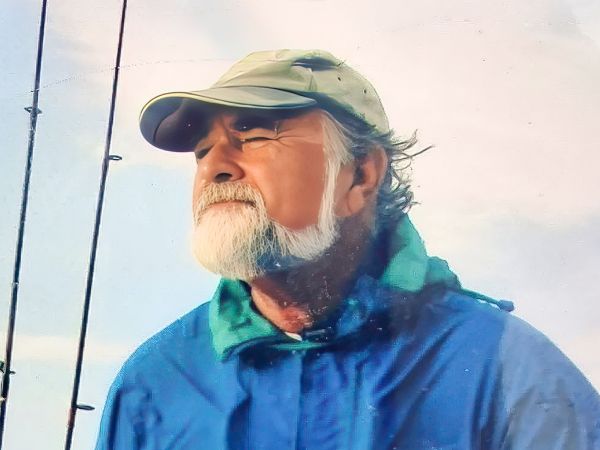
I’ve heard anglers say, “It’s just like riding a bike.” That’s true in the sense that it’s a learning experience that has to be practiced to be mastered. When we learned to ride a bike we often forget that we fell off a few times but persisted until we ditched the training wheels and someone to steady the bike. Then we were on that bike every chance we got and in so doing are able to ride to this day without giving it much thought. In neuroscience, it’s referred to as Hebb’s Rule and states that neurons that fire together wire together, and that’s how we build habits, good and bad.
That’s why it’s important to learn and practice proper casting techniques. The basic casting stroke consists of the rod being held in the dominant hand at the base of the fingers with the thumb on top of the cork. The stroke is a combination of moves of the wrist, the forearm and the upper arm. In the “ready” position with the thumb on the cork, the wrist is straight and the butt of the rod is at a 45-degree angle to the forearm. The wrist travels from this “straight” position to a 45-degree down angle then returns to a straight position. The forearm and the upper arm complete the motion.
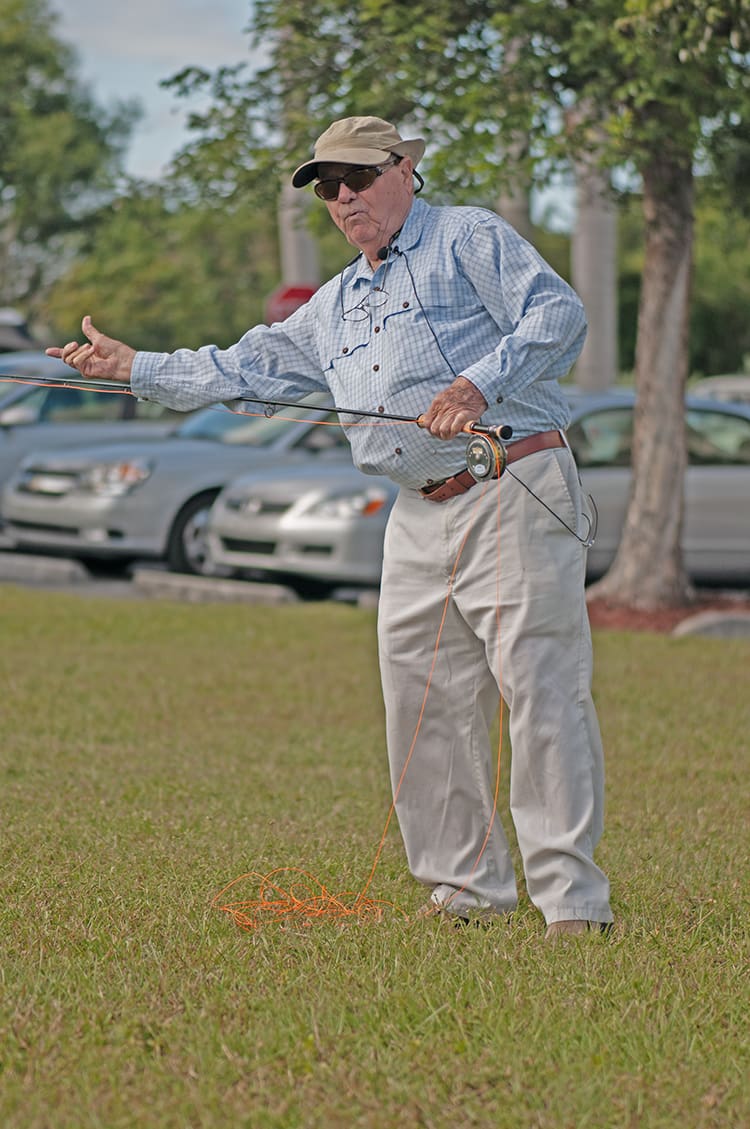
There are five basic movements that are considered essential:
1. There must be a pause at the end of each casting stroke, which varies in duration with the amount of line beyond the rod tip. This allows the line to straighten for the next cast. “Watch your back cast until you’ve mastered the timing.”
2. Slack line should be kept to an absolute minimum. Slack line prevents the rod from loading and applying the proper power to the cast. The most common mistake that creates slack line happens when the rod is started too high, forming a belly in the line between the rod tip and the water. To prevent this, start your cast with the rod tip pointing at the water.
3. In order to form the most efficient, least air resistant loops and to direct the energy of the cast toward the target, the rod tip must move in a relatively straight line. Practice tracing a horizontal line like a roof eve.
4. The length of the casting stroke must vary with the amount of line past the rod tip. If you are making a short cast there is only a small amount of line needed (which only weighs a small amount). As the length of line increases, the stroke must be increased to load the rod.
5. Power must be applied in the proper amount at the proper place in the stroke. In general, the power is applied slowly at first, gradually increasing to a peak at the end of the stroke. There should be a crisp stop at the end of the stroke, forcing the rod to come out of its bend. This is commonly referred to as the “speed-up and stop.”
Like riding a bike, playing tennis or golf, the only way to master fly casting is to practice on a regular basis. Create a practice schedule that you can stick to. Start by practicing short sessions on a regular basis. Regular practice is more important than the amount of time you spend and will build a good habit. Commit to five minutes every day. Any additional time will be a bonus, but the importance of a regular practice schedule cannot be over-emphasized.
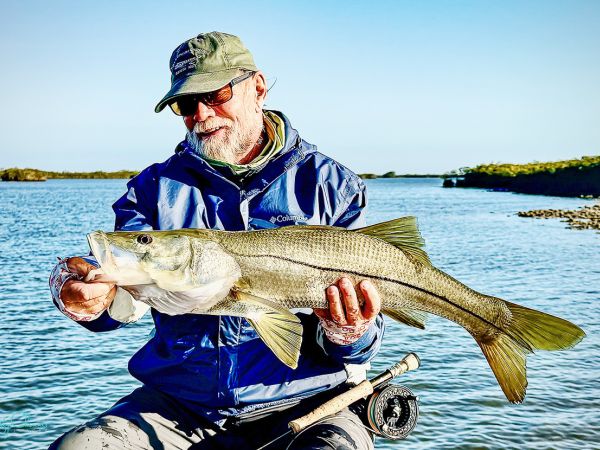
We never get as much time on the water as we want and can spend months anticipating a special trip to destinations like the Bahamas, Argentina and Montana. Spending time to master fly casting will pay dividends when you see that fish of a lifetime and raise your rod to make a cast.