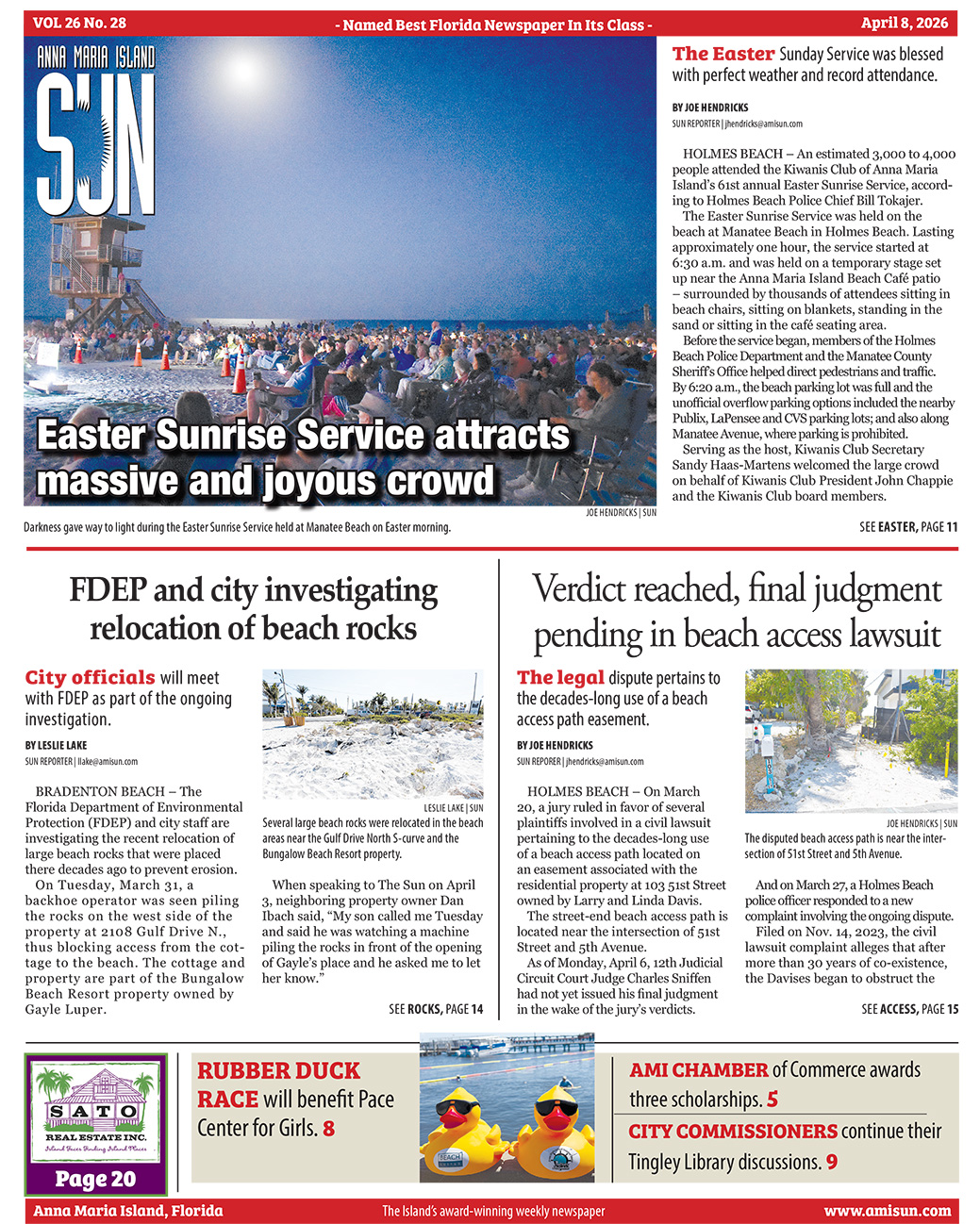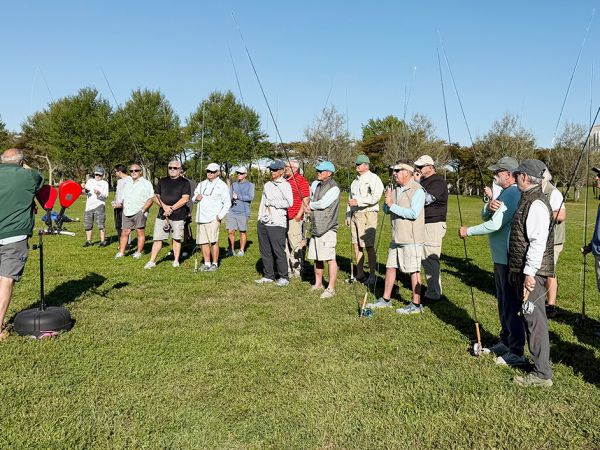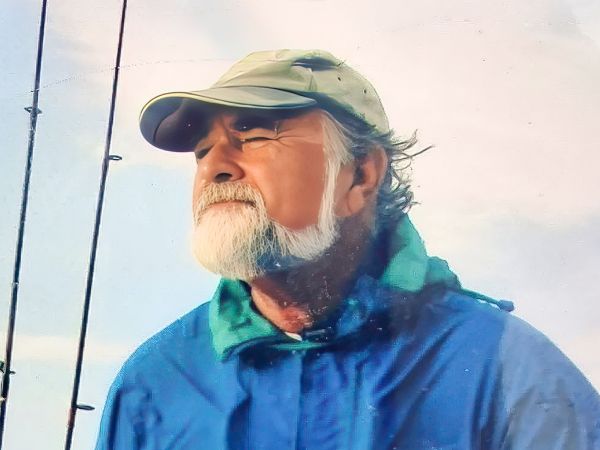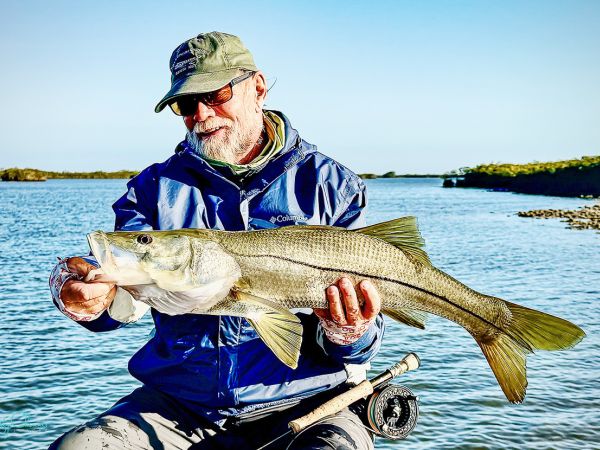


Fly casting and fly fishing are lifelong learning experiences that you can participate in whether you’re 9 or 90. They will introduce you to a whole new way of approaching fishing and a cadre of enthusiasts who love, like traditional anglers, to share their techniques, experiences and perspectives. In addition, you’ll be introduced to a segment of anglers that create their own flies (lures). If you’re thinking of getting into fly fishing or just need to develop your casting skills, consider exploring the Fly Fishers International website. While there’s a wealth of good fly-casting videos on the internet and YouTube, there are also videos that can confuse or misdirect budding fly fishing enthusiasts. The FFI will provide you with videos and information vetted by some of the best fly casters in the world.

Giving fly casting instruction taught me that being a newcomer to the sport has its advantages. Learning from scratch using the fundamentals (physics) of the cast is often easier than correcting the bad habits of long-time casters. For someone who has been fly casting for a long time but has ingrained, incorrect techniques, it can be harder to correct.
The good news is that long-time casters who have been using improper techniques can “retrain” the brain with dedicated practice sessions.
Besides learning proper technique and practicing, it’s important to realize that there is no right or wrong “casting style.” Casting is governed by physics and the repetition of a correct casting stroke builds what has been called “muscle memory” although wiring neurons into patterns is a more proper characterization. Science has shown that it’s more effective to practice often for short periods than long sessions.
There are essentials that every fly caster must master, although they may have individual skills or styles. This is the difference between the art (style) and science (physics) of the cast. Different people learn at a different pace. Some people pick up casting quickly and then plateau.
Others start slow, but when they finally “get it” they’ve “got it.” The only common requirement is practice. It can be compared to learning how to ride a bike. When we first start, we fall off and are unsteady. When the activity is practiced repeatedly it becomes second nature, like when we jump on that bike and ride off without thinking of the components required to stay upright and move forward. It’s the same with fly casting. To become a good caster you need to practice, but that practice will reward you with a lifetime of pleasure and provide the camaraderie of good friends.
Next Week: The Fundamentals