

In last week’s column, we discussed the importance of managing stormwater and its effect on water quality and fishing in coastal waters.
In our watershed, we manage stormwater runoff with ponds that capture the pollutants and nutrients that run off the driveways, parking lots and streets that would funnel directly into our coastal waters if not for these “settling” ponds. So, it’s critical to understand that not all ponds are created equal.
Creating a healthy stormwater pond in Florida presents unique challenges. Summer heat, heavy rainfall and nutrient-rich soils can make pond management especially difficult. Elements that are key to success and keep water clear, balanced and less prone to algae blooms and fish kills include the following: adequate aeration and circulation, balanced nutrient levels, beneficial bacteria, native aquatic plants, a balance of wildlife and fish, routine water testing and proper sloping of banks and suitable water depth.
Of these challenges, aeration is the most important. Florida’s warm temperatures cause water to hold less dissolved oxygen, causing the water to become stagnant and depleted of oxygen. This can be addressed by the use of a fountain or a simple waterfall. Fountains and waterfalls help keep the oxygen levels stable, prevent thermal stratification (distinct horizontal layers based on temperature and density) and reduce foul odors that can be caused by bacteria on the pond’s floor.
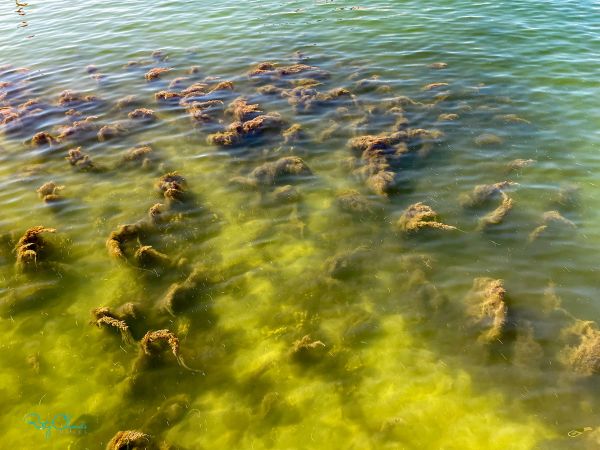
Florida ponds are often affected by nutrient overload, which can be fed by lawn fertilizers, leaf litter and decaying organic matter. These excess nitrogen and phosphorus sources fuel algae blooms and invite invasive plants like hydrilla and duckweed. This can be addressed by maintaining a buffer of grass or native plants, removing grass clippings and not overfeeding fish.
One of the essential components to address these stressors is establishing a population of beneficial bacteria to break down fish waste, decaying leaves and other organic debris before it can become a food source for algae. Bacterial or enzyme treatments can be applied to speed up the natural decomposition process.
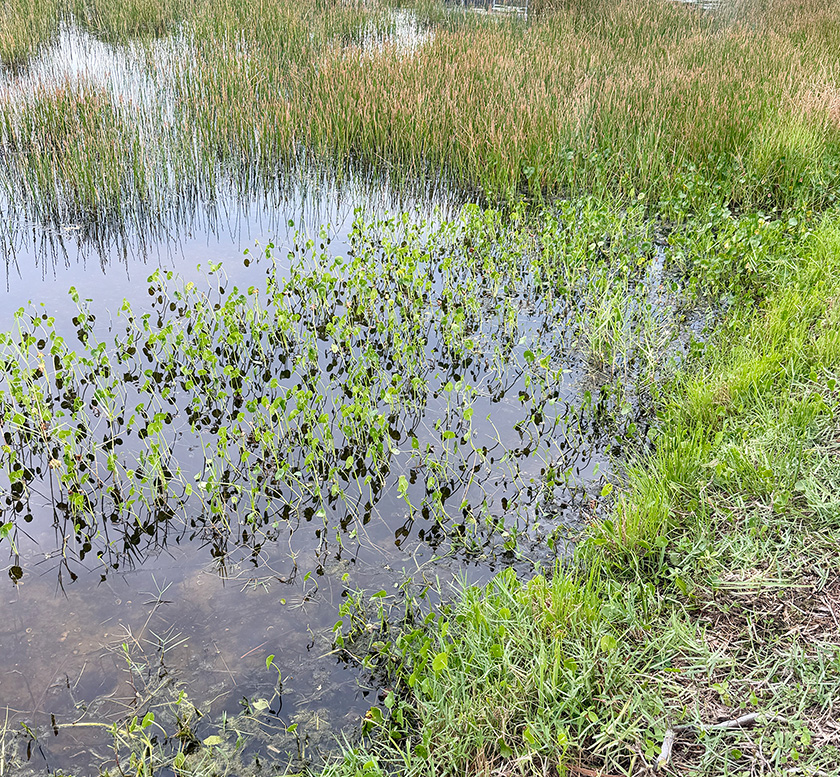
A ring of native plants, including a mix of soft rush, pickerelweed and duck potato, looks good but does much more. Primarily, they absorb excess nutrients before algae can use them. They also provide shade that limits sunlight-driven algae growth, helps stabilize the shoreline against erosion and creates habitat for fish, frogs and beneficial insects.
A healthy pond creates and supports a well-balanced food web. Too many fish, especially if overfed, can overwhelm a pond’s capacity to process their waste. Species like tilapia or grass carp help control algae and vegetation, but they need to be managed carefully to avoid becoming a problem themselves.
Since Florida’s heat hastens chemical changes, the dissolved oxygen and nutrient levels can shift quickly.
Regular testing helps catch problems before they become visible or harm a pond’s inhabitants.
Finally, proper depth and sloping are essential. Shallow water heats up faster and supports more weed growth. Excessively steep banks erode easily during heavy summer storms, while gradually sloping banks and deep ponds are better at regulating temperatures, which leads to a healthier overall ecosystem.
Working together, aeration supports bacteria, bacteria control nutrients, and plants soak up residual nutrients. If any one of these essential ingredients is missing, a pond will often turn green with an algae bloom during Florida’s long, hot summers.
If you live in a development with stormwater ponds, getting involved in their proper management will lead to a better outcome for homeowners, those who fish and the natural environment. It’s a win-win for everyone.