

Every angler who fishes the waters surrounding Anna Maria Island, including Tampa Bay, Sarasota Bay and the Gulf, depends on clean, healthy water to support the fish they pursue.
The same is true for every Floridian who enjoys the seafood these waters produce, including fish, shellfish, blue crabs and stone crabs.
Stormwater runoff is perhaps the most insidious threat to these natural resources, especially considering the massive development in coastal areas. In late spring, you might have noticed some of the clearest and bluest water the area has seen in decades.
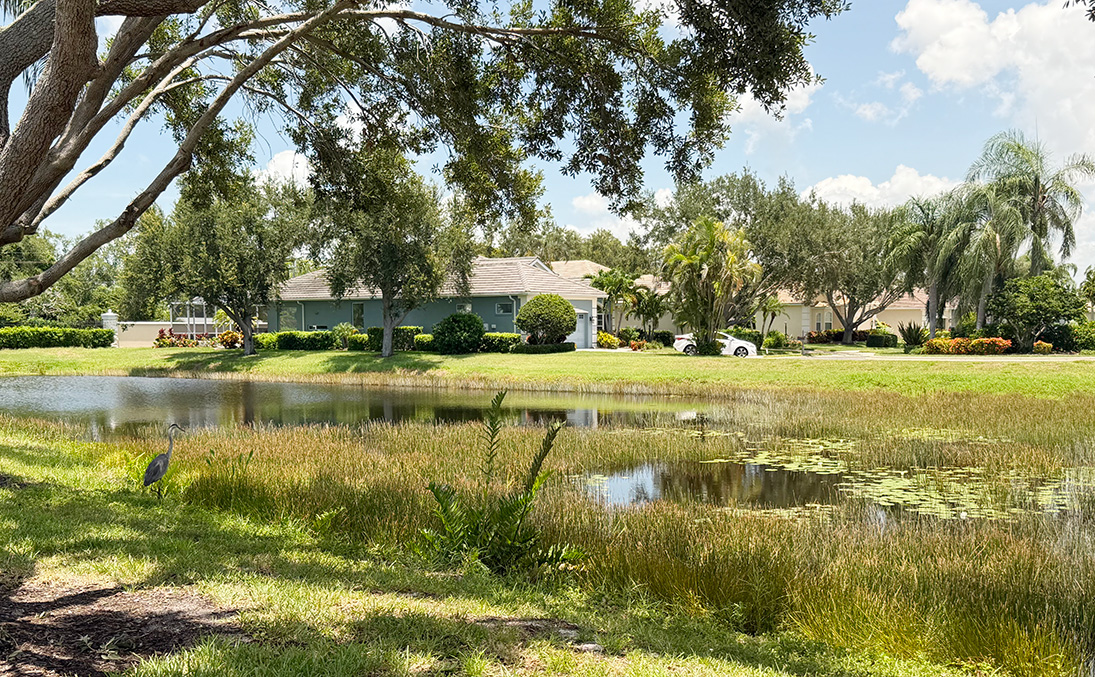
Much of that is the result of the recent drought that has prevented the stormwater and the plethora of pollutants the stormwater carries from entering local waters. Fortunately, much of the rain that falls on these developed areas will be captured by one of Florida’s 76,000-plus ponds designed and built for managing stormwater.
How well these ponds treat the water they capture depends on how they are managed. This is why every property owner whose water reaches a pond has a role in protecting the quality of the water that enters our coastal waters.
Stormwater ponds are constructed to collect rainwater and hold the stormwater long enough to help remove the many pollutants from the water before it’s released into the creeks, canals and rivers connected to our bays. The ponds not directly connected to surface waters allow water to be naturally filtered to groundwater that eventually flows underground to our creeks and bays.
Fortunately, Sarasota County and Manatee County have an organization that helps local homeowners associations and residential developments manage stormwater effectively.
The Healthy Pond Collaborative (HPC) is a unique partnership funded by the Charles and Margery Barancik Foundation to help local communities enhance their ailing stormwater retention ponds. The partnership is administered by START and includes Sarasota County’s NEST Program, Manatee County’s Department of Natural Resources, the University of Florida IFAS Extension Program, Suncoast Waterkeeper and the Science and Environment Council of Southwest Florida.
In next week’s column, we’ll explore the anatomy of a healthy pond and what you can do to be part of the solution. Get a preview by reviewing the Healthy Ponds Guide at the sarasota.wateratlas.usf.edu website and spread the word to fellow anglers, friends and associates.