Planning a successful fishing adventure
The transition from spring to summer is a time when many anglers start planning fishing trips.
Whether it’s a trip to a location in Florida for bonefish and permit, the West for trout, or Alaska for salmon, proper preparation is essential to assure that the time, money and effort involved pays dividends in catching fish and the overall experience.
Planning any fishing trip can be a challenge, given the peculiarities of weather and the idiosyncrasies of fish. Add a few thousand miles, a different language and an exotic species or two; and some serious planning is advisable.
Chances are you’ve been looking forward to this trip for a long time and finally have the opportunity to fish, eat, sleep and repeat for a week or more. It makes good sense to develop a plan to ensure that you have the best possible chance of success.
Deciding where to go, and when, are your first decisions. While it’s not impossible to book your own trip, knowing the best time, tides and lodging can be daunting. In addition, juggling the details of plane reservations, transfers, accommodations and guides can complicate organizing a trip.
A knowledgeable outfitter or travel host can provide the experience and inside information that will allow you to immerse yourself in the experience, instead of the details. Even when using an outfitter, you’ll need to do some research to ensure you’ve matched your angling needs and expectations to your chosen destination. There are a lot of resources online, including some great groups on Facebook, but you’ll need to vet your sources carefully.
If you require a certain level of service, or are traveling with non-fishers, you’ll want to research locations that offer certain conveniences, as well as good fishing.
It can be helpful to talk to others you trust and have similar expectations when you’re planning. You can also reach out to an outfitter or host for several references and question them carefully. Make sure they have been to the location recently – and at the time of the year you plan to visit. Online references and referrals may be helpful too; but be careful of the source.
In foreign countries, even as close as the Bahamas, you’ll be hard-pressed to replace items you forgot to pack, particularly fishing tackle.
This is one case when it’s probably better to pack more than you think you’ll need. Making a packing list and checking it before your departure will pay dividends. In any case, be reasonable about what you pack – as in, “it’s better to have it and not need it, than need it and not have it!”
Many tropical fishing destinations are very near the equator, so anglers need to pay special attention to the sun. Cool and comfortable long-sleeved pants and shirts for sun protection are a must, along with a high SPF waterproof sunscreen.
Polarized glasses with glare guards and a fishing hat with a dark underbrim are mandatory and bringing a second pair of each is advisable.
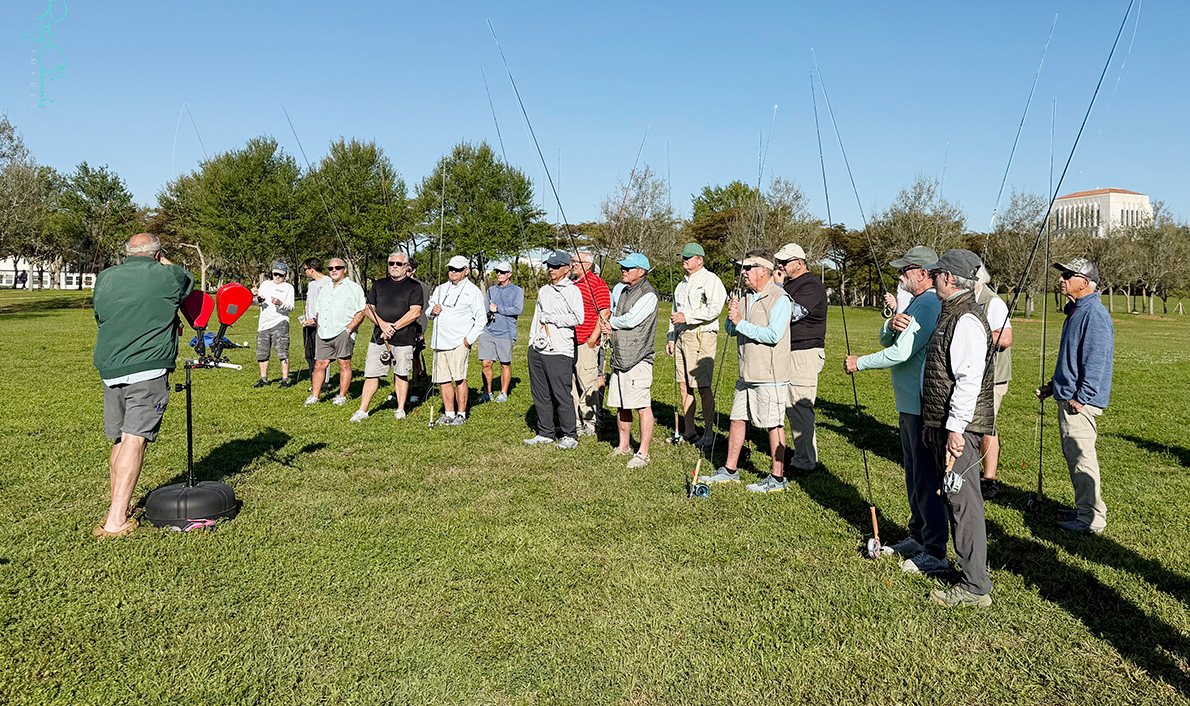
You can be a consummate planner, have beautiful weather and terrific fishing and still have a frustrating and unsuccessful trip if your cast isn’t up to par. Pay special attention to casting into the wind and being able to place an accurate 40-foot cast. Practicing these skills well in advance on grass will greatly increase the pleasure of your adventure wherever you go.
The success or failure of any fishing adventure will vary due to conditions beyond your control but being mindful of the things you do have control over can make or break your trip. Be prepared, practice casting, do your homework up front, ask good questions from knowledgeable sources and be flexible. The time and effort you expend in planning the trip will pay dividends of tight lines, screaming drags and lasting memories.