

Tag: Piney Point discharge

Piney Point 2024

Piney Point withstands Debby

PALMETTO – Severe weather associated with then-Tropical Storm Debby passed over the Piney Point site on Aug. 4-5, producing high winds and more than 9 inches of rain, according to the Florida Department of Environmental Protection (FDEP), which says the rainfall was well within the plant’s storage capacity of 90 inches.

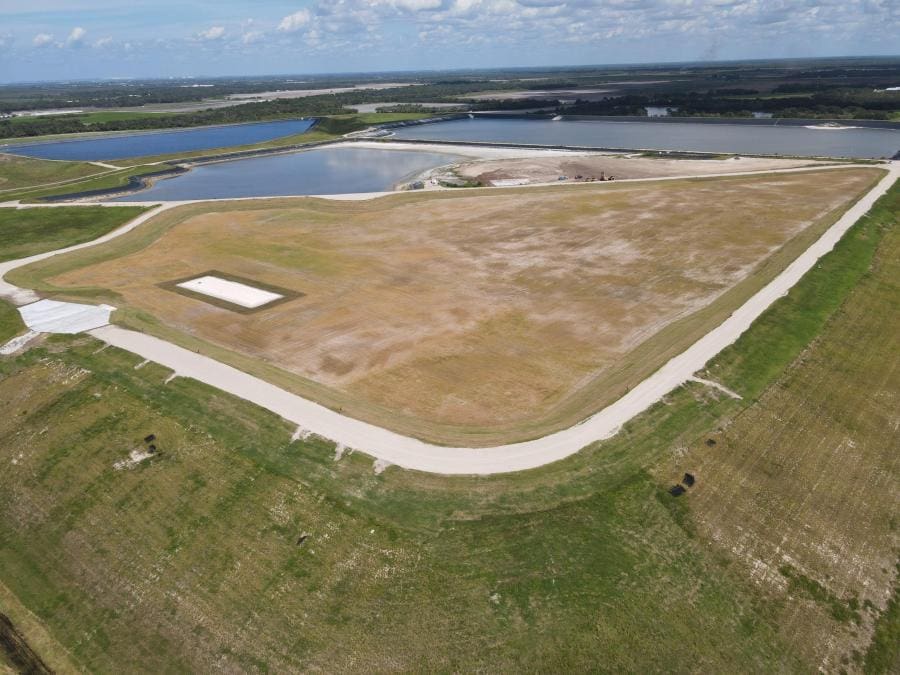
The Piney Point property is the site of a former phosphate processing plant closed for several years. Wastewater holding ponds were built on the crest of phosphogypsum stacks at the site, less than two miles from Tampa Bay and near two state aquatic preserves.

In April 2021, a breach in the outer wall of one of the retention ponds resulted in approximately 215 million gallons of water containing high levels of nitrogen and phosphate being intentionally discharged into nearby waters to avoid flooding nearby homes and businesses. The discharge worsened a bloom of the toxic algae red tide that lasted six months, causing fish kills and respiratory irritation.

Afterwards, a 3,300-foot-deep well was built near Piney Point at 3105 Buckeye Road to permanently store the wastewater being drained from the stacks, a process still in progress.

In an Aug. 9 FDEP status update, it was reported that:

• The site has received 9.55 inches of rain so far this month, including approximately 9.5 inches from Hurricane Debby. Piney Point has received approximately 44.49 inches of rain since Jan. 1.

• The storage capacity for additional rainfall at the site is over 90 inches. This capacity is expected to change with rainfall amounts and adjusted water management activities at the site.

• Approximately 160.2 million gallons are currently held within the NGS-South compartment. Pond level readings are expected to fluctuate due to a host of factors, including wind/associated waves in the pond, rainfall and water management activities.

“FDEP has been in contact with the court-appointed receiver and confirmed there is no identified damage to the compartment systems and there are no other water management concerns,” according to the Aug. 9 update. “FDEP is working closely with the court-appointed receiver to continue site evaluations and manage water levels. A full site inspection is underway to assess any post-storm impacts.”

In July, FDEP reported that final closure procedures for Piney Point are moving forward.

“Forgen LLC, the project contractor, has completed the liner installation on top of the OGS-South compartment and is now working with court-appointed receiver Herb Donica to complete the final details for closure, including placing soil cover and grass over the area so that it will no longer accumulate rainwater,” according to the July update.

Residents can find the latest information on the status of the site, response activities and water quality at ProtectingFloridaTogether.gov/PineyPointUpdate.

Piney Point stormwater to be discharged into Tampa Bay

Settlement reached in Piney Point litigation

PALMETTO – Prompted by a 2021 lawsuit by multiple conservation groups, the Florida Department of Environmental Protection (FDEP) has agreed to allow more oversight of discharges from the Piney Point phosphate facility.

The settlement agreement also establishes enforceable limits on pollution discharged into Tampa Bay and provides for taxpayer funding to monitor Piney Point’s impacts on Tampa Bay’s water quality.

“The Piney Point phosphogypsum stack is a mountainous heap of toxic waste topped by an impoundment of hundreds of millions of gallons of process wastewater, stormwater and tons of dredged spoil from Port Manatee,” according to a press release from the plaintiffs, The Center for Biological Diversity, Tampa Bay Waterkeeper, Suncoast Waterkeeper, ManaSota-88 and Our Children’s Earth Foundation.

Three years ago, after discovering a leak in the facility’s reservoir liner, regulators ordered the discharge of 215 million gallons of wastewater from the gypsum stack into Tampa Bay to avert a collapse and flooding.

“During the 2021 wastewater release, Tampa Bay received more nitrogen – nearly 200 tons – than it usually receives from all other sources in an entire year. The red tides that have plagued Florida are fueled by nitrogen,” according to the press release. “Following the release, Tampa Bay experienced a deadly red tide that killed more than 600 tons of marine life in Pinellas and Hillsborough counties.”

After the spill, the owner of the site, HRK Holdings LLC, filed bankruptcy and proceedings began to permanently remove the wastewater from the facility and close it. Treated wastewater from the site is currently being pumped into a deep well in eastern Manatee County.

The conservation groups requested that U.S. District Court Judge William Jung hold HRK responsible for violating the Clean Water Act by discharging pollutants into Tampa Bay without a lawfully issued permit.

“The settlement establishes a new standard of transparency for the water quality exiting the plant, a crucial step in safeguarding the well-being of our community,” Suncoast Waterkeeper Executive Director Dr. Abbey Tyrna said. “Additionally, it imposes critical restrictions on key pollutants, ensuring a more sustainable and healthier future for our bay.”

“The Piney Point disaster shook the Tampa Bay community to its core. It wasn’t too long ago that shorelines once teeming with life were littered with all kinds of dead fish for months. If you had previously found it swimming in Tampa Bay, it was likely dead after Piney Point,” said Justin Tramble, executive director of Tampa Bay Waterkeeper. “This brings some closure to the past and shifts the focus to making sure mechanisms are in place to prevent even more tragedy in the future.”

The wastewater discharged in 2021 into Tampa Bay continues to spread throughout the estuary and into Sarasota Bay, according to the press release.

“The gyp stacks at Piney Point represent the true legacy the phosphate industry will leave behind in Florida – perpetual spending of taxpayer monies and risks to the public’s health and the environment,” said Glenn Compton, chairman of ManaSota-88 Inc. “There is no economically feasible or environmentally sound way to close an abandoned phosphogypsum stack.”

“A strong, enforceable Clean Water Act permit for Tampa Bay’s most problematic polluter is long overdue,” said Ragan Whitlock, a Florida-based attorney at the Center for Biological Diversity. “It shouldn’t have taken a disastrous pollution event and legal action to prompt our state regulators to do their job, but we’re hopeful this permit is a step toward eliminating the looming threat this site has posed for decades.”