BY RODNEY KWIATKOWSKI
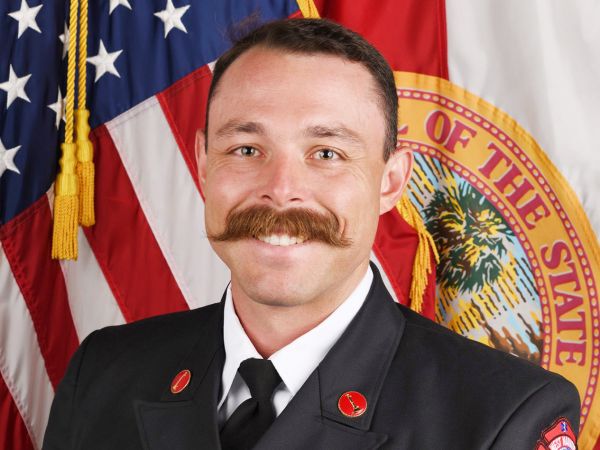
WMFR FIRE MARSHAL
MANATEE COUNTY – Over three days, fire agencies across Manatee County came together for an intensive, hands-on training event hosted by the West Manatee Fire Rescue District (WMFR).
The training brought together personnel from multiple departments, reinforcing a key principle of modern emergency response: no agency operates alone.
The training sessions took place on April 21, 22, and 23 at WMFR Station 2, at 10350 Cortez Road West.
The participating departments included East Manatee Fire Rescue, Parrish Fire Rescue, North River Fire Rescue, Southern Manatee Fire Rescue, Cedar Hammock Fire Rescue, the Bradenton Fire Department, Longboat Key Fire Rescue and West Manatee Fire Rescue.
The training sessions emphasized real-world, scenario-based learning. Crews worked side by side in multi-company drills designed to simulate complex emergencies.
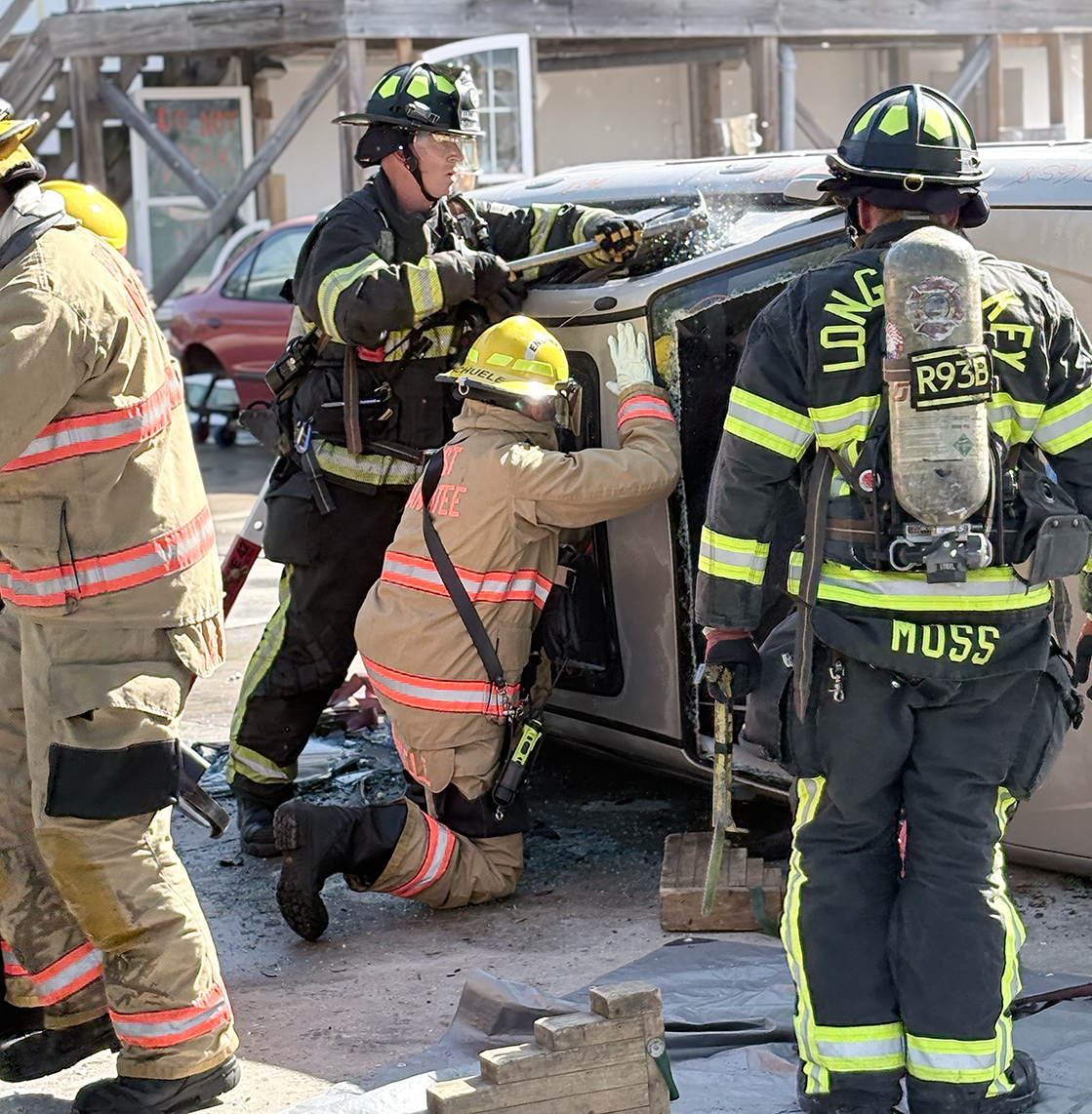
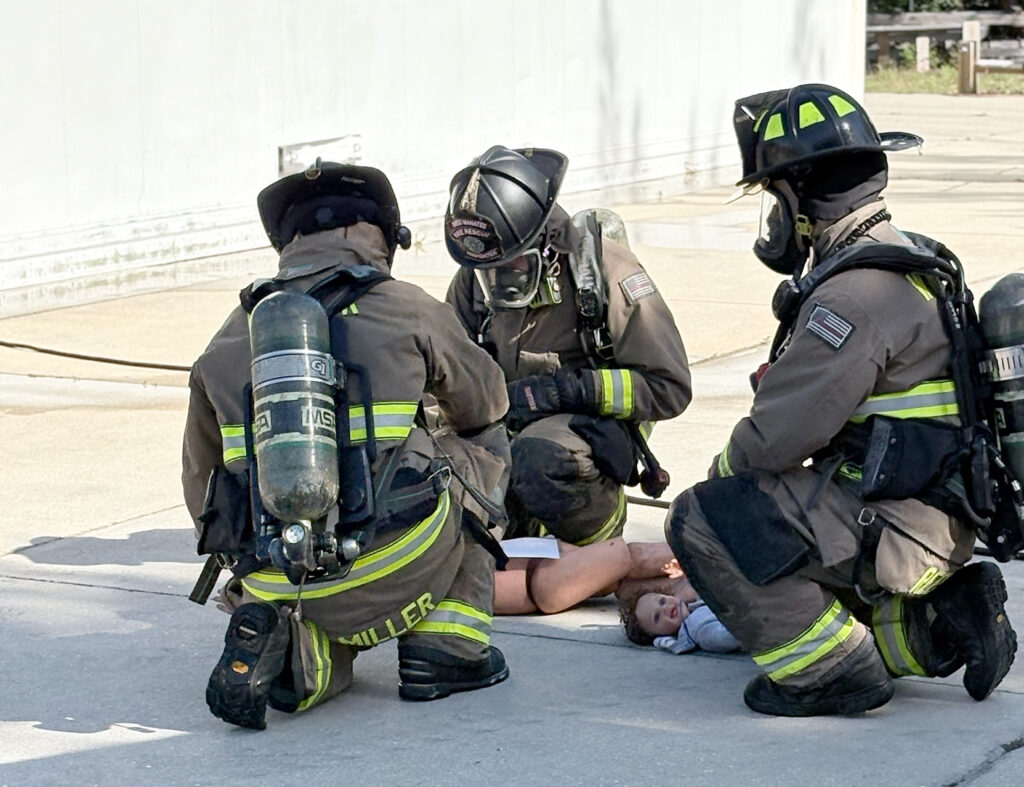
Firefighters advanced hose lines into simulated fire environments, forced entry into secured structures, conducted search and rescue operations and performed advanced vehicle extrication.
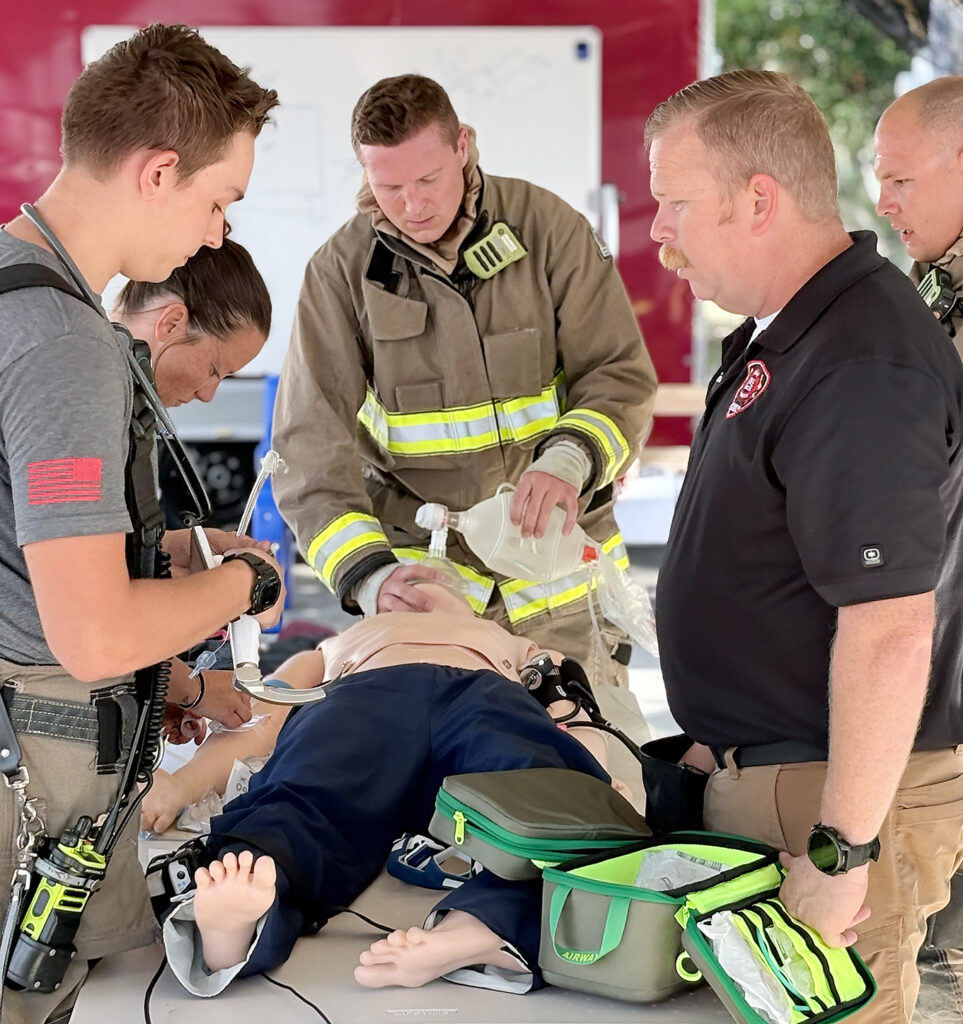
Emergency medical personnel simultaneously practiced patient packaging and advanced life support interventions under realistic conditions.
Beyond the technical skills, the training fostered something equally important: interoperability. When agencies train together, they build trust, improve communication and develop a shared understanding of tactics and expectations. These elements are critical during large-scale or multi-jurisdictional incidents, where seamless coordination can directly impact outcomes.
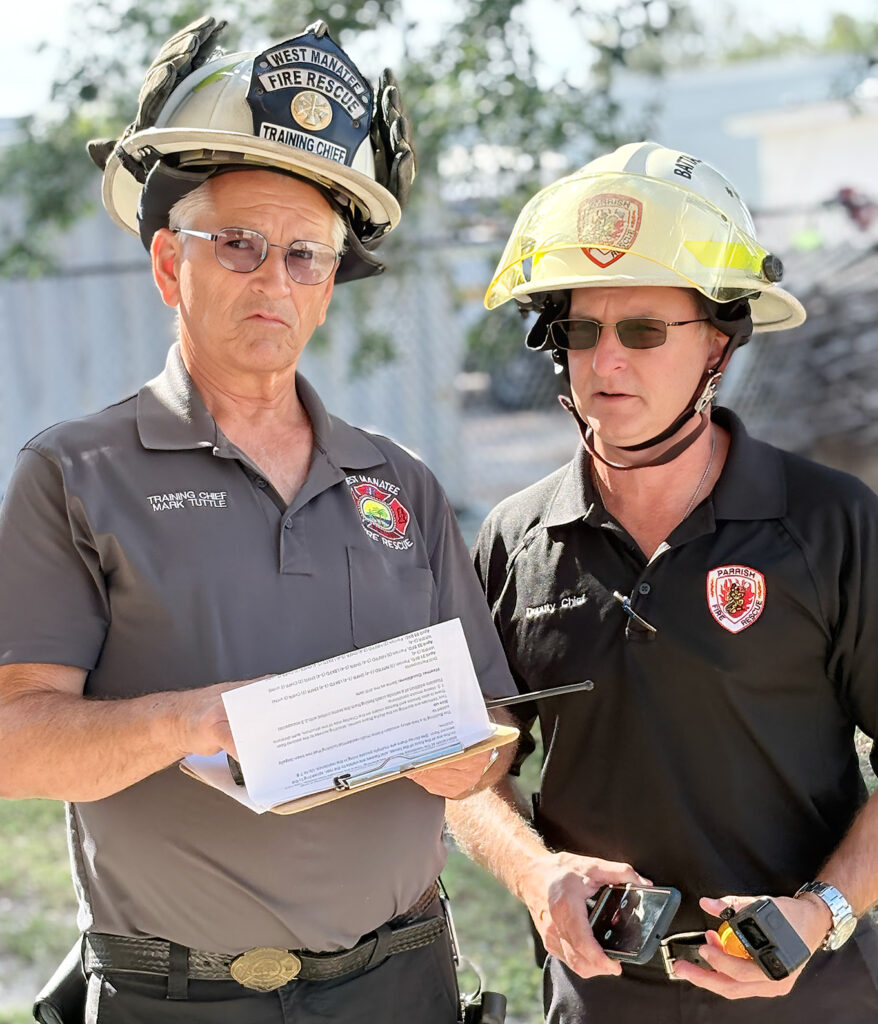
When asked about the value of such training, WMFR Training Chief Mark Tuttle said, “These multi-company drills push our personnel to perform at a high level under realistic conditions. It’s not just about individual skills; it’s also about how effectively we work together across agencies. That’s what makes the difference on the fireground.”
The multi-day exercise stands as a strong example of the commitment shared by Manatee County fire agencies to invest in their people and continuously improve service delivery. Through training like this, firefighters are better prepared, response efforts are more efficient, and the community is safer as a result.