

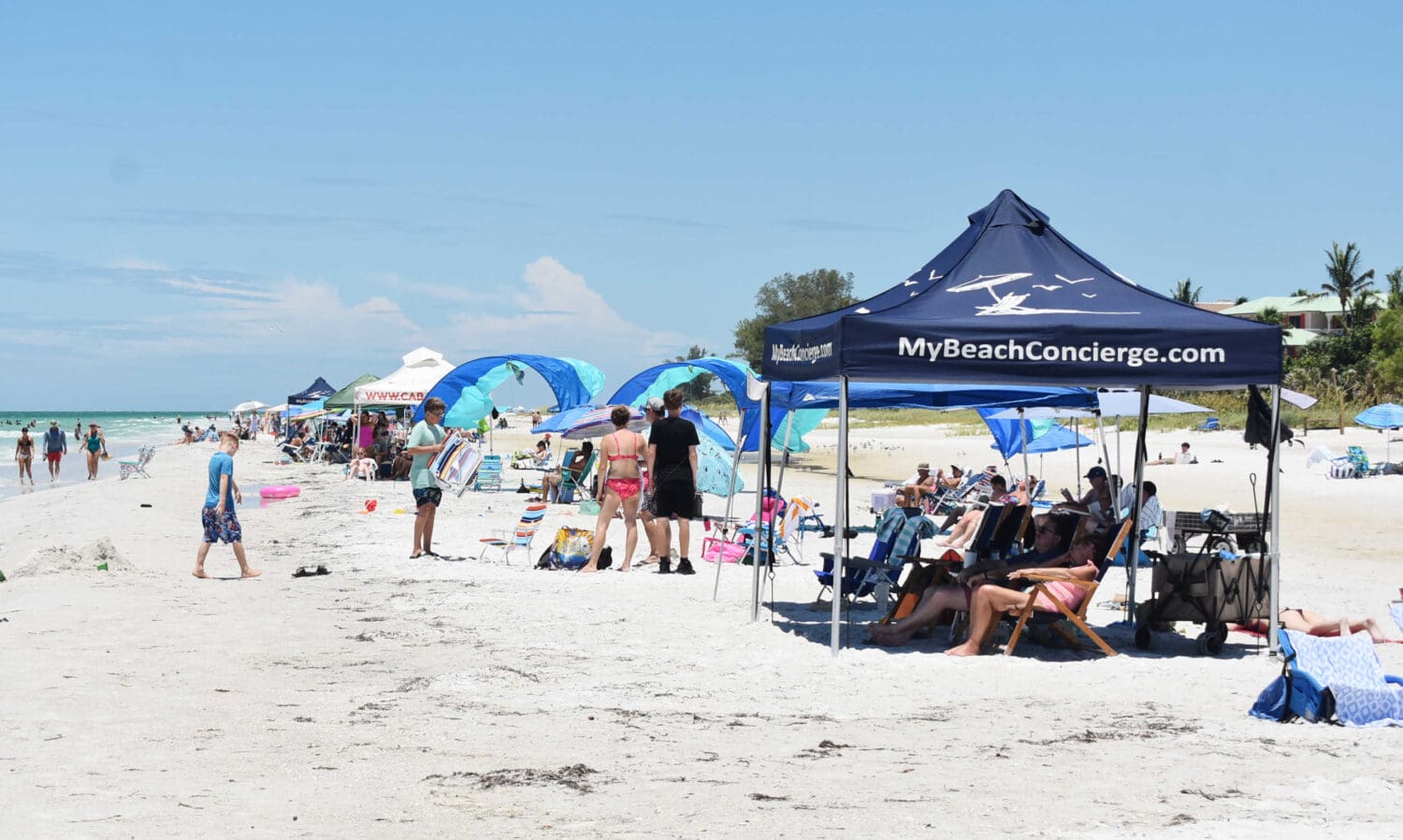
ANNA MARIA – While discussing beach cabana rentals and other commercial activities occurring on public beaches, Mayor Mark Short said city code prohibits all commercial activity in beach areas that carry the city’s coastal conservation or recreation open space zoning designations.
During the July 24 Anna Maria City Commission meeting, commissioners, cabana rental company owners and employees and the public were also informed that multi-legged cabanas and tents of any kind, commercial or personal, are not allowed in coastal conservation-zoned areas.
According to the color-coded zoning map included in the meeting packet, the coastal conservation zones highlighted in green include the entire public shoreline from Magnolia Avenue to the northern tip of Bean Point. The recreation open space zones highlighted in blue include the Bayfront Park and City Pier shorelines.
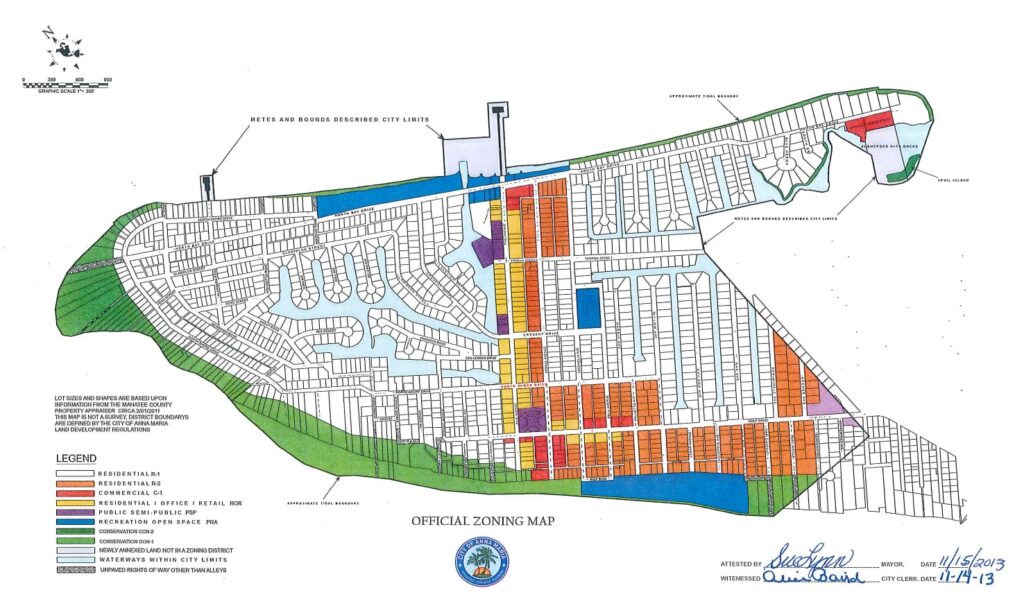
“We have an ordinance on the books that addresses what is permitted in the blue and green areas. The ordinance does not provide for the conduct of any commercial activity in either the coastal conservation zone area or the recreational zone area,” Short said.
Participating by phone, City Attorney Becky Vose said the city controls the public beaches and state and federal laws don’t restrict a city’s ability to regulate commercial activities. In regard to privately-owned beaches not regulated by the city, Vose said the upland property owner owns the land up to the mean high-water line and rented or personally-owned tents and cabanas can be set up on privately-owned beachfront property.
Vose said her law firm represents six beach communities throughout the state and each one regulates commercial beach activities differently. She said the city of Cocoa Beach allows a limited number of beach vendors to enter into 7-year agreements with the city and if they don’t comply with the city’s insurance, operational and cleaning requirements, those agreements are nullified and offered to another vendor.
Regarding city-regulated beaches, Vose said the city has a great deal of flexibility and can pretty much do what it wants.
“Right now, you do not permit any commercial activity,” she said. “The city has not been enforcing those requirements, but that doesn’t mean you couldn’t start. You need to decide how you want to handle these and give direction to staff. We can either draft new ordinances or we can enforce what we have. There is no compulsion under state law or city code to allow any commercial uses on the beach.”
Commissioner Charlie Salem asked Vose to explain any restrictions that apply specifically to the coastal conservation-zoned areas. Vose said the only shelter-like item allowed in a coastal conservation zone is a single-pole umbrella or something similar. She said multi-legged tents and cabanas are not allowed in coastal conservation zones but that’s something the commission could change.
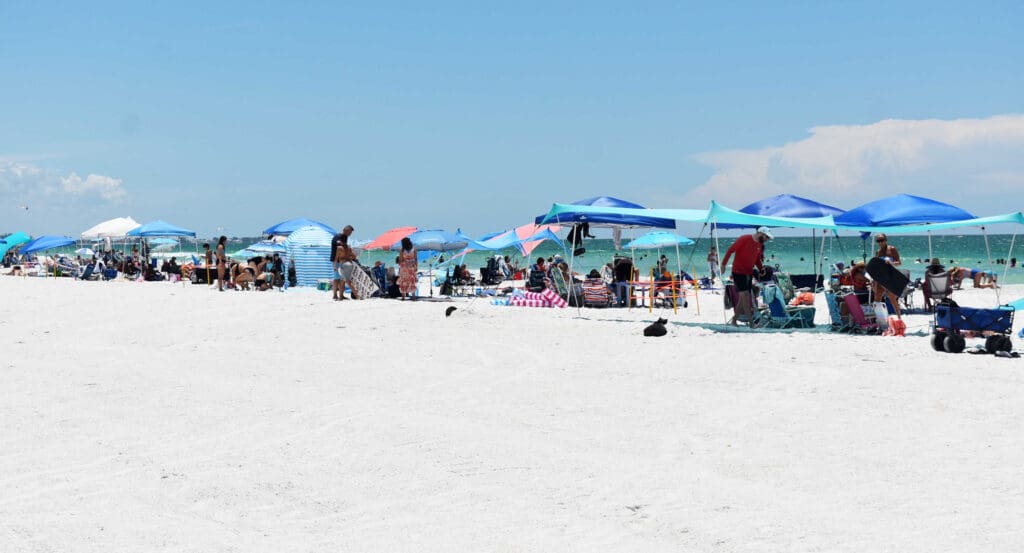
Regarding commercial activity, Vose said any changes desired by the mayor and commission need to be clearly written to continue prohibiting any unwanted commercial activity such as food vendors and other types of rentals.
“You can regulate all of those things and you can prohibit them also,” Vose said.
Participating by phone, Commissioner John Lynch said, “We have a multi-layer problem that we’re trying to solve. We’re not current enforcing the current code, so I think there’s a bunch of work we need to do.”
When opening the discussion for public input, Salem said, “Think of this as your opportunity to help us start thinking about the issues involved on any side of this issue.”
In response to a question from city resident Wendy Smith about boat-based vendors, Short said the city’s jurisdiction only extends 10 feet into the water, with the exception of the vessel exclusion zone offshore of Bayfront Park where motorized vessels are prohibited.
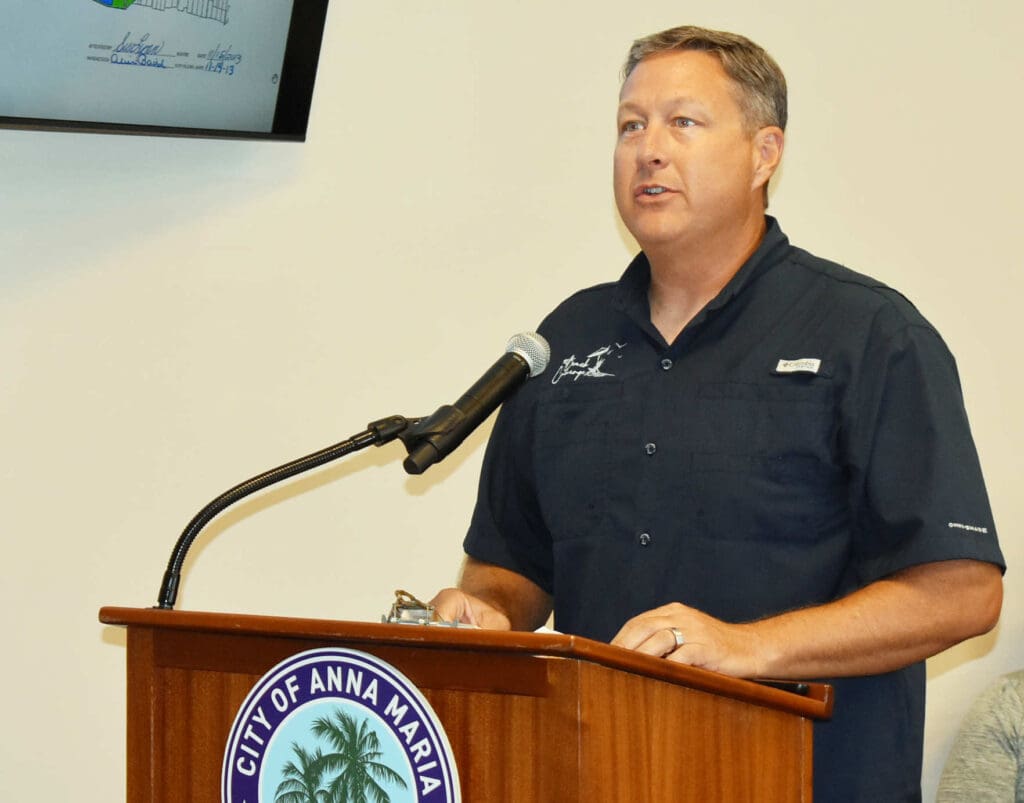
Addressing a concern previously raised in Holmes Beach, My Beach Concierge owner Peery Heldreth said none of the cabana vendors in the commission chambers that day are setting up cabanas that aren’t reserved in advance. Heldreth said his company has a state license, pays monthly sales taxes, carries liability insurance and workers’ compensation insurance. Peery said his company doesn’t set up cabanas on Bean Point. He said his cabanas are commercial grade and he pays his employees $20 an hour, plus tips. He requires his employees to pick up any trash they see on the beach and they’re instructed to stay clear of sea turtle nests. Heldreth asked the mayor and commission to allow the current cabana rental activities to continue while the commission works through these issues.
Anna Maria resident David Ridley said cabanas and tents help protect people from getting skin cancer.
Commissioner Gary McMullen said the city is not enforcing the ordinances on the books and the city hasn’t prevented anyone from putting up a cabana or a tent, but the commission now needs to decide if the existing regulations will be enforced or changed. Short said the commissioners must first decide at a future meeting if they want to keep the current regulations.
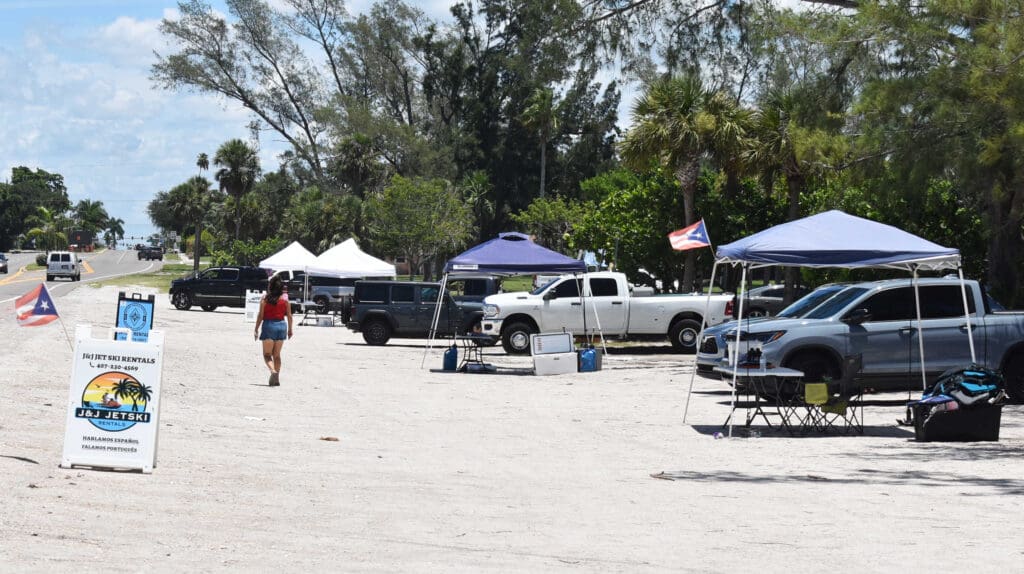
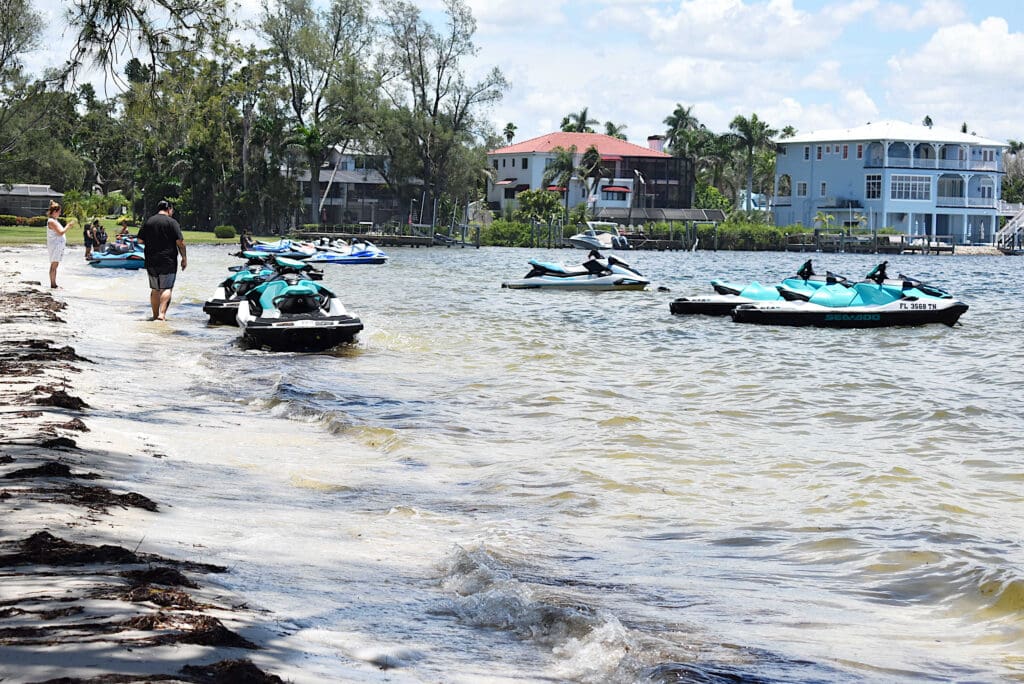
“I do want to be clear about one thing. This is not about just the cabanas. This is about commercial activity in general on the beaches,” Short said. “I don’t want our beaches to turn into the Manatee Avenue causeway. I don’t want horses on the beach. I don’t even want dogs on the beach.”
Dogs are not allowed on Anna Maria Island beaches.
Related coverage:
Holmes Beach officials decline to increase beach cabana regulations
Beach cabana rentals under scrutiny
Mayor concerned about beach cabana rentals