

Tag: nesting season

Sea turtle false crawls on the rise

Sea turtle false crawls on the rise

ANNA MARIA ISLAND – Anna Maria Island Turtle Watch and Shorebird Monitoring reported sea turtle nesting was a little slower this week than last week, and while it’s unclear whether any records will be broken, they are expecting a good year.

Turtle Watch volunteers report seeing a lot of false crawls this season. There have been 357 so far with the season officially beginning on May 1. The record was 831 in 2010.

“False crawls are what we call it when a turtle comes up on the beach but turns around without nesting. There’s no way to truly identify why a turtle false crawled, but sometimes they are spooked by people walking on the beach at night,” Turtle Watch Executive Director Kristen Mazzarella wrote in a June 18 email update.

Sea turtle false crawls on the rise
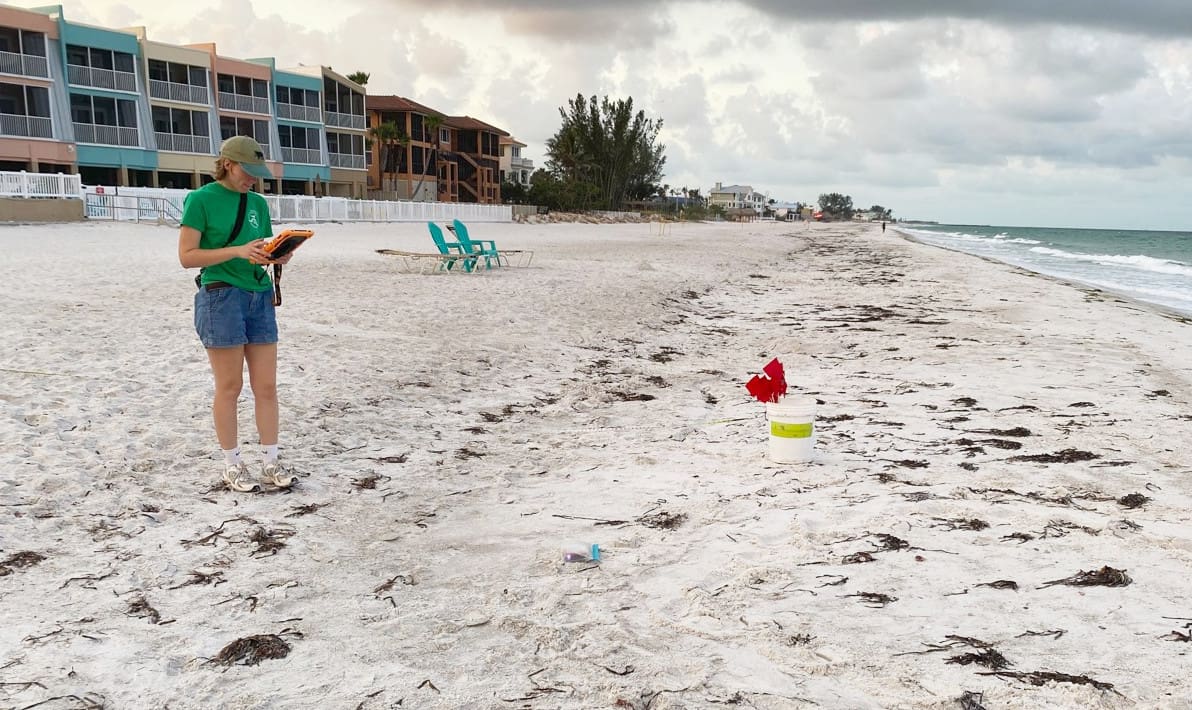
Turtle Watch volunteers find a loggerhead false crawl at Bean Point. -Karen Anderson | Submitted

Turtle Watch conducts their patrols in the morning so as not to disturb nesting turtles and recommends that people stay off the beach at night during nesting season.

“Even the most conscientious person can inadvertently spook a turtle that is coming onto the beach to nest,” Mazzarella wrote. “If you are on the beach at night, please remember not to use white lights on the beach (this includes cell phones and flash photography) and if you use a red light, point it directly at the ground. If you come across a sea turtle, stay at least 20 feet away from the turtle, out of her line of sight.”

NESTING NEWS:

Turtle nests laid: 209 (Record: 543 in 2019)
False crawls: 357 (Record: 831 in 2010)
Nests hatched: 0 (Record: 453 in 2022)
Hatchlings produced: 0 (Record: 35,850 in 2022)
Hatchling disorientations: 0
Adult disorientations: 17
Nests remaining on beach: 209
Source: Anna Maria Island Turtle Watch and Shorebird Monitoring

Turtle, bird nesting seasons in full swing

Turtle, bird nesting seasons in full swing

Anna Maria Island Turtle Watch and Shorebird Monitoring Director Kristen Mazzarella said the past week has been a strong one for local sea turtles and shorebirds.

“There was a great increase in the number of (turtle) crawls over last week,” she said, with the number of nests increasing from six to 48.

A colony of least terns also is doing well, according to Mazzarella.

“The number of nests in the colony has increased to 12 this week” from four last week, she said of the imperiled shorebirds.

She reminded beachgoers to fill holes in the sand and level sandcastles before leaving the beach, so sea turtles do not get trapped, and steer clear of the posted bird nesting area.

On Tuesday, May 28, Turtle Watch will present a Turtle Tracks and Shorebird Facts presentation at noon at Holmes Beach City Hall, 5801 Marina Drive.

The presentation is free and open to the public.


TURTLE TIPS

During sea turtle season, May 1 – Oct. 31, follow these tips to help turtles:

• Turn off lights visible from the beach and close blinds from sundown to sunrise; lights confuse nesting sea turtles and may cause them to go back to sea and drop their eggs in the water, where they won’t hatch. Light can also attract hatchlings away from the water.

• Don’t use flashlights, lanterns or camera flashes on the beach at night.

• Remove all beach chairs and other objects from the sand from sundown to sunrise; they can deter sea turtles from nesting and disorient hatchlings.

• Fill in the holes you dig in the sand before leaving the beach; they can trap nesting and hatching sea turtles, which cannot live long out of the water. You might also accidentally dig into an unmarked nest. To report large holes or other turtle obstacles, call:

• City of Anna Maria code enforcement — 941-708-6130, ext. 111.

• City of Bradenton Beach code enforcement — 941-778-1005, ext. 227.

• City of Holmes Beach code enforcement — 941-778-0331, ext. 260.

• Level sandcastles before leaving the beach; they can block hatchlings from the water.

• Don’t use balloons, wish lanterns or fireworks; they litter the beach and Gulf, and turtles can ingest the debris.

• Do not trim trees and plants that shield the beach from lights.

• Never touch a sea turtle; it’s the law. If you see people disturbing turtles, call the Florida Fish and Wildlife Conservation Commission’s Wildlife Alert hotline at 888-404-FWCC (3922).

Source: Anna Maria Island Turtle Watch and Shorebird Monitoring


NESTING NEWS

Turtle nests laid: 48 (Record: 544 in 2019)

False crawls: 39 (Record: 831 in 2010)

Nests hatched: 0 (Record: 453 in 2022)

Hatchlings hatched: 0 (Record: 35,850 in 2022)

Hatchling disorientations: 0

Adult disorientations: 0

Source: Anna Maria Island Turtle Watch and Shorebird Monitoring

Hurricane ends turtle season early

Hurricane ends turtle season early

ANNA MARIA ISLAND – Turtle nesting season is over early this year, with Hurricane Idalia having left a large dent in nesting numbers.

“Hurricane Idalia had a major impact on our nesting season, causing the loss of 18.5% of this season’s nests,” Anna Maria Island Turtle Watch and Shorebird Monitoring Executive Director Kristen Mazzarella said. “Only one of the nests remaining after the storm hatched and only four hatchlings emerged from that nest.”

Mazzarella said she was grateful that more than 80% of nests – 405 total – had already hatched before the Aug. 31 storm.

“Overall, we did very well with hatchling production this summer,” she said. “Our last nest was inventoried on Oct. 14. The final numbers are still being reviewed and compiled.”

Turtle season officially ends on Oct. 31, but with no more nests on the beach, Turtle Watch is preparing for the 2024 turtle season.

“We have removed all our equipment from the beach, cleaned it and are working on repainting stakes and restocking equipment for next season,” Mazzarella said. “We are double-checking all the data and compiling reports for the county and the state.”

She said Turtle Watch is currently working with the City of Bradenton Beach, Manatee County, and Florida Power and Light to identify problem streetlights and get them switched to turtle-friendly fixtures before next nesting season.

Known as light pollution, lighting near the shore can discourage females from nesting and cause hatchlings to become disoriented, as at least 3,270 hatchlings on the Island did this season.

“Artificial lighting on the beach discourages female sea turtles from nesting. Instead, turtles will choose a less-than-optimal nesting spot, which affects the chances of producing a successful nest,” according to the Sea Turtle Conservancy. “Excess lighting from the nearshore buildings and streets draw hatchlings toward land, where they may be eaten, run over or drown in swimming pools.”

One of the primary goals of Turtle Watch is education and outreach.

“We will be updating our educational materials, working with local schools on creating new ones, and printing enough to distribute to all the local properties and businesses on AMI in March 2024,” Mazzarella said.

Turtle Watch volunteers will staff an educational booth at the City of Anna Maria Farmers Market at City Pier Park on Tuesdays from 8:30 a.m. to 2 p.m. through May 7, 2024.

Sea turtle nesting season is on

Sea turtle nesting season is on

ANNA MARIA ISLAND – Just in time for Mother’s Day, sea turtles that hatched on the Island have begun returning to lay their own nests.

Anna Maria Island Turtle Watch and Shorebird Monitoring (AMITW) identified and marked six turtle nests in the first week of nesting season, which began May 1 and runs through Oct. 31.

These nests are just the beginning; hundreds more are expected this year, which will result in tens of thousands of hatchlings. The record for nests was 544 in 2019, and 2018 saw a record 35,788 hatchlings. However, the majority of the hatchlings will not survive to maturity, primarily due to predators. To maximize their chances of survival, the best thing to do is eliminate obstacles created by humans.

Hatchling turtles are born with an immediate instinct to crawl directly to the water. Obstacles such as beach chairs, trash or deep holes they cannot crawl out of lower their odds of survival. Light from flashlights or camera flashes can disorient both nesting and hatching sea turtles, leading them away from the water, as can light from beachfront buildings.

Five species of sea turtles swim and feed around Anna Maria Island, the most common being the loggerhead, according to Turtle Watch, and all are an integral part of the local ecosystem.

Turtle Tips

During sea turtle season, May 1 – Oct. 31, follow these tips to help turtles:

  • Turn off lights visible from the beach and close blinds from sundown to sunrise; lights confuse nesting sea turtles and may cause them to go back to sea and drop their eggs in the water, where they won’t hatch. Light can also attract hatchlings away from the water.
  • Don’t use flashlights, lanterns or camera flashes on the beach at night.
  • Remove all beach chairs and other objects from the sand from sundown to sunrise; they can deter sea turtles from nesting and disorient hatchlings.
  • Fill in the holes you dig in the sand before leaving the beach; they can trap nesting and hatching sea turtles, which cannot live long out of the water.
  • Deconstruct sandcastles before leaving the beach; they can block hatchlings from the water.
  • Don’t use balloons, wish lanterns or fireworks; they litter the beach and Gulf, and turtles can ingest the debris.
  • Do not trim trees and plants that shield the beach from lights.
  • Never touch a sea turtle; it’s the law. If you see people disturbing turtles, call the Florida Fish and Wildlife Conservation Commission’s Wildlife Alert hotline at 888-404-FWCC (3922).

Related coverage


Nesting News

Turtles dig the dark

Turtle season is on!

From now until Halloween, residents and visitors to Anna Maria Island’s Gulf front and Bay front properties can help threatened nesting and hatching loggerhead and green sea turtles survive by turning off or shielding lights that are visible from the beach and changing light bulbs to turtle-friendly bulbs.

Lighting inspections begin this week, Bradenton Beach Code Enforcement Officer Gail Garneau said, adding that property owners and rental agents should take a proactive approach to monitor their properties for compliance during the nesting sea turtle season, including visiting the beach at night to check the visibility of lights.

The city and Anna Maria Island Turtle Watch and Shorebird Monitoring have literature available to provide to lodgers.

Beachgoers also should avoid using flashlights or cellphones at night, the Florida Fish and Wildlife Conservation Commission (FWC) suggests.

Caring beachgoers can make a significant difference in helping sea turtles survive, said Dr. Robbin Trindell, who heads the FWC’s sea turtle management program.

Lights are not the only issue for turtles.

FWC recommends filling in beach holes, which can entrap nesting and hatching turtles.

In addition, all beach furniture and other beach items must be pulled back behind the dune line from sunset to sunrise to avoid nesting and hatching sea turtles from becoming entangled, Garneau said.

Island cities are required to protect imperiled species such as sea turtles and shorebirds because they have received sand in beach renourishment projects, she said, adding, “The city is mandated to ensure compliance with the regulations and take preventative measures.”

Other ways to help sea turtles include properly disposing of fishing line to avoid entanglements, and reporting those that are sick, injured, entangled or dead to the FWC’s Wildlife Alert Hotline at 888-404-FWCC (3922) or #FWC or *FWC on a cellphone.

Purchase a “Helping Sea Turtles Survive” Florida license plate at www.buyaplate.com, which contributes to sea turtle research, rescue and conservation efforts, or donate $5 and receive an FWC sea turtle decal.

You can also adopt a turtle nest from Anna Maria Island Turtle Watch and Shorebird Monitoring.

Related coverage

Turtle Tips

Flippers and Feathers

Nesting News

White ibis

Shorebird nesting season here

ANNA MARIA ISLAND – When you see terns two by two on the beach and snowy plovers in pairs, it’s a sure sign that shorebird nesting season is here.

Anna Maria Island Turtle Watch and Shorebird Monitoring volunteers have spotted the first pair of nesting snowy plovers this spring on the north end of the Island, Director Suzi Fox said.

Snowy plovers are a threatened species in Florida, as are black skimmers, which also are on the Island for nesting season. Other threatened species that nest on local beaches are the American oystercatcher and the least tern. Threatened species are one step away from endangered status.

Sandpipers
Sandpipers scurry for their evening snack at sunset. – Cindy Lane | Sun

From April 15-21, beachgoers will see Turtle Watch ATVs driving carefully up and down the beaches looking for signs of nesting, so that they can stake off nesting areas to protect the birds, which are easily frightened off their nests – sometimes for good – by people who get too close.

If birds are screeching nearby, you are too close, Fox said, adding that some birds defend their territory with the best weapon they have – bird droppings.

Royal terns
To everything there is a season (tern, tern, tern) – a flock of royal terns frequents the north end of Anna Maria Island at Bean Point, overlooking Egmont Key at the start of nesting season. – Cindy Lane | Sun

Kid initiatives

To keep the beaches safer for birds and sea turtles, which will begin nesting in late April or early May, Turtle Watch volunteers will be picking up plastic beach toys abandoned on the beach and placing them in toy lending boxes at the two public beaches, Manatee and Coquina, for people to use.

“Hopefully, people will use them instead of buying more plastic and leaving it on the beach,” Fox said, adding that the toys will be cleaned regularly.

Beachgoers whose kids use the toys to dig holes in the sand should fill them in before they leave to keep people and sea turtles from falling in them, she said.

To teach local schoolkids about beach wildlife, Turtle Watch plans to lend “traveling teaching trunks” full of education information to local teachers, Fox said.

The organization also will be posting about 60 signs drawn by local schoolchildren on Island beaches instructing beachgoers about beach etiquette around wildlife, an alternative to “stay off the dunes” signs that people don’t seem to notice, she said.

Local children’s artwork also will be featured on notecards available for purchase at Tuesday Turtle Talks, scheduled for 10 a.m. at Waterline Marina Resort, 5325 Marina Drive, Holmes Beach, on April 10 and 24, May 8 and 22, June 5, 12, 19 and 26 and July 3, 10, 17, 24 and 31.

Related coverage

Shorebird gallery

Christmas bird count results in

Bird Tips