

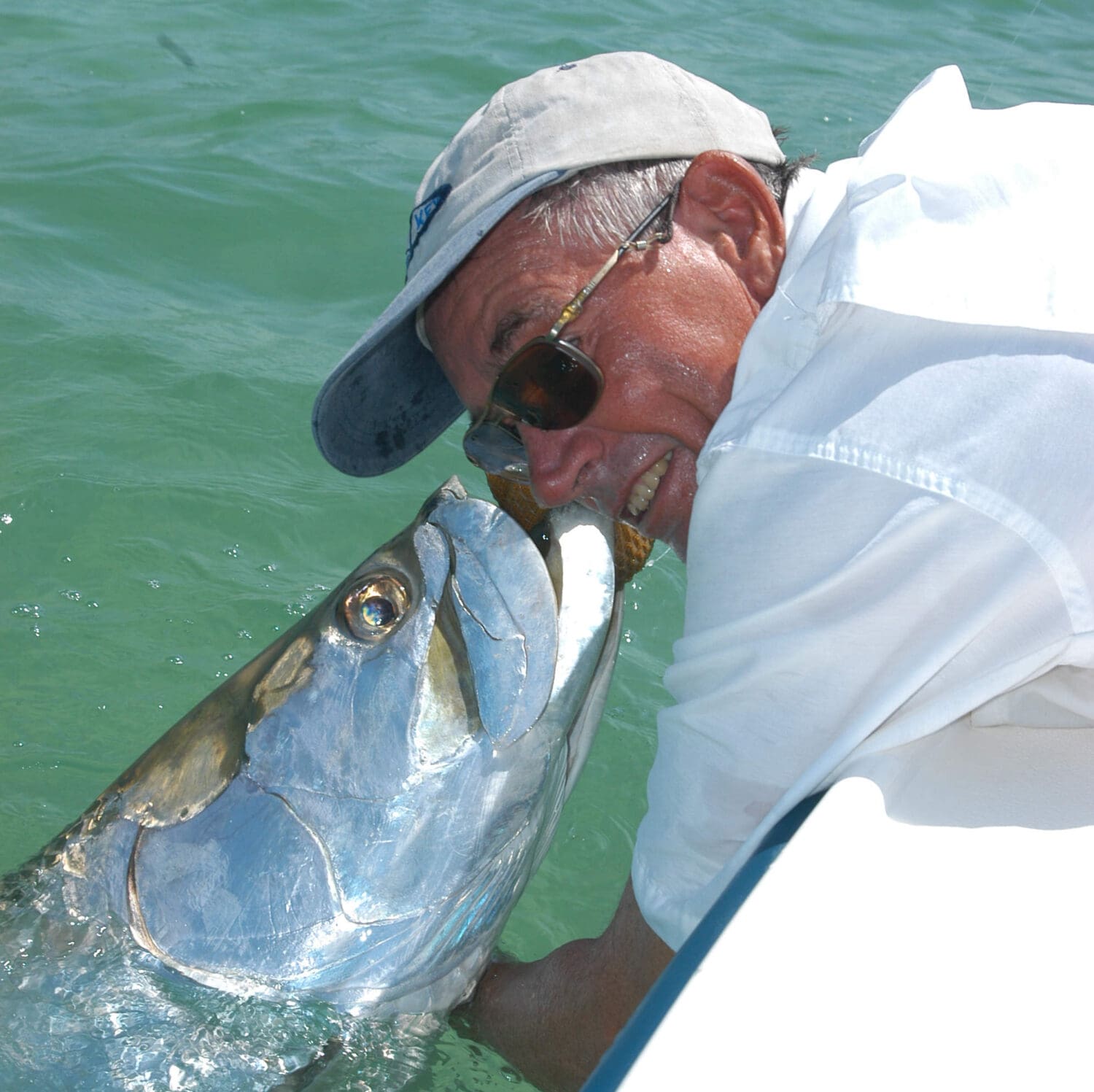
Tag: catch and release

Invest in catch and release

Invest in catch and release

The ethic of catch and release isn’t a new concept. Even in the early part of the 20th century, far-sighted anglers could see the potential for depleted fisheries. Over the last couple of decades, I thought it should be apparent to today’s anglers that there isn’t an inexhaustible well of fish in our waters. We’ve worked to make redfish a gamefish and fought battles to limit netting while making a commitment to be better stewards by agreeing to reasonable restrictions on size and bag limits. We’ve been better educated in the press and at the docks about limiting our catch and being less concerned about catching our limit.
After all the time and energy that concerned anglers spent in the 90s and early 2000s fighting to protect our fisheries, it seemed we had “rounded a corner.” Now it’s apparent that the job is never done as an influx of anglers, loss of habitat, climate change and water quality issues continue to pressure Florida’s fisheries. This makes it even more important to educate everyone on the importance of protecting the marine environ­ment, and anglers in particular on catch and release tools.

For anglers who worked hard in the past to protect fisheries, the job is never done. It’s important that we make sure the “release ethic” continues by inspiring new generations of anglers. It’s also important to continue to educate anglers on proper release techniques so they can release fish that are out of season, unwanted or undersized. Effective tools and procedures exist to assure that when properly handled, the major­ity of fish we release will survive to reproduce and fight again.

A fish’s chances of survival will be greatest if they are played to the boat and released quickly without removing them from the water. One of the easiest ways to assure this is to flatten the barbs on hooks. If constant pressure is applied during a fight, the hook will not back out. Once the fish is at boat side, it can be easily released without ever touching it using a “dehooker.”

Use proper tackle, de-barb hooks and be prepared to release fish quickly. Fishing is a great experi­ence and deserves to be passed along to future generations. Catch and release is a good investment in a prosperous fishing future, but it’s an ethic that needs to be passed along to new generations of anglers.

Reel Time: Catch and release redux

Reel Time: Catch and release redux

Catch and release is a term I haven’t heard much recently. I’ve actually seen postings on social media that make me wonder if maybe this important conservation tool needs to be revisited. Catch and release wasn’t commonly discussed in saltwater sport-fishing circles when I was growing up. It became prevalent when fish populations became stressed in the late 1980s and organizations like the Florida Conservation Association (now the Coastal Conservation Association) were being formed. Slowly, it caught on as an important tool to help flagging fisheries rebound.

Most anglers I know who practice catch and release have no problem with taking an occasional fish home for dinner. It’s more about enjoying the sport and trying to be proactive in helping it to remain healthy and viable. There are many species that have little or no food value that anglers seldom intentionally kill. But catch and release is not just about releasing fish that you don’t want, it’s also about releasing undersized and unwanted species. Catch and release is a wise use of the resource and that’s why it’s important that anglers know how to handle fish properly from hook set to release.

When we get cut or bruised, we can head for the local drug store, or in more extreme cases the emergency room. Not so for fish. In their world, it’s the sick and wounded that fall prey to predators. Releasing fish with a minimum of damage is important with a 6-pound trout, a 150-pound tarpon and everything in between.

Start by making sure you’re using the right tackle for the species being pursued. Trying to land a 100-plus pound tarpon on 20-pound tackle might be okay if you’re experienced, but to the uninitiated, it’s like announcing a free meal to sharks that ply local waters looking for weak or injured prey. You want to enjoy the action but land the fish as quickly as possible. Once you have the fish under control, it’s best to never take them out of the water.

It might be necessary to revive big fish. That’s best accomplished by slowly motoring forward while holding the fish underwater. They’ll let you know when they’re ready to be released.

The hook is another important consideration. Some anglers don’t like to bend their barbs down because they’re afraid of losing the fish. The key to keeping fish on a barbless hook is keeping a tight line. When you’re ready to remove the hook, use a de-hooker.

De-hookers will prevent you from having to handle your catch, keep your hands clean, prevent you from inadvertently harming the fish’s protective mucus membrane and come in various shapes depending on use. The simplest is J-shaped and removes hooks in or near the jaw. A circular-shaped longer version allows anglers to remove hooks that are deep in the throat of a fish. A set of pliers can also be used if the hook is easily accessible.

Anglers who fish for reef fish like snapper and grouper need to learn how to “vent” fish with inflated swim bladders. Bringing the fish up from deep depths quickly bloats their bladder, which has to be punctured to allow the fish to return to the bottom. For bigger, hard-to-vent fish like Goliath grouper, new technology uses a descender device to get them back down in good shape. Visit the Return ‘Em Right project web page to learn how to use the device and get one for free.

By being prepared, anglers can use proper catch and release methods to increase a fish’s chance of survival. Taking the time and having the tools and knowledge to release fish properly is a great way to help ensure healthy fish populations both now and in the future. Catch and release is an important concept that needs to be practiced and discussed among anglers.

Reel Time: Catch and release

Reel Time: Catch and release

Catch and release used to be a relatively new concept in sport fishing, one that recognized that fish populations are vulnerable and not the endless resource that they were once thought to be. Now the concept is commonplace and has even spawned a sort of backlash, as the “I Kill Fish” sticker on the back of a truck I saw recently attests.

Fishermen who fish mostly for fun have been criticized because many see catching and releasing fish as playing with fish. Anglers, unlike hunters, can pursue their passion and release their prey. Both hunters and anglers are quite often great champions of their respective passions and invest their time and money in protecting the habitat and well-being of fish and animals.

Most anglers I know who practice catch and release have no problem with taking an occasional fish home for dinner. It’s more about enjoying the sport and trying to be proactive in helping it to remain healthy and viable. There are many species, notable among them tarpon, that anglers seldom, if ever, kill. Catch and release is not just about releasing fish that you don’t want, it’s also about safely releasing undersized fish or species that aren’t valued at the table. Catch and release in any form is a wise use of the resource, but unfortunately, many anglers don’t know how to properly handle fish.

When we get cut, bruised or battered we can head for the local drug store, or in more extreme cases the Emergency Room. Not so for fish. For them, it’s heal or die, and in their world, it’s the sick and wounded that first fall prey to predators. What a shame to do the right thing, releasing a big speckled trout full of roe, only to have it eaten by a shark, barracuda or other predator because it wasn’t handled properly.

The first step I would suggest is to make sure you match tackle to the task. Trying to land a big tarpon on 20-pound tackle might be OK if you’re experienced, but to the uninitiated, it’s like announcing a free meal to the sharks that ply local waters looking for weak or injured prey. Enjoy the action, but land the fish as quickly as possible. Once you have the fish subdued, the best course is to never take them out of the water. If you’ve been fighting them for a long time (think tarpon), make sure you revive them properly. If you can reach the water over the gunwale, slowly move the boat forward while holding the fish firmly but lightly. This forces water and oxygen through their gills and helps them recover from oxygen depletion. They’ll let you know when they’re ready to go.

The hook is probably the next most important consideration. Either a circle hook or a barbless hook is usually best for anglers and their fish. The key to keeping fish on a barbless hook is to keep the line tight. Circle hooks are recommended for inexperienced anglers and on fish that tend to swallow the hook, like speckled trout. Fish secrete a protective coating that covers the scales and skin. This slime coat acts as a defense against invasion by bacterial, parasitic and fungal pathogens. Whatever hook you use, a de-hooker will keep your hands safe and clean, preventing you from inadvertently harming the fish’s protective slime coat and protecting hands from sharp gills and teeth. De-hookers come in various shapes depending on how they’re used. The simplest is J-shaped and removes hooks in or near the jaw. A circular-shaped longer version allows anglers to remove hooks that are deep in the throat of a fish or in the jays of a big fish like a barracuda.

Anglers who fish for reef fish like snapper and grouper need to learn how to “vent” fish with inflated swim bladders. Bringing the fish up from deep depths fast bloats the bladder, which has to be punctured to allow the fish to reach the bottom. A good presentation of the process is available online.

Anglers that release a trophy-sized fish may want to take home a picture. Here are a few tips that will help you record your catch. Set your exposure in advance and have an idea where in the boat you want to take the picture. The best picture for the fish would be when it’s still in the water, but if you do remove the fish, hold it horizontally, with one hand near the head, and the other hand under the fish’s belly to support its weight. Holding a fish vertically puts a strain on the internal organs and can potentially dislocate its jaw. This is particularly important with large fish. Lastly, eliminate any extraneous objects like rods and focus in on the subject.

By being prepared we can get the fish back in the water fast, thus ensuring its chances of survival. Taking the time and having the tools and knowledge to release fish mindfully is a great way to help ensure we have a healthy population of fish now and into the future.

Reel Time: What happened to catch and release?

Catch and release used to be a topic that came up often in fishing circles. The idea was to educate anglers that fish populations are finite and not the bottomless resource that they were once thought to be. For a time it seemed the idea was relatively commonplace. Now a look at Instagram and Facebook posts might have you wonder what happened.

Lately, a lot of posts of dead fish are appearing that seem to be taken more to impress others and get likes than to provide a meal. With increased angling pressure, burgeoning populations and serious water quality issues, proper catch and release methods are more important now than ever. Fish that aren’t headed to the dinner table should be given the best chance of living, reproducing and sustaining threatened populations.

Releasing a tarpon
Keeping big fish like tarpon in the water is critical. Andy Mill measures a tarpon while Captain Doug Kilpatrick assists. – Rusty Chinnis | Sun

When we get cut, bruised or break a leg, we can head for the local drug store, or, in more extreme cases, the emergency room. Not so for fish. For them, it’s heal or die, and in their world, it’s the sick and wounded that first fall prey to predators. What a shame to do the right thing, releasing a big, speckled trout full of roe, only to have it eaten by a shark, barracuda or other predator because it wasn’t handled properly.

Fishermen have been criticized because catch and release fishing is seen by some as playing with fish. Anglers, unlike hunters, can pursue their passion and release their prey.
Most anglers I know who practice catch and release have no problem with killing fish occasionally to take home for dinner. Responsible anglers and hunters are often on the front lines protecting the habitat and welfare of fish and animals. It’s more about enjoying the sport and trying to be proactive in helping it to remain healthy and viable.

There are many species, notable among them, tarpon, that anglers seldom, if ever, kill. Catch and release is not just about releasing fish that you don’t want, it’s also about properly releasing undersized fish or species that aren’t valued at the table. Catch and release in any form is a wise use of the resource, but unfortunately, many anglers don’t know how to properly handle fish.

Here are a few tips. First, make sure you match the tackle to the species you’re fishing for. Trying to land a big tarpon on 20-pound tackle might be OK if you’re experienced, but to the uninitiated, it’s like announcing a free meal to sharks. Enjoy the action, but land the fish as quickly as possible. Once you have the fish subdued, if possible, never take them out of the water.  If you’ve been fighting them for a long time (think tarpon) make sure you revive them sufficiently. If you can reach the water over the gunwale, slowly move the boat forward while holding the fish. This forces water and oxygen through their gills. They’ll let you know when they’re ready to go.

The hook is probably the next most important consideration. A barbless hook is best for fish and anglers alike. The key to keeping fish on a barbless hook is to keep the line tight. The other important factor you should consider is hooking yourself. A barbless hook is far easier to remove from a finger or an ear. Another option is a circle hook that helps prevent “gut” hooking fish.

A de-hooker is a tool anglers should always have at hand. It keeps your hands clean and prevents you from inadvertently harming the fish. Fish have a viscous coating that covers their scales and skin and acts as a defense against the invasion of bacterial, parasitic and fungal pathogens. De-hookers come in various shapes depending on how they’re used. The simplest is J-shaped and removes hooks in or near the jaw. A circular-shaped longer version allows anglers to remove hooks that are deep in the throat of a fish.

Anglers who fish for reef fish like snapper and grouper need to learn how to “vent” fish. Reeling fish from deep water inflates their swim bladders. Unless this bladder is punctured the fish is unable to swim back to the bottom. Search YouTube for the Florida Sea Grant video that explains the venting procedure.

Taking the time and having the tools and knowledge to release fish mindfully is one way to help ensure we have a healthy population of fish now and into the future. Let’s bring catch and release back as a topic of conversation.

catch and release moore

Local captains support catch-and-release order

ANNA MARIA ISLAND – Local charter fishing captains support the Florida Fish and Wildlife Conservation Commission’s (FWC) executive order that temporarily imposes catch-and-release restrictions on snook and redfish because of red tide.

Issued by the FWC Executive Director Eric Sutton on August 30, the executive order applies from the northernmost point of Anna Maria Island in Manatee County to Gordon Pass in Naples and Collier County.

Sutton’s order is scheduled for review and additional discussion at the FWC Commission’s Sept. 26 meeting.

“I support Eric Sutton’s decision to implement the executive order as we continue to manage this world-class fishery for future generations. We will continue working with our partners and will evaluate next steps at our commission meeting,” FWC Chairman Bo Rivard said in the FWC news release.

“We’ve seen the devastation of redfish and snook populations in southwest Florida and we support the catch-and-release initiative taken by FWC,” said Brian Gorski, executive director of the Coastal Conservation Association Florida (CCA).

“We’ve heard support from members and guides throughout the state who also understand the need for such a change to ensure that generations to come can enjoy the thrill of catching one of these iconic species.”

Local reaction

Holmes Beach resident charter fishing Captain Scott Moore has been fishing the local waters near Anna Maria Island for more than 40 years, and he supports the catch-and-release order.

“If they limit snook and redfish to catch-and-release for one season, that will give those fish a chance to rebound and it won’t hurt anybody economically. There’s plenty of other fish to eat. We’ve got mackerel, beautiful mangrove snapper, trout and other fish that are eatable. With my customers, we’ll go catch and release a few snooks and then we’ll go catch some snapper and Spanish mackerel to take home to eat,” Moore said.

“From Tampa Bay south, the reoccurring red tide has really knocked down the population of snook and redfish. What we want to do is give them a break and preserve what’s out there so they can spawn,” he said.

“Snooks, from here south, had significant brood stock snook killed because of the time of the year we had the red tide. In June, they had horrific red tides south of here and it killed those fish that were spawning in the passes. Right now, redfish are going out in the Gulf to spawn, which I’m very concerned about. Redfish spawn in September, October and into November. If that red tide is lying offshore it will kill the brood stock,” Moore said.

Local charter Captain Nate Weismann supports the catch-and-release order.

“I do not allow clients to harvest snook, and starting about nine months ago, I stopped keeping redfish as well. I just don’t feel good killing these fish given the number of them here locally. Redfish stocks have seemed to decline sharply in the last several years. I would’ve loved to see the FWC extend the emergency closure to trout as well,” he said.

Weissman said he’s seen a 75 percent decline in business in August and September due to the red tide.

“It literally happened overnight,” he said.

Local charter Captain Carson Wooten supports the catch-and-release order.

“It’s a positive thing for the fishery in our area. For me, it doesn’t really make a difference as far as it being closed on those two species. I always encourage catch-and-release on my charters anyways, but if they want to keep a couple fish, there are plenty of other fish to keep such as trout, snapper, mackerel and flounder,” he said.

Captain Lance Plowman said the catch-and-release order does not impact Cortez Deep Sea Fishing and others whose fishing excursions go much further out in the Gulf.

“You’ll see redfish sometimes at three miles out, but snook you don’t really catch past the beach. They go out deep and spawn, but you don’t really catch them out there.”

When asked how the red tide is impacting the local deep sea fishing industry, Plowman said, “Other than people not being here, it’s not affecting us at all.”

Reel Time

Catch and release: Pass it on

Talk of catch and release was once common among anglers. These days I’m seeing and hearing less about it and some of the postings in social media make me wonder if this important conservation tool needs to be revisited.

Catch and release wasn’t always something you heard about around sportfishing circles. It became prevalent when fish populations became stressed in the late 1980s and organizations like the Florida Conservation Association (now the Coastal Conservation Association) were being formed. Slowly it caught on as an important tool to help flagging fisheries rebound.

Most anglers I know who practice catch and release have no problem with taking an occasional fish home for dinner. It’s more about enjoying the sport and trying to be proactive in helping it to remain healthy and viable. There are many species that have little or no food value that anglers seldom intentionally kill.

But catch and release is not just about releasing fish that you don’t want; it’s also about releasing undersized species. Catch and release is a wise use of the resource, but, unfortunately, many anglers don’t know why it’s important or how to properly handle fish.

When we get cut or bruised, we can head for the local drug store or in more extreme cases the emergency room. Not so for fish. For them it’s heal or die, and in their world it’s the sick and wounded that fall prey to predators. It’s a shame not to release a big speckled trout full of roe, but worse when you do and it’s eaten by a shark, barracuda or other predator because it wasn’t handled properly. Releasing fish with a minimum of damage is important with a 6-pound trout, a 150-pound tarpon and everything in between.

The first thing to do is make sure you’re using the right tackle for the species being pursued. Trying to land a 100-plus-pound tarpon on 20-pound tackle might be OK if you’re experienced, but to the uninitiated it’s like announcing a free meal to sharks that ply local waters looking for weak or injured prey. You want to enjoy the action, but landing fish as quickly as possible is important to their survival.

Once you have the fish subdued, the best course is to never take them out of the water. If you’ve been fighting a big fish, like a tarpon, for a long time make sure you have revived them alongside the boat. This is best done by slowly moving the boat forward while holding the fish. This forces water and oxygen through their gills. They’ll let you know when they’re ready to go. Other fast-swimming fish like little tunny, kingfish and Spanish mackerel need to be released quickly and launched head first to give them a head start.

The hook is another important consideration. Circle hooks and barbless hooks are good for anglers and fish. Circle hooks are a must for fragile fish that tend to swallow hooks, speckled trout being a good example. These hooks are designed to lodge in the fish’s jaw and there’s no need to set the hook.

Once a circle hook is set it seldom comes out. Some anglers don’t like to bend their barbs down because they’re afraid the fish will spit the hook. The key to keeping fish on a barbless hook is to keep the line tight. Whatever hook you use, a de-hooker will prevent you from having to handle your catch, keep your hands clean and prevent you from inadvertently harming the fish’s protective mucus membrane.

Fish secrete a protective coating that covers the scales and skin. This acts as a defense against invasion by bacterial, parasitic and fungal pathogens. De-hookers come in various shapes depending on how they’re used. The simplest is J-shaped and removes hooks in or near the jaw. A circular shaped longer version allows anglers to remove hooks that are deep in the throat of a fish.  A set of pliers can also be used if the hook is easily accessible.

Anglers who fish for reef fish like snapper and grouper need to learn how to vent fish with inflated swim bladders. Bringing the fish up from deep depths quickly bloats their bladder, which has to be punctured to allow the fish to reach the bottom. A good presentation of the process can be found on YouTube.

Anglers that release a trophy-sized fish may want to take home a picture. Some forethought will assure a good image and a healthy fish. Set your exposure in advance and have an idea where in the boat you want to take the picture. The best option, especially for large fish like tarpon, would be while it’s still in the water. If it’s a smaller fish and you do remove it from the water, hold it horizontally with one hand near the head and the other hand under the fish’s belly to support its weight. Holding a fish vertically puts a strain on the internal organs and can potentially dislocate its jaw. This is particularly important with larger fish.

By being prepared, anglers can release their catch fast helping to ensure its chances of survival. Taking the time and having the tools and knowledge to release fish properly is a great way to help ensure a healthy resource both now and in the future. Catch and release is an important concept that needs to be practiced and discussed among anglers.