Tag: beach cabana rentals

Anna Maria adopts revised commercial beach activity regulations 

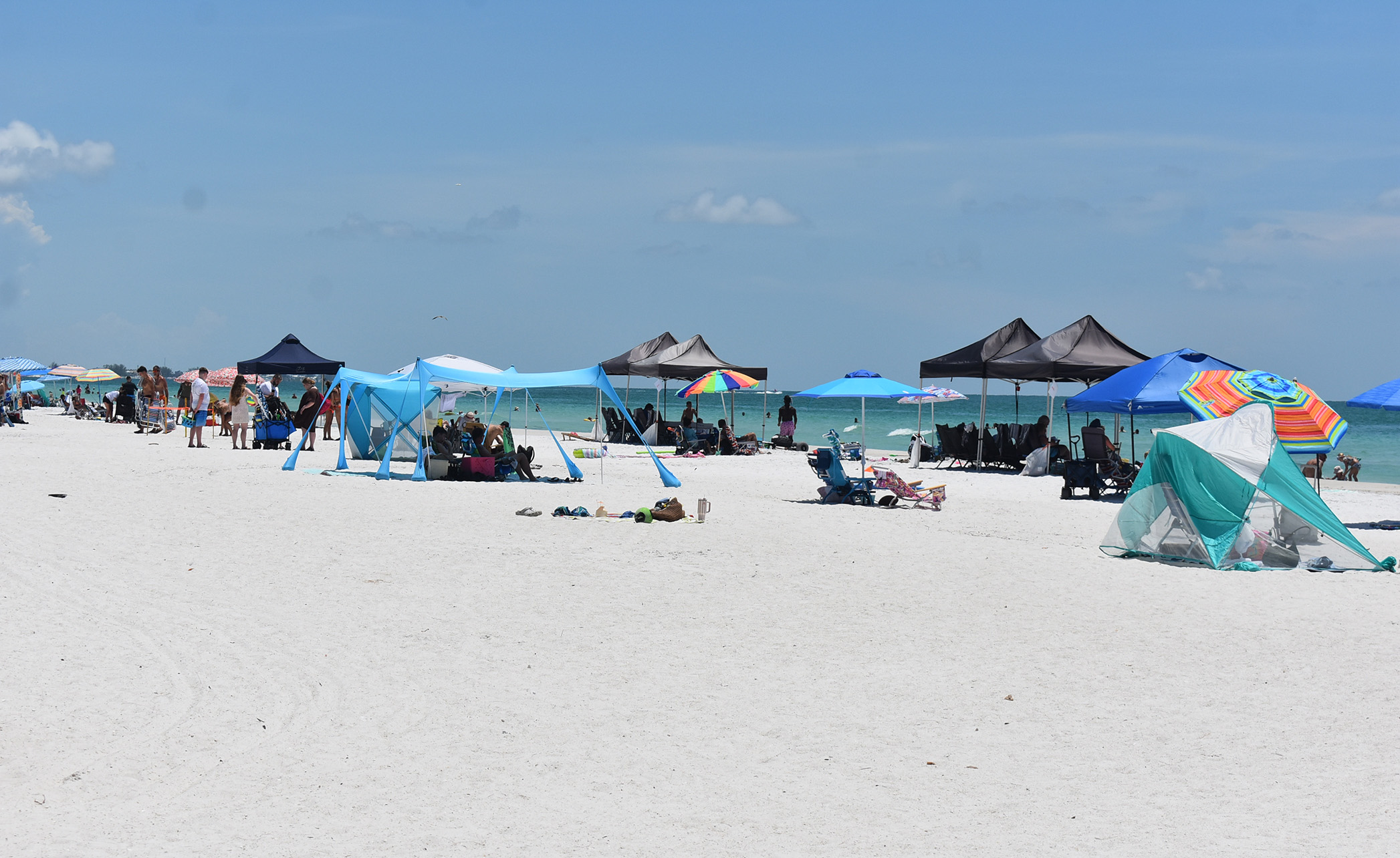
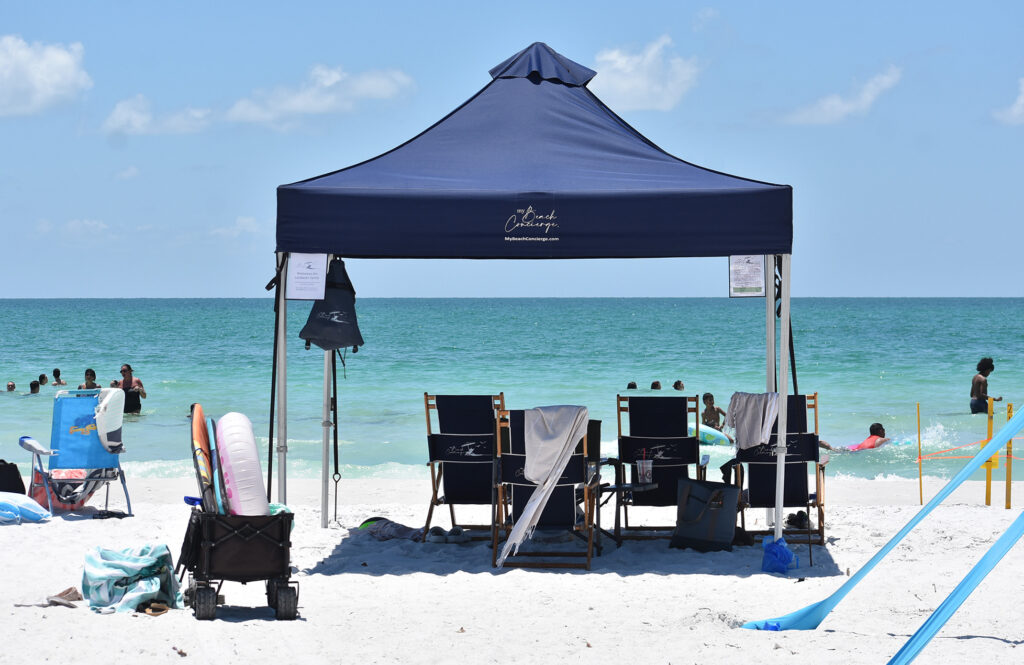
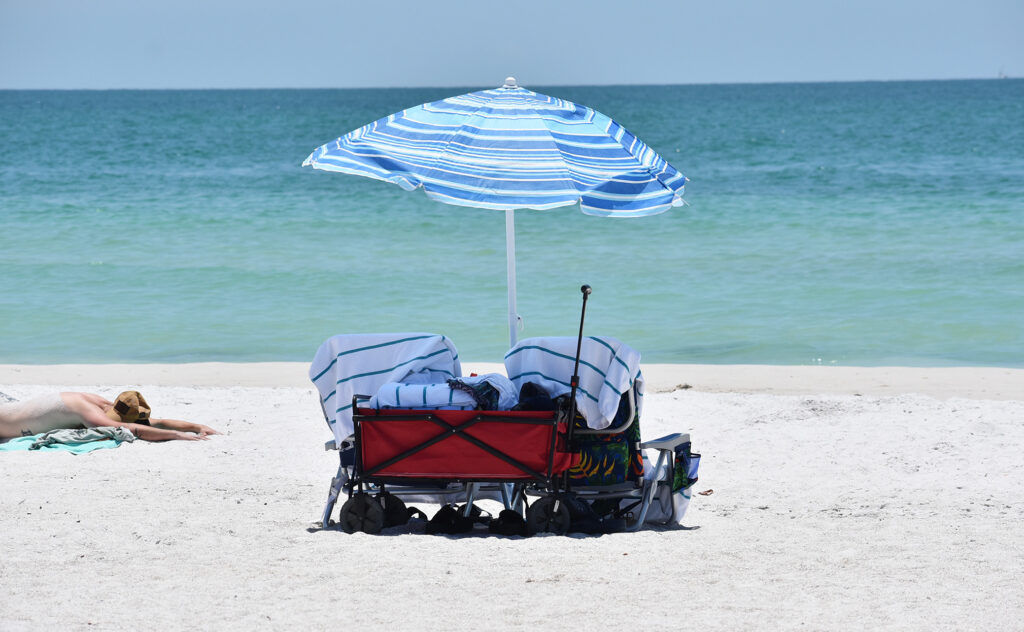
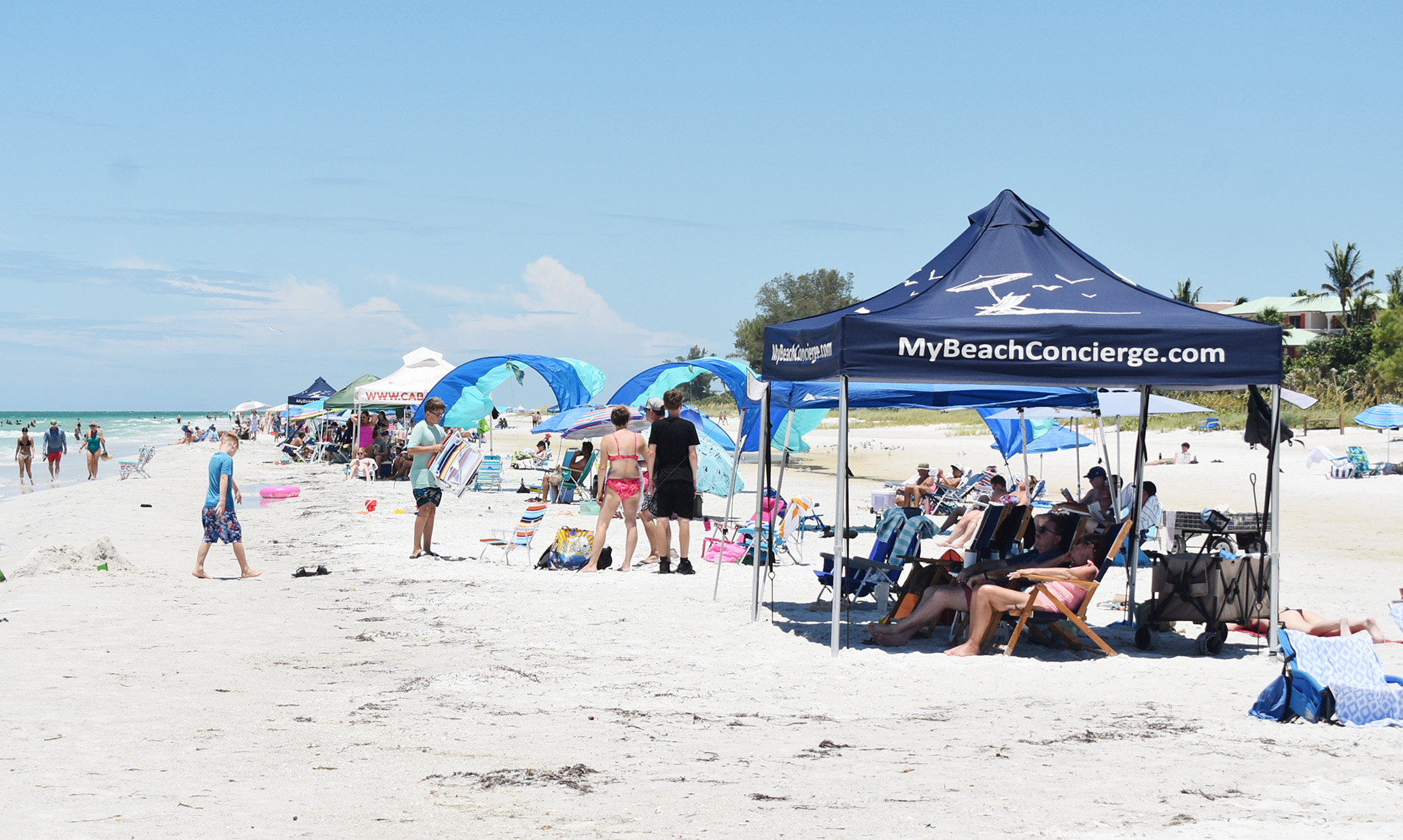
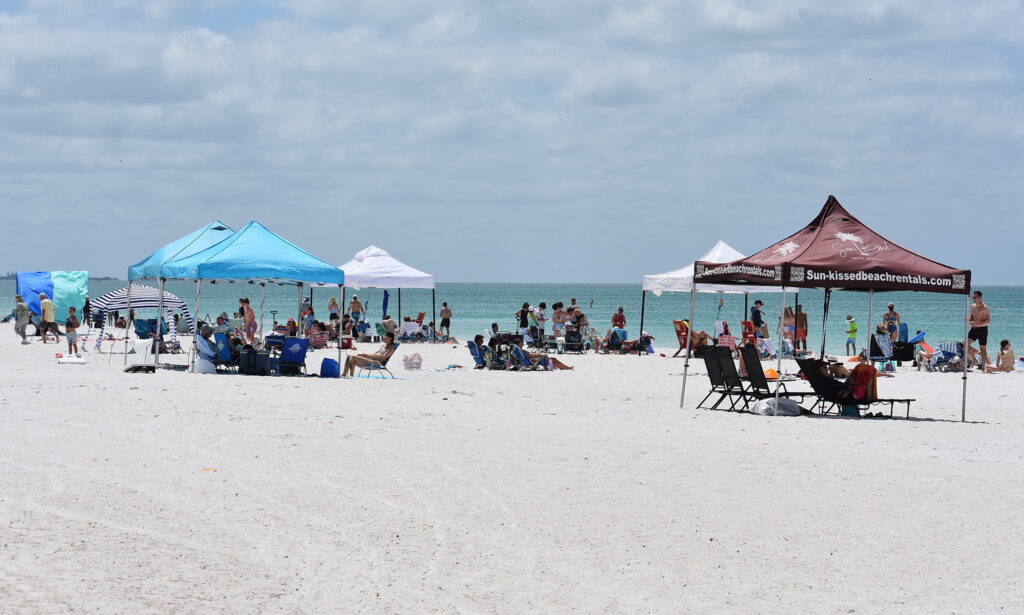
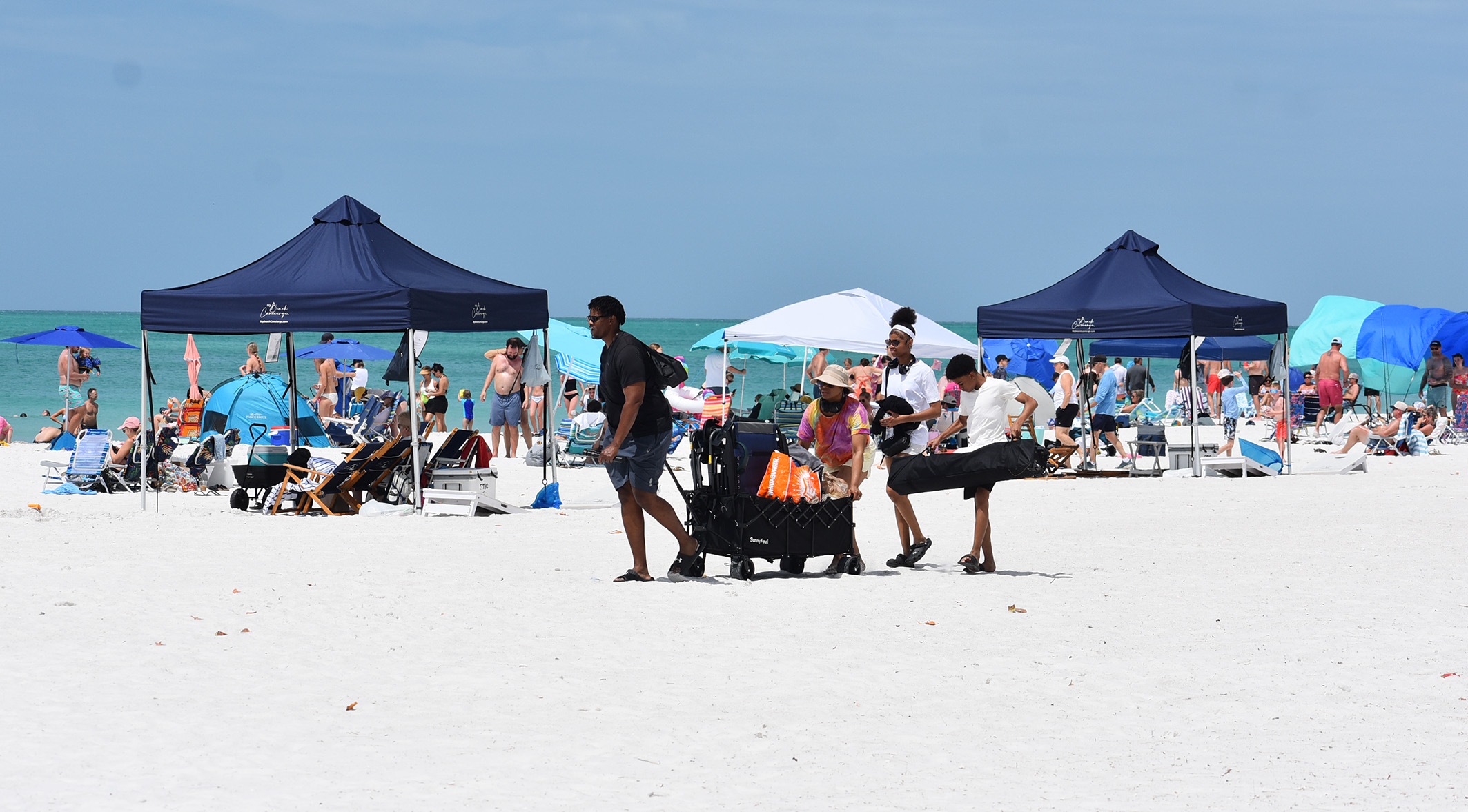
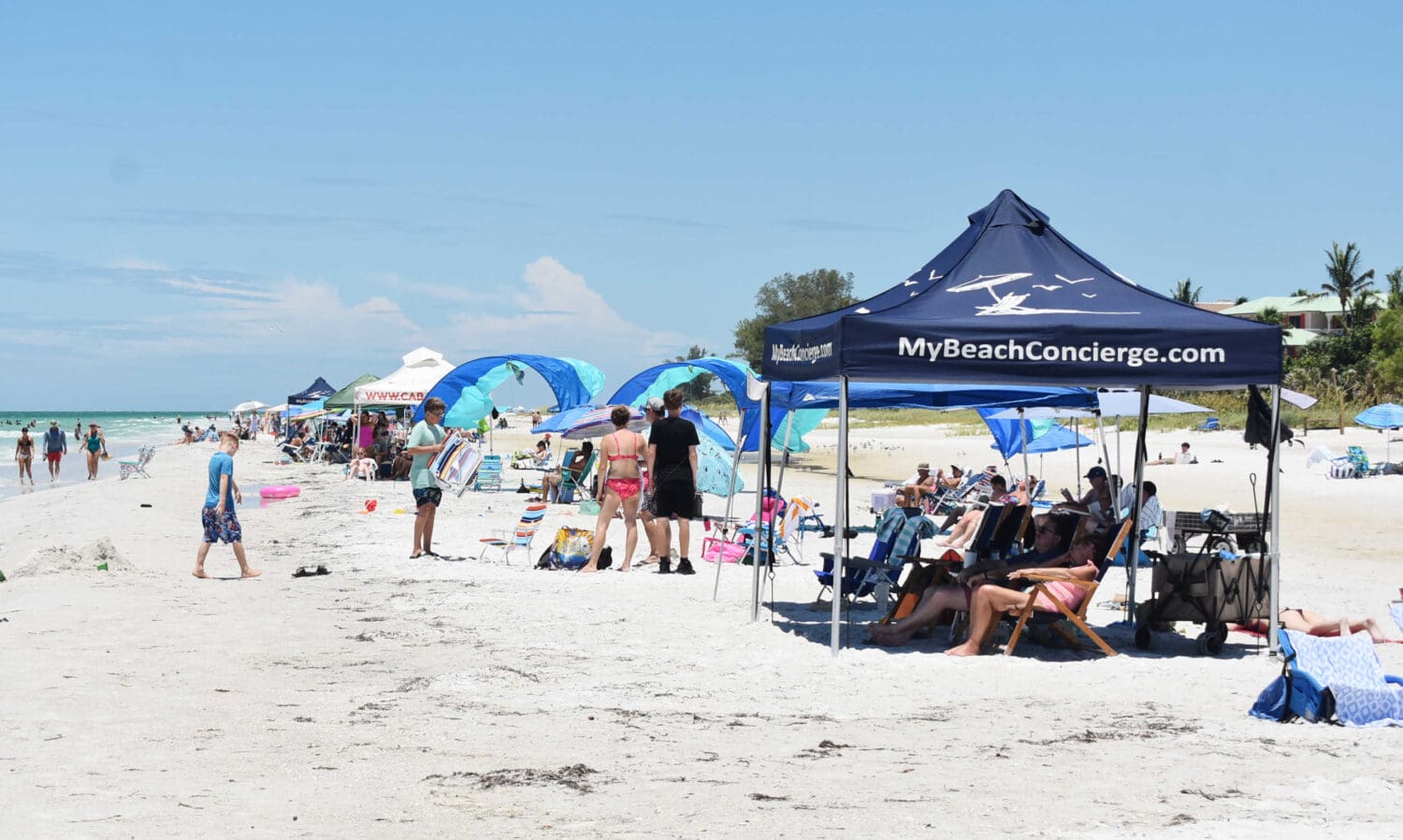
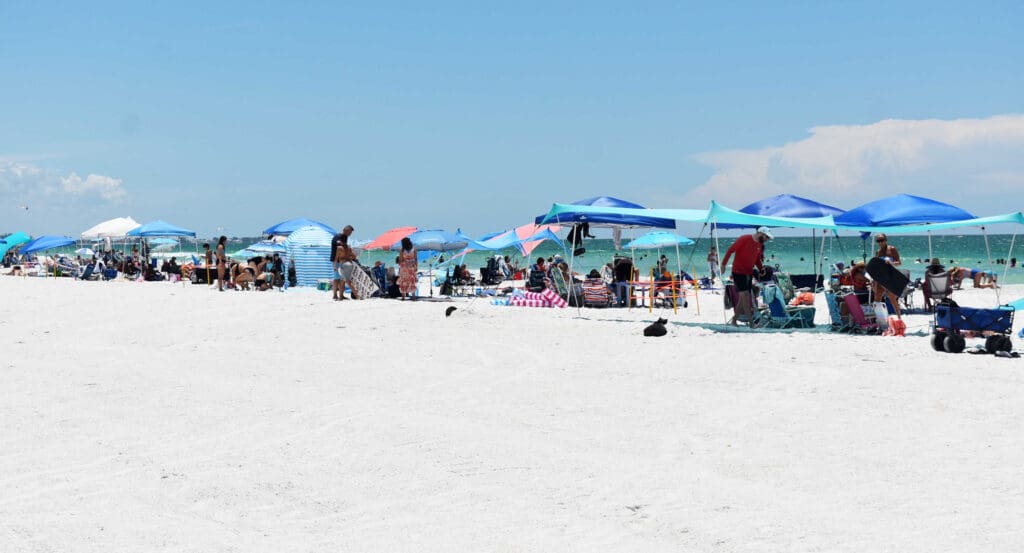
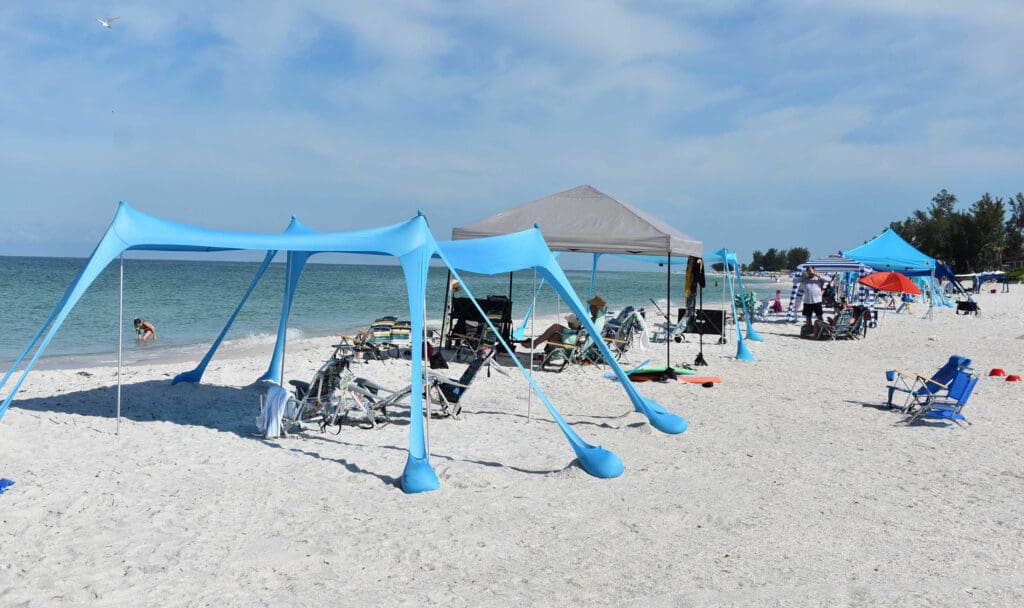
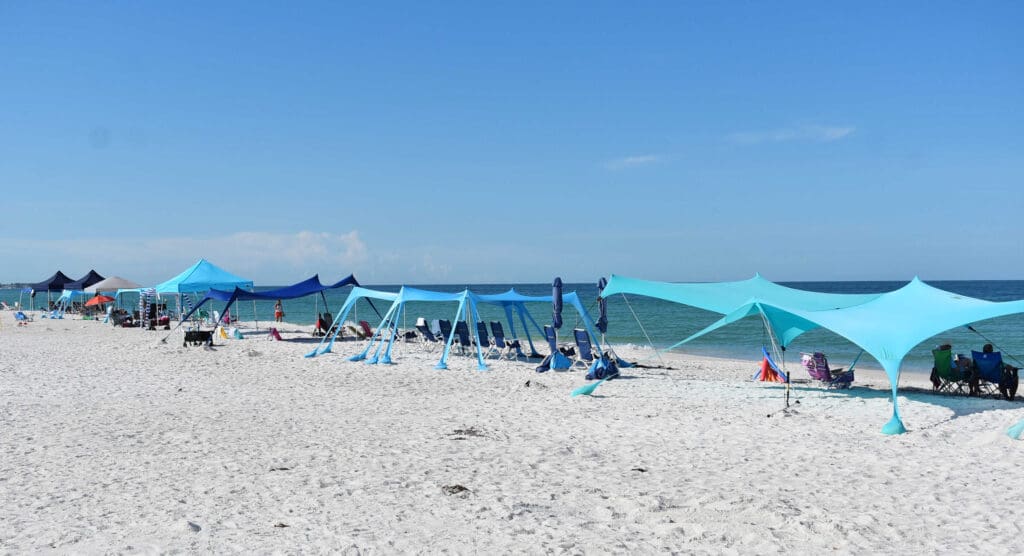
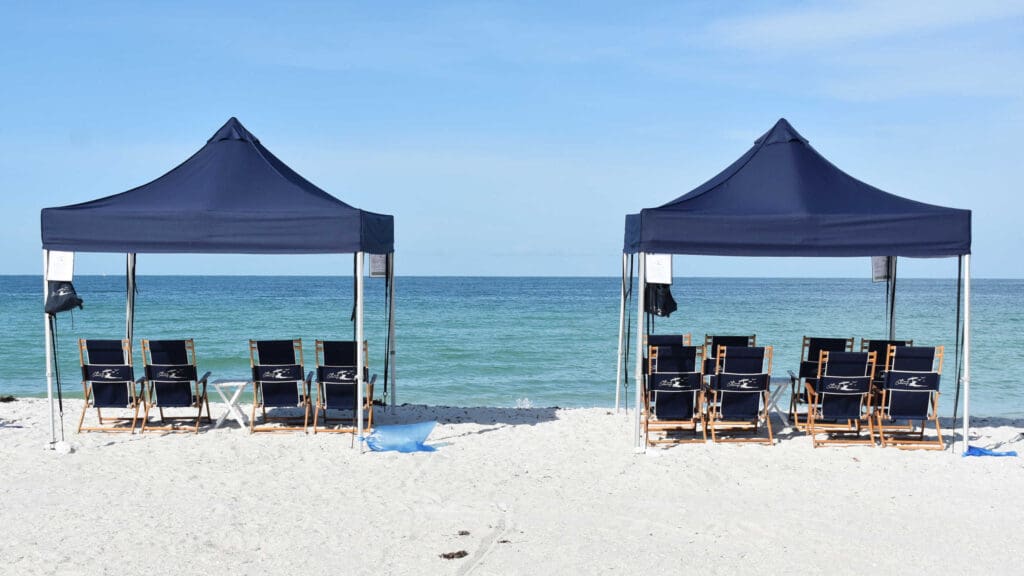
ANNA MARIA – The Anna Maria City Commission has updated the city’s recently enacted commercial beach activity regulations that pertain to temporary shade structures (aka rented cabanas, tents and umbrellas). 

The revised city regulations that first took effect on March 15 allow certain commercial beach activities to be conducted only in the recreation open space-zoned Gulf Front Park area that extends from the northerly side of Magnolia Avenue to the southernly side of Oak Avenue in Anna Maria. 

According to Mayor Mark Short, as stated on March 12, non-commercially rented temporary shade structures are still allowed in the coastal conservation-zoned public beach areas that include the beach areas near the Sandbar restaurant and the beach areas at and near Bean Point. 

On Thursday, March 26, the commission adopted ordinance 26-956, an ordinance that was presented on first reading during the commission’s March 12 meeting. Ordinance 26-956 amends the Chapter 38 city code provisions set forth in a similar ordinance adopted on Feb. 26 (Ordinance 26-952), after many months of public discussion and debate.

After adopting Ordinance 26-956 with no additional commission discussion or public input given on March 26, the mayor and commission were then presented with the first reading of Ordinance 26-958, an ordinance that when adopted on second and final reading will establish a registration program for service providers. 

Similar to the city’s short-term vacation rental program, the registration fees will be established each year by the commission’s adoption of a fee-related city resolution. The second reading of the registration ordinance is expected to be presented for second and final reading on Thursday, April 9.

The proposed registration ordinance also contains provisions that would allow beachfront property owners to utilize commercially delivered, set up and removed cabanas, tents, umbrellas and other allowed items on their privately-owned, coastal conservation-zoned upland properties, but they must provide the city with 18 hours’ advance notice before doing so. 

ADOPTED REGULATIONS

First presented on March 12 and adopted in March 26, one of the whereas clauses contained in Ordinance 26-956 says, “The city commission has determined that the (previously adopted) ordinance should be clarified to expressly state that a Commercial Rental Area is permitted for purposes of renting temporary shade structures as defined in the ordinance.”

According to the adopted ordinance, “A Commercial Rental Area for the purposes of renting temporary shade structures is permitted with the following conditions: “Commercial Rental Areas must be pre-ordered. No more than two Commercial Rental Areas may be placed within 50 linear feet of each other, measured in any direction. Adjacent Commercial Rental Areas shall not exceed 28 linear feet in any direction.

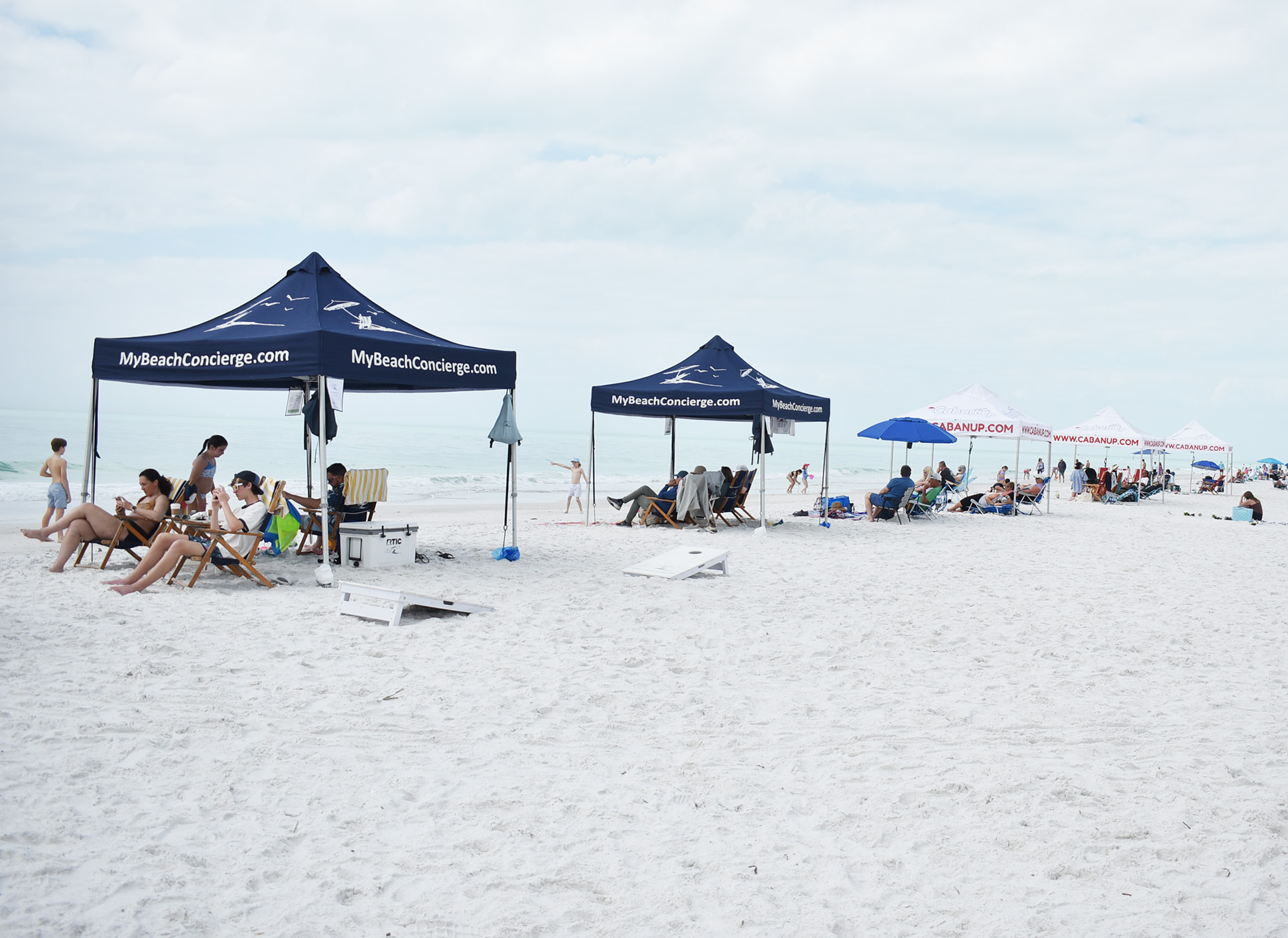
“Signage and/or advertising may not exceed four square feet, must include the owner name and contact information, must be located on the Temporary Shade Structure within the Commercial Rental Area and may not exceed the roofline of the Temporary Shade Structure. No stand-alone signage is permitted. 

“Any individual or entity providing a Commercial Rental Area must have on file with the city a valid proof of insurance certificate with coverage as stipulated by resolution of the city commission. 

“Delivery and set-up may not occur prior to 7 a.m. Tear-down must be complete and removed from the beaches by dusk. During inclement weather events, tear down after dusk may not be penalized provided tear down commences as soon as the beach is safe to access.”

The Chapter 38 code revisions included in the Feb. 26 meeting packet included the following definitions: “Commercial Rental Area means an area temporary in nature not to exceed 169 square feet in total of ground coverage, and 13 linear feet extending in any direction and includes at least one Temporary Shade Structure.” 

“Temporary shade structure means a portable freestanding shelter providing sun protection such as a tent, umbrella, canopy or the like. Temporary shade structures shall not exceed 169 square feet of ground coverage in total, and 13 linear feet in any direction, inclusive of any poles, pegs, tie downs, anchors, weights, sandbags or the like,” according to Chapter 38.

According to City Planner Ashley Austin, this type of temporary beach dining area is not allowed as a commercial beach activity on a public beach in Anna Maria, according to current city code. – Boho Beach Escape | Submitted

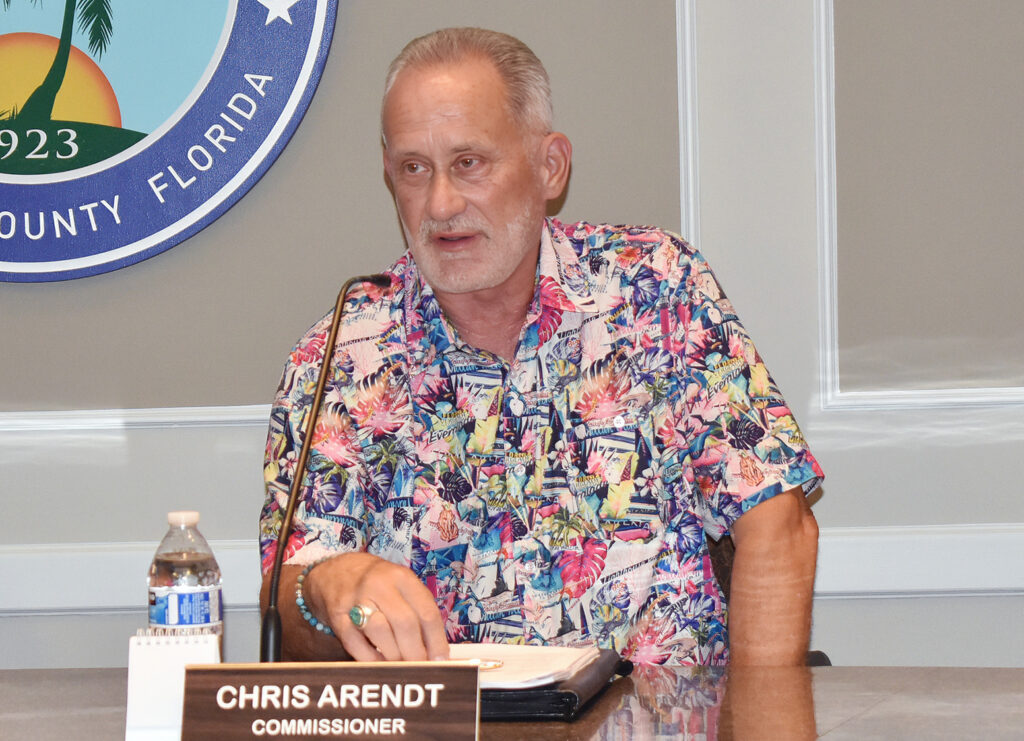
According to a March 27 email City Planner Ashley Austin sent to Mayor Mark Short, City Attorney Becky Vose and Commissioner Chris Arendt, a temporary beach dining area that consists of a portable dining table that holds one or more umbrellas and is accompanied by portable chairs and other accessories is not allowed according to the city regulations now in effect. 

PERSONAL SHADE STRUCTURES

The Anna Maria Commission held its first beach cabana regulation discussion in July 2025. During the ensuing commission discussion on Aug. 14, Mayor Mark Short said, “Commercial activity is not listed as a permissible activity on any of our beaches. In fact, our land use ordinance even goes as far as to say you can’t even have more than one-pole tents on the coastal conservation part of our beach.”

During the March 12, 2026, meeting, Short addressed one-pole and four-pole shade structures and the misconception that personally owned, non-commercially rented temporary shade structures are prohibited in coastal conservation-zoned beach areas. 

“I just wanted to make it clear that in the ordinance that was passed, that ordinance better defined beaches. And that means all beaches, whether they’re in the coastal conservation zone or in the parks and rec zone. As part of that ordinance, we say that four-post tents can be on the beaches. I know there’s been some chatter out there about mono poles only in the coastal conservation zone, but the ordinance that was passed makes it clear that people who have four-post tents can set those tents up on the beach, including in the coastal conservation zone. That was part of the ordinance we didn’t really highlight, but it did clarify the concerns about mono poles. The mayor is not against people being protected from the sun.”

The March 26 meeting packet did not contain in their entirety the most recently amended version of the Chapter 38 code provisions. The complete, amended Chapter 38 provisions that were included in the Feb. 26 meeting packet did not contain any specific references to four-post temporary shade structures being placed in the city’s coastal conservation zones.

Non-commercially-rented beach cabanas still allowed in coastal conservation zones

ANNA MARIA – After being further clarified on Thursday, March 12, the city of Anna Maria’s commercial beach cabana rental regulations took effect on Sunday, March 15.

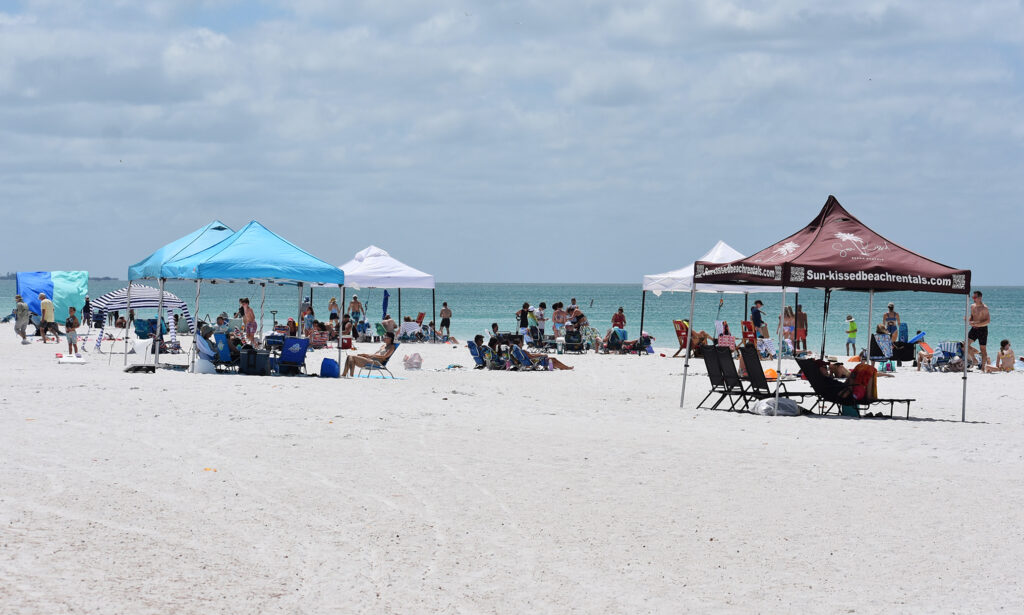
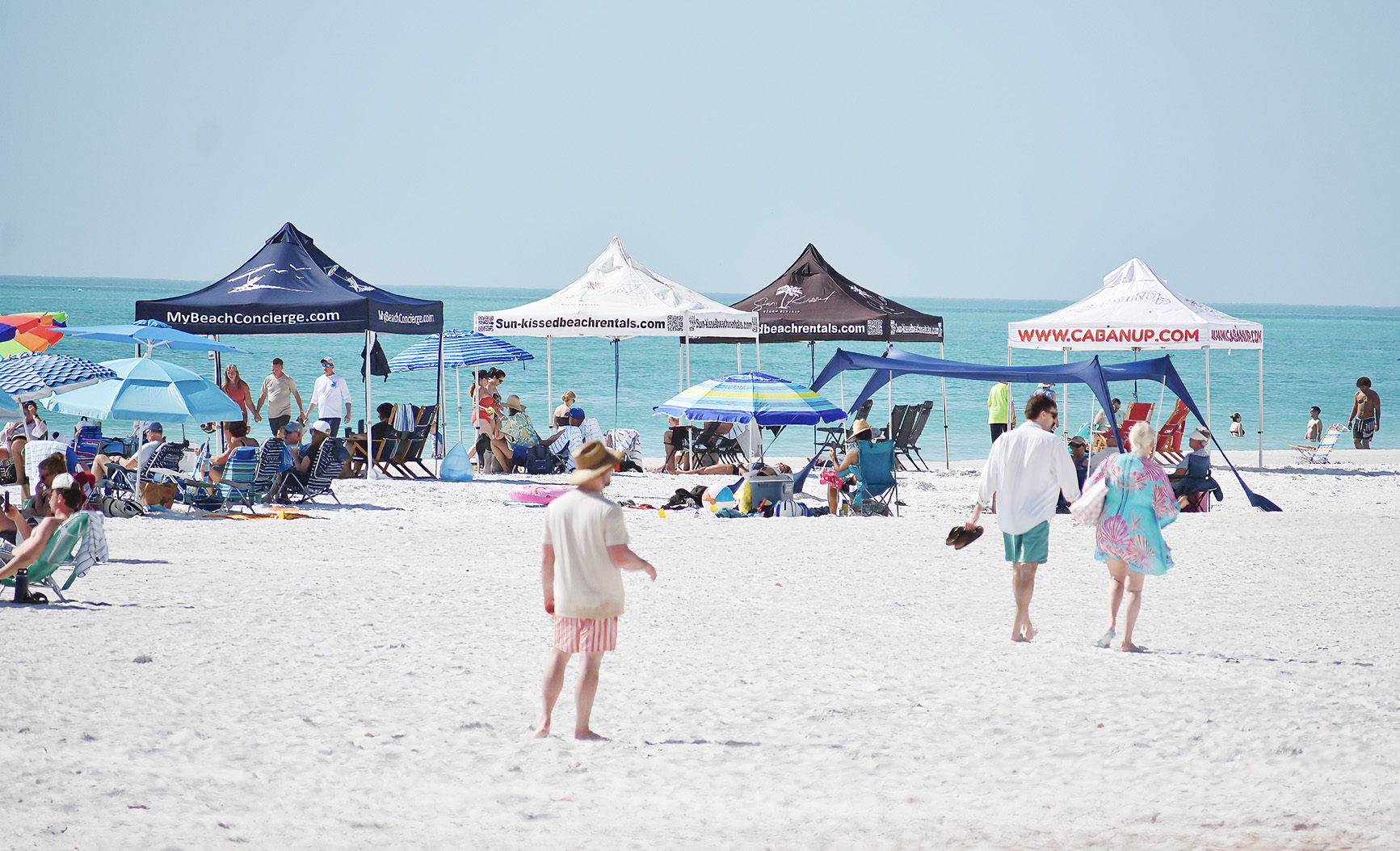
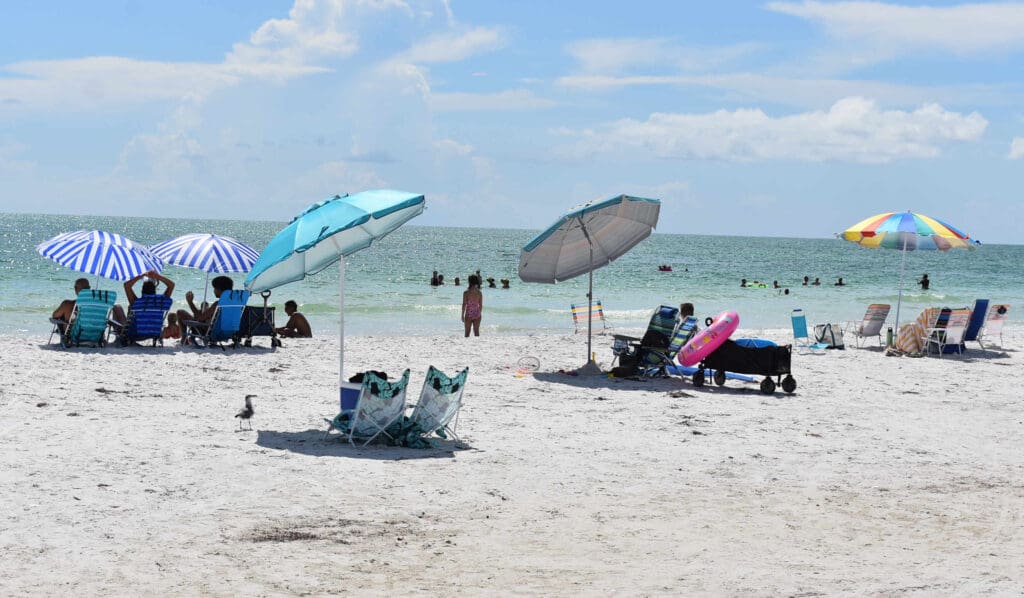
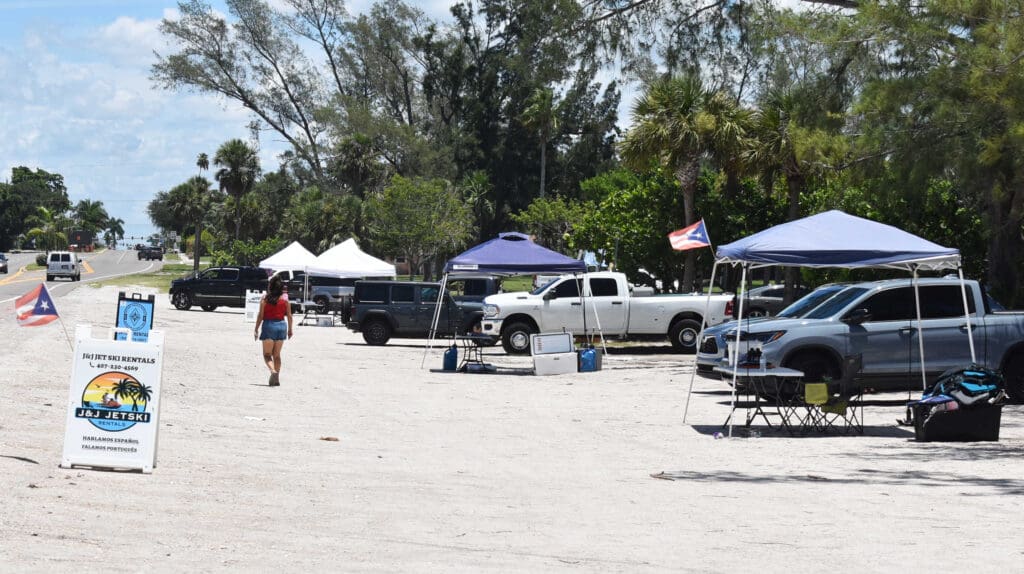
In Anna Maria, commercially-rented beach cabanas, tents and other temporary shade structures are now only allowed in the recreation open space-zoned area known as Gulf Front Park, which extends from Oak Avenue to Magnolia Avenue – southeast of the Sandbar restaurant.

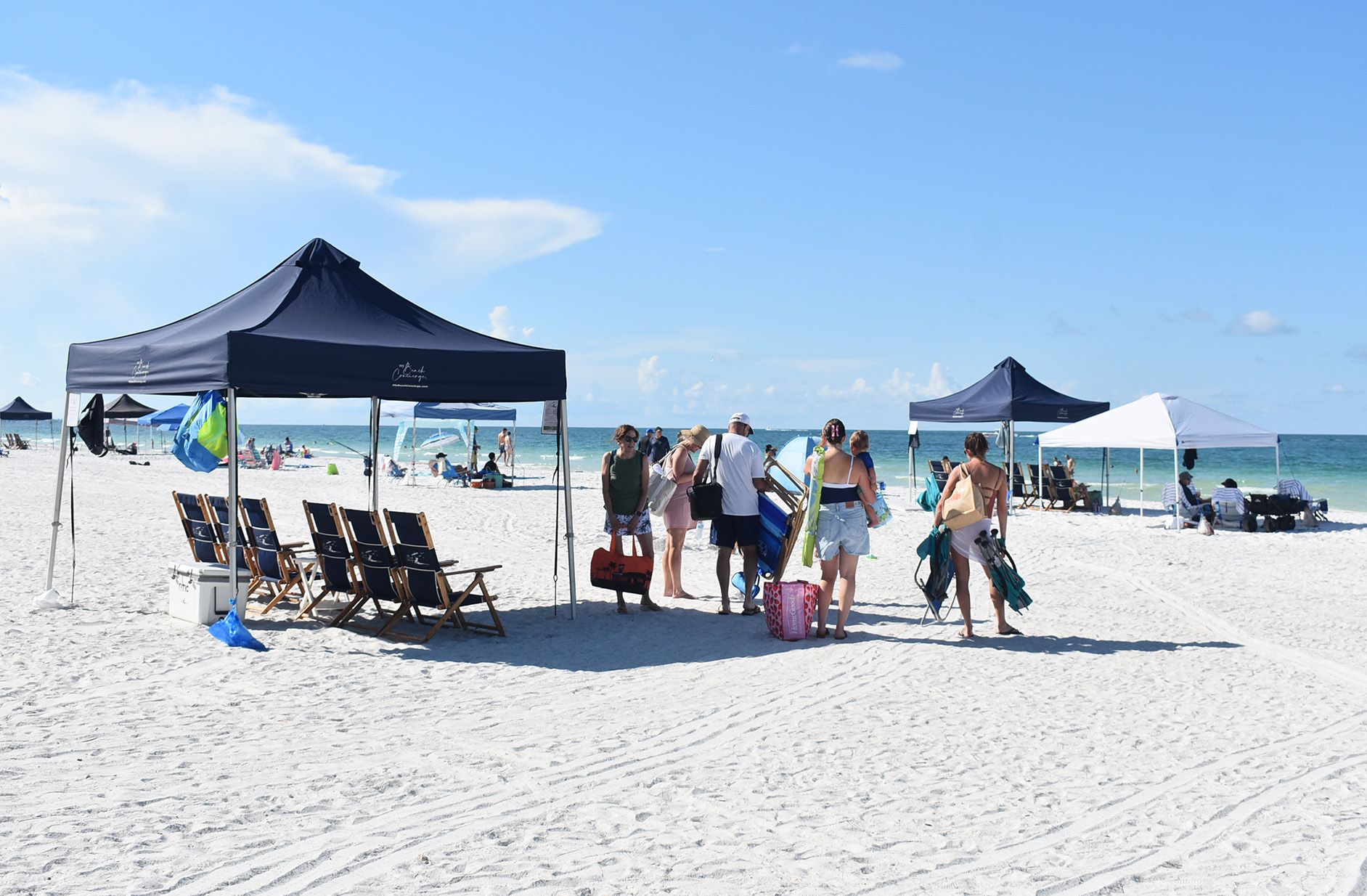
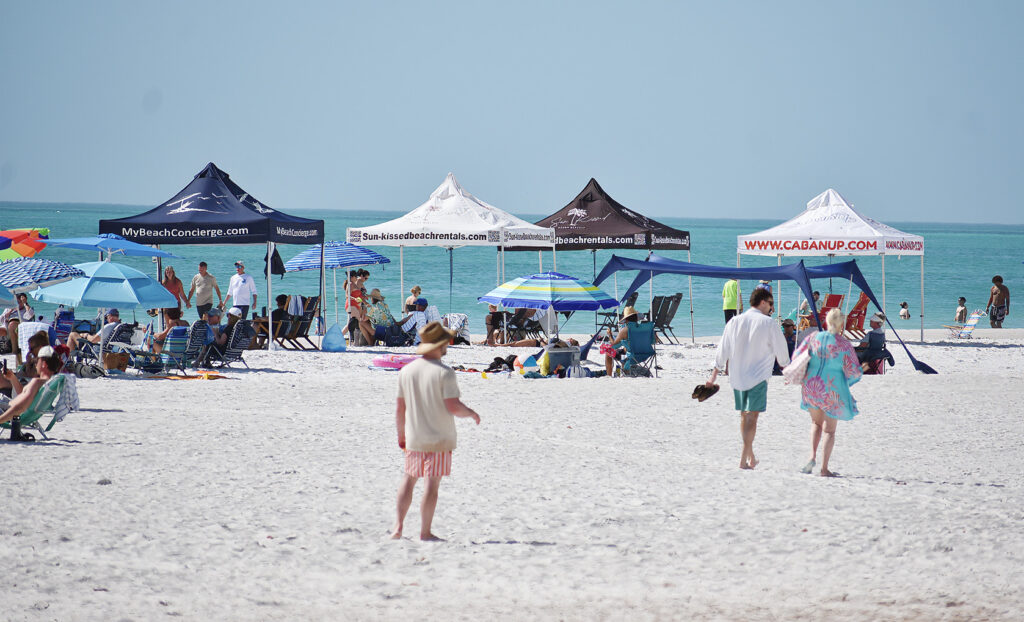
In Anna Maria, commercially-rented cabanas and tents are now only allowed between Oak Avenue and Magnolia Avenue. – Joe Hendricks | Sun

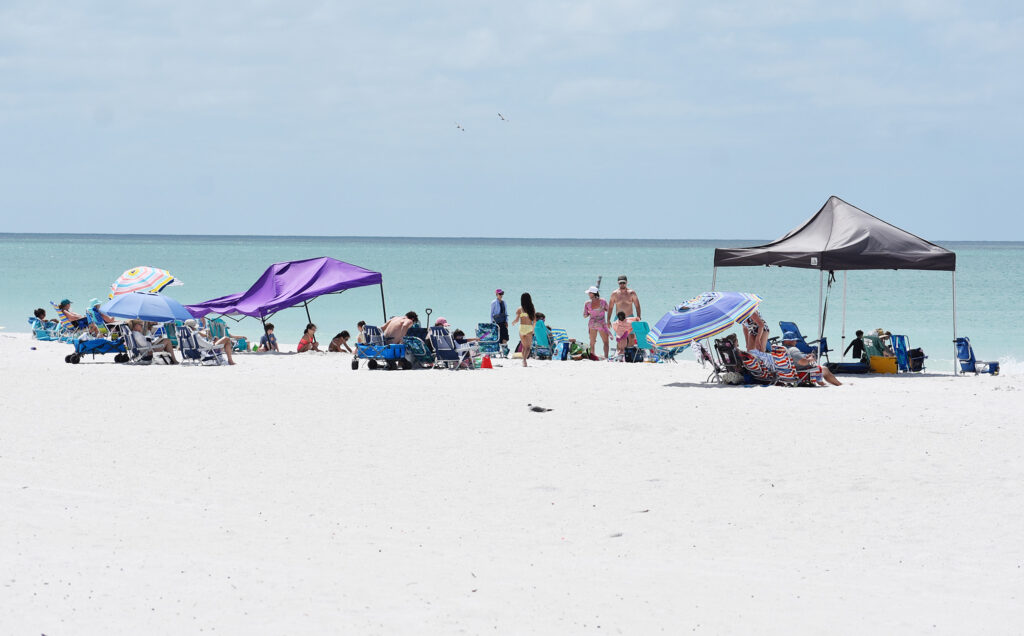
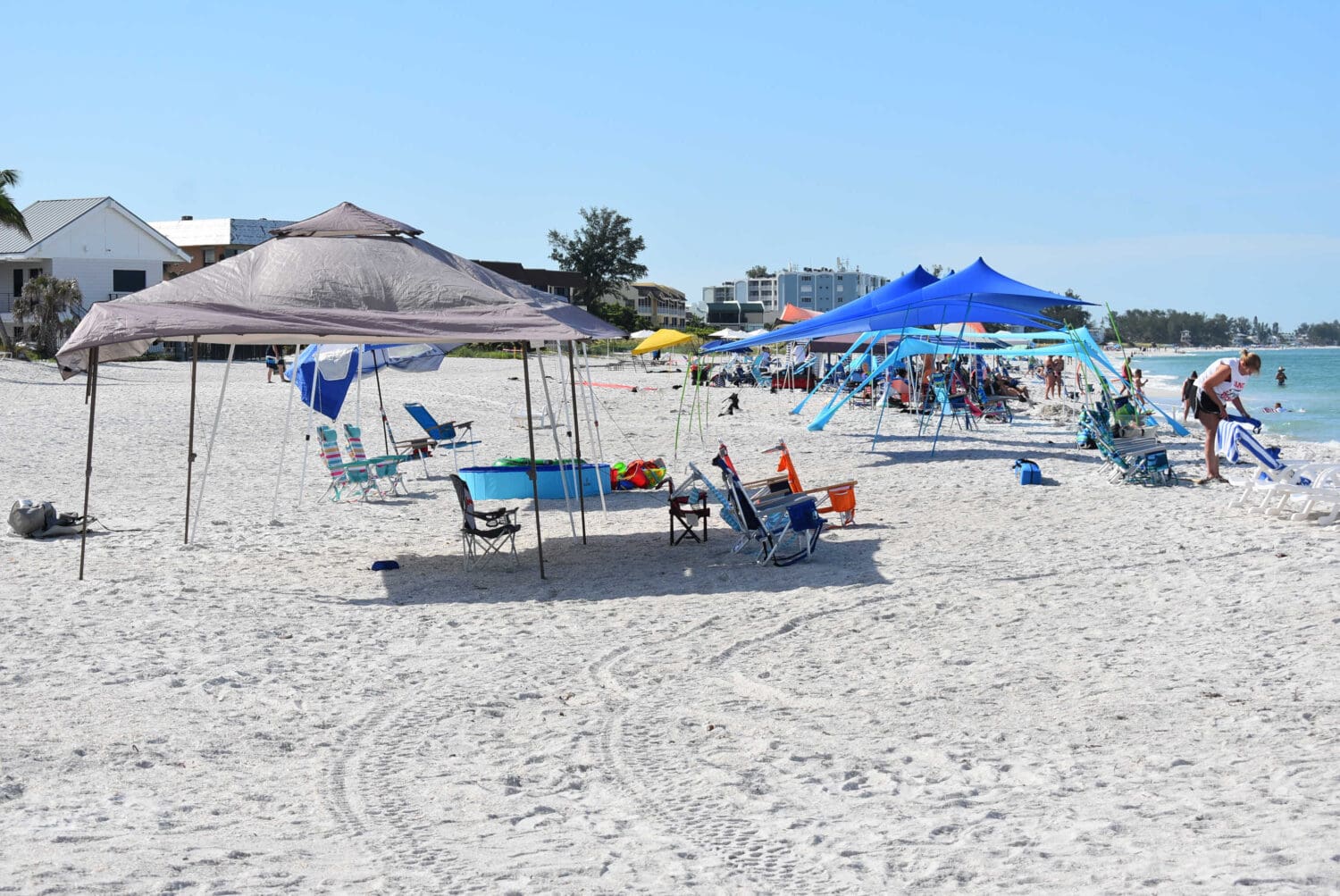
Non-commercially rented cabanas and tents are still allowed in the coastal conservation-zoned beach areas that include the beaches in front of the Sandbar restaurant and at Bean Point.

Adopted in late February after numerous city commission discussions that began last year, Anna Maria’s amended parks and recreation regulations do not allow commercial cabana and tent rentals in the coastal conservation-zoned areas that include the beach areas in front of the Sandbar restaurant, on the beach areas between the Sandbar and Bean Point, on the Bean Point beach areas or on the Bayshore Park beach areas.

When the beach cabana rental discussions began last year, Mayor Mark Short surprised many when he said the city code adopted long ago prohibited anything more than single-pole, umbrella-like shade structures in the city’s coastal conservation zones.

During the March 12 city commission meeting, Short clarified that non-commercially-rented cabanas and tents are allowed in those coastal conservation zones as long as they’re located seaward of the dune line – where a dune line exists.

Short said he is not in any way opposed to beachgoers protecting themselves from the sun by using non-commercially-rented cabanas and tents in the city’s coastal conservation zones.

During the March 12 meeting, city commissioners adopted an emergency ordinance to be followed by the March 26 adoption of a “permanent” regular city ordinance that specifies which commercial beach activities are allowed in the recreation open space-zoned beach area known as Gulf Front Park.

The emergency ordinance and the permanent ordinance contain the following language: “Commercial rental of beach equipment means the business or activity of renting, leasing or providing for compensation any beach-related equipment, including Temporary Shade Structures and accessory beach equipment including but not limited to chairs, chaises, coolers, and baby items or similar equipment for use on the public beaches of the city within a Commercial Rental Area and including the delivery, setup and tear-down of the aforementioned equipment. Commercial Rental Area means an area temporary in nature not to exceed 169 square feet in total of ground coverage, and thirteen 13 linear feet extending in any direction and includes at least one temporary shade structure.”

When contacted on March 19 and asked if stand-alone beach chair rentals and other commercial activities are allowed in the specific area where temporary shade structures are allowed, Mayor Mark Short said, “The ordinance specifically requires a cabana rental be included in the area designated as a commercial rental area.”

Beach cabana rental rules may change

Beach cabana rental rules may change

ANNA MARIA – No final decisions have been made, but the mayor and commissioners are considering allowing beach cabana rentals in some public beach areas and not allowing them in others.

Current city code adopted many years ago doesn’t allow any commercial activity in the city’s coastal conservation and recreation open space zones that comprise most of the public beach areas in Anna Maria.

City code also doesn’t allow multi-legged cabanas and tents in the coastal conservation zones, regard­less of who owns them and sets them up.

The mayor and commissioners first discussed commercial beach activities, including cabana rentals, on July 24 and they continued those discussions on Aug. 14.

Reiterating statements made at the previous meeting, Mayor Mark Short said, “Commercial ac­tivity is not listed as a permissible activity on any of our beaches. In fact, our land use ordinance even goes as far as to say you can’t even have more than one-pole tents on the coastal conservation part of our beach.”

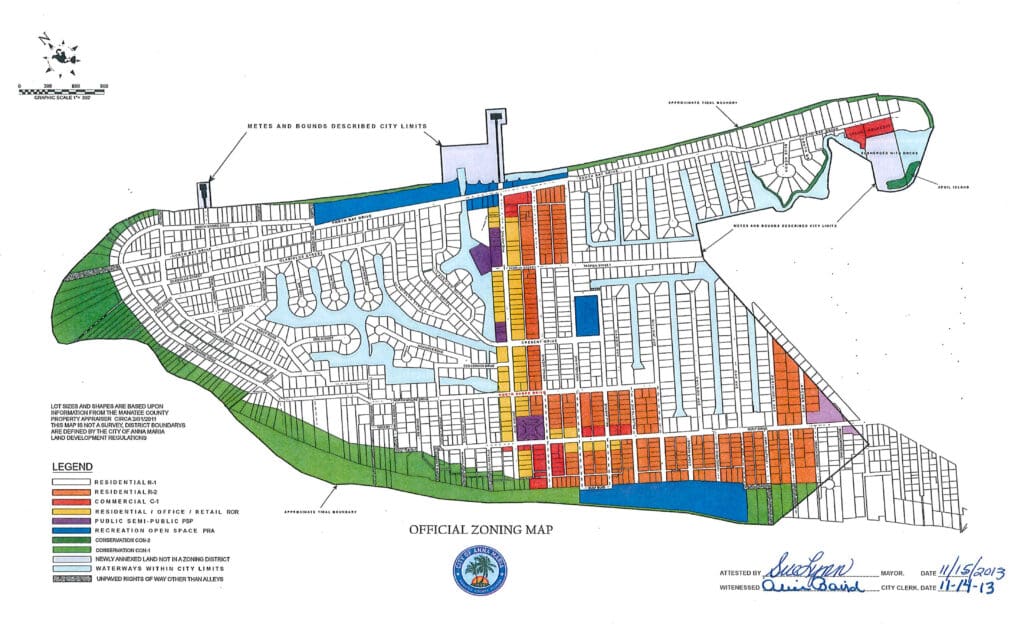
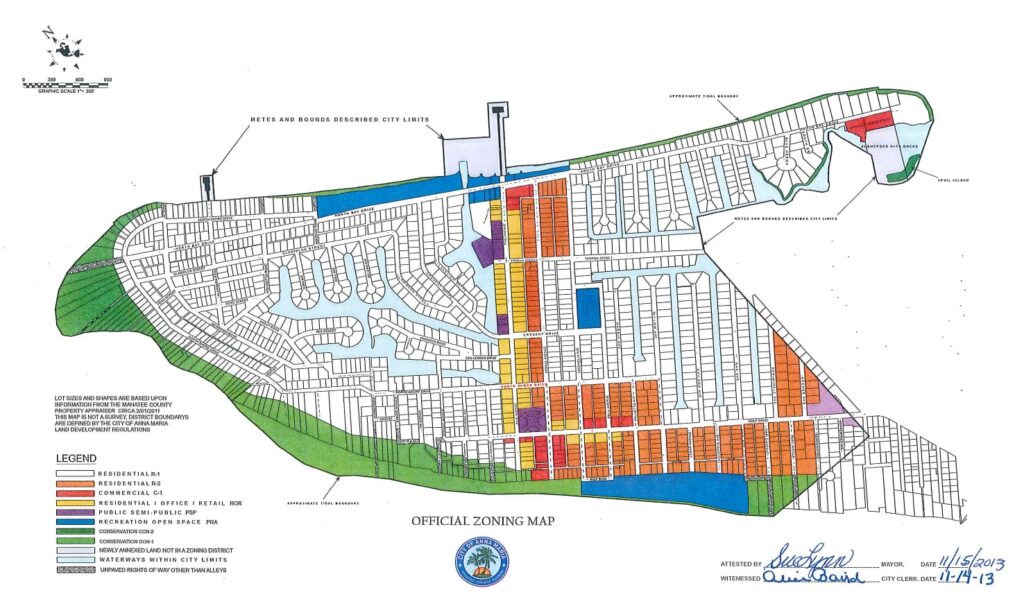
Highlighted in green on the city’s zoning map, the coastal conservation zones include the lengthy beach shoreline that extends from the southwest end of Magnolia Avenue near the Sandbar restaurant and around Bean Point to Jacaranda Road. The coastal conservation zones also include the Gulf shoreline that extends south from Oak Avenue to the city limits at Beach Avenue; and the narrow, residen­tial Tampa Bay shoreline along South Bay Drive from Magnolia Avenue to the northeastern tip of the city near the Galati marina.

Beach cabana rental rules may change
The areas highlighted in green are coastal conservation zones. The areas highlight in blue are recreation open space zones. – City of Anna Maria | Submitted

Highlighted in blue, the largest beachfront recreation open space zone extends along the Tampa Bay shoreline between Hibiscus Street to the northeast end of Magnolia Avenue and includes the Bayfront Park and City Pier shorelines. A smaller beachfront recreation open space zone extends along the Gulf shoreline from Magnolia Avenue to Oak Avenue.

Short said the first question the commission needed to answer was whether they wanted to leave the current ordinance as it is and begin enforcing the existing prohibitions and restrictions that are not currently being enforced, and haven’t been in the past.

“If the commission chooses to leave the ordinance as it is, we will immediately begin enforcing it,” Short said.

The commissioners reached preliminary consensus that they don’t want the enforcement of the existing prohibitions and restric­tions to begin until they decide if and how they’re going to change the existing city regulations.

The commissioners also reached preliminary consensus that they do want to change the regulation that only allows single-pole shade structures (umbrellas), but not cabanas and tents, in coastal conservation zones.

Beach cabana rental rules may change
Single pole umbrellas are currently the only shade structures allowed in Anna Maria’s coastal conservation zones. – Joe Hendricks | Sun

Based on the comments made during the Aug. 14 meeting, the commission appears to be leaning toward allowing cabana rentals in the recreation open space zones, but not in the coastal conservation zones that include a significant por­tion of the city-controlled beaches.

Commissioner Kathy Morgan-Johnson said, “I think we should allow the cabanas,” but she didn’t specify which zone or zones she was referring to.

Johnson said she doesn’t have strong feelings either way about logos and other advertising being placed on rented cabanas, if allowed.

Commissioner Gary McMullen doesn’t support cabana rentals in the coastal conservation zones and he doesn’t support company logos or advertising being placed on the cabanas that would have to be reserved in advance before being placed in the recreation open space zones, if that’s what the commission decides to do.

Commissioner John Lynch supports allowing cabana rentals in the recreation open space zones. He’s currently opposed to allowing cabana rentals in the coastal conservation zones but he feels more discussion is needed.
Commissioner Chris Arendt supports cabana rentals being allowed in some form or fashion but he hasn’t arrived at a final conclusion and he feels more discussion is needed.
Commission Chair Charlie Salem is still evaluating the options and he wants more input from residents and vendors before making any final decisions.

Short said the commission also needs to decide if it wants to allow any additional commercial activities on the public beaches.

“We can decide what commercial activities we would like to allow. Cabana rentals? Yoga instruction? There may be others? We need to be very specific in terms of what we will allow in terms of commercial activity,” he said.
Other Island cities

Holmes Beach Development Services Director Chad Minor and Code Compliance Chief James Thomas attended the Anna Maria meeting and Minor briefly addressed the commission.
Beach cabana rental rules may change
Development Services Director Chad Minor discussed Holmes Beach’s cabana advertising prohibition. – Joe Hendricks | Sun

Regarding Holmes Beach’s sign regulations that prohibit advertis­ing on the beach (including cabanas and tents), Minor said, “At this time, we’re approaching it from the commercial advertising aspect. We’ve got most of the vendors to comply. The other concern we had was the place­ment of tents before they were actually rented. Someone could walk by, scan the QR code and then rent the tent. If they’ve got a pre-arranged reservation, that’s how we’re approaching it.

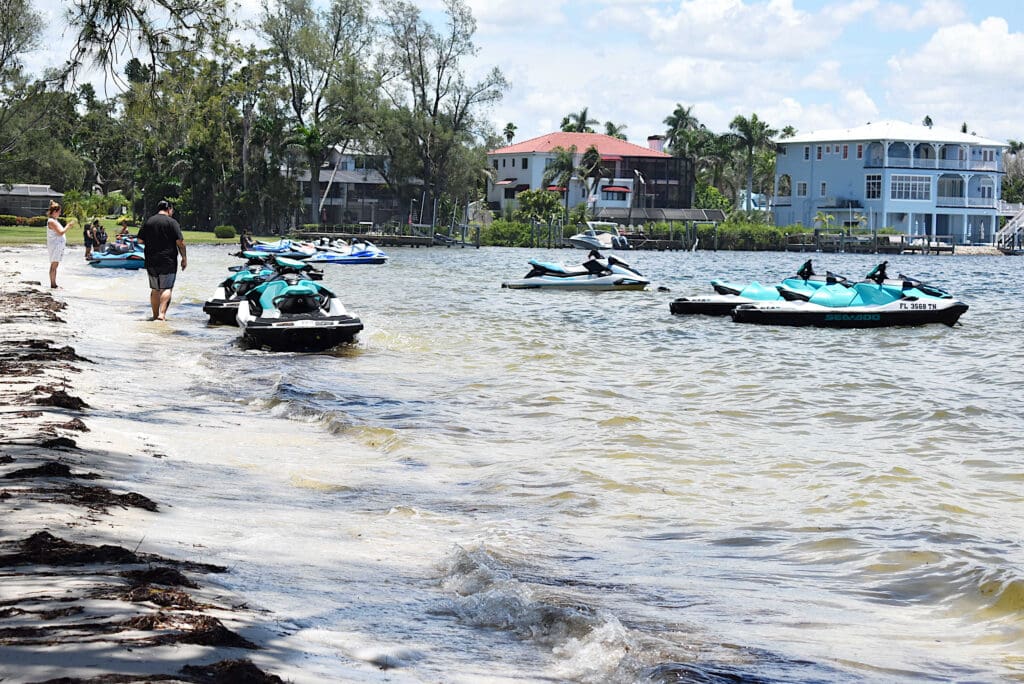
“We will be diving into this in more detail. One of our other concerns is it’s tents today, what could it be tomorrow? SUP boards (stand-up paddleboards), kayaks? I get more Jet-Ski rental requests a week than I’ve ever had. There’s a lot of businesses that want to be out here, and rightfully so. We just have to learn how to balance that,” Minor said.

Short said he received a copy of a cabana rental-related draft ordinance the city of Bradenton Beach is working on, but he didn’t know if it had been presented to Bradenton Beach commissioners yet. Short said the draft ordinance proposes limiting each cabana or tent to 10 square feet with no more than two enclosed sides. The draft ordinance currently proposes prohibiting commercial signage or branding, imposing a limit of 20 cabanas per licensed vendor, imposing a restriction on how many cabanas can be set up side by side and imposing a restriction on the number of chairs placed under the cabanas.

The Bradenton Beach commis­sioners are expected to discuss the draft ordinance during their Thursday, Sept. 11 commission workshop.

Public input

Longtime North Shore Drive resident John Dicks said, “The world’s not going to end if we don’t allow rental cabanas on our beaches. Look deep and hard as you consider changing our ordinances.”

Beach cabana rental rules may change
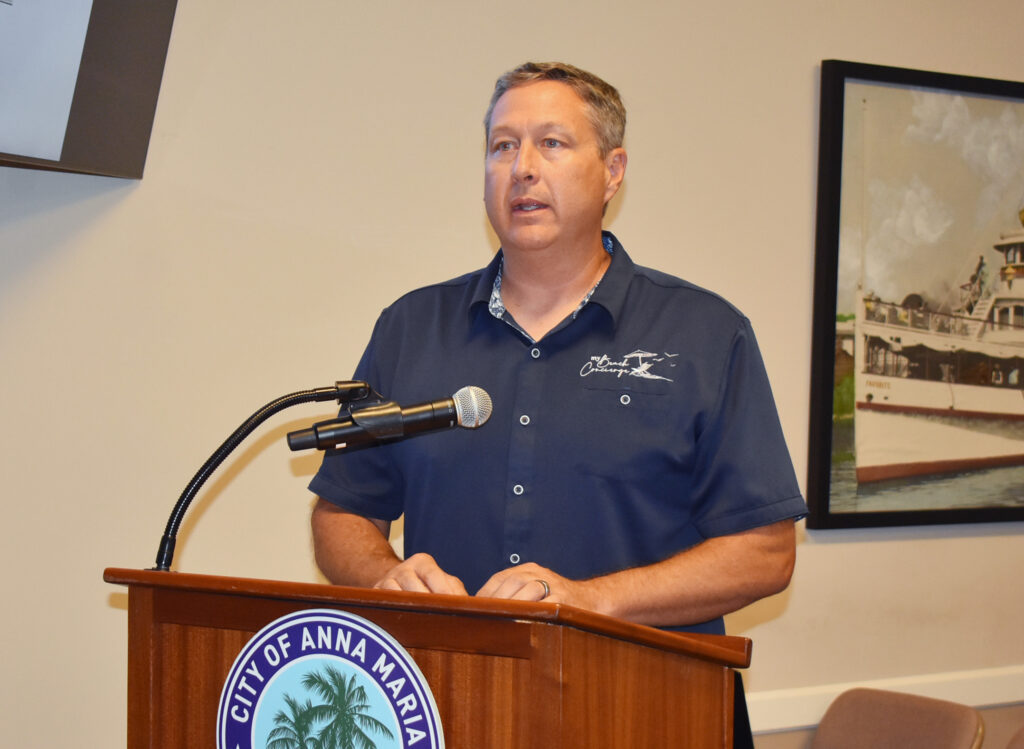
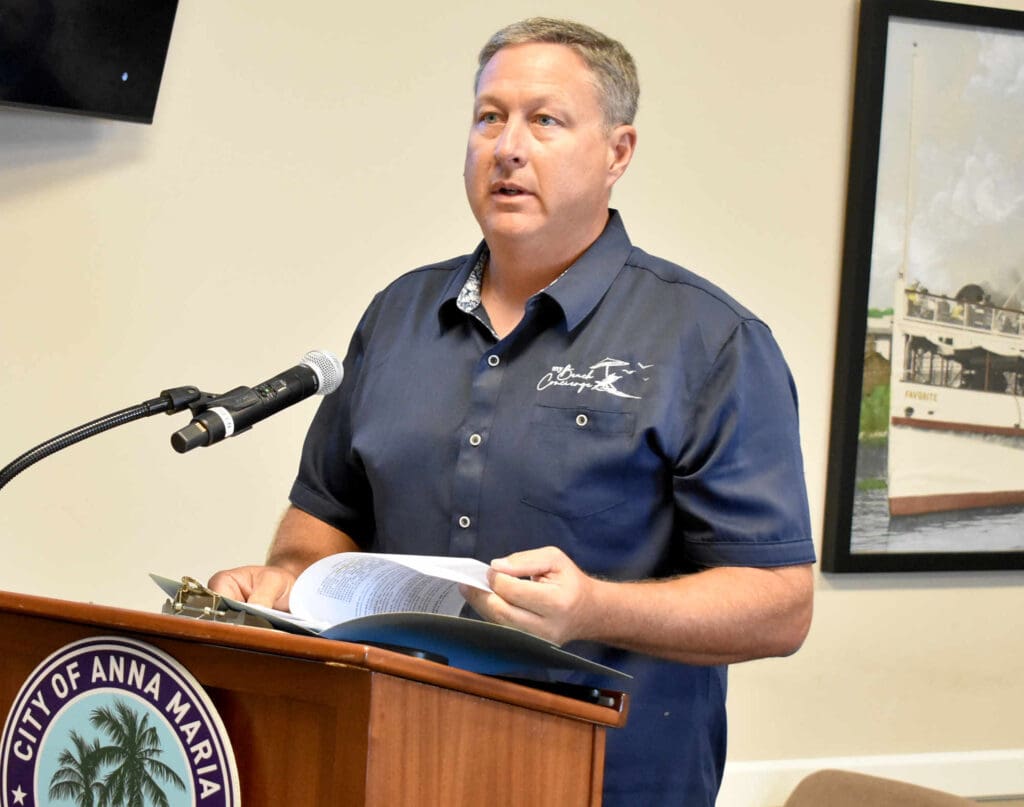
My Beach Concierge owner Peery Heldreth asked the commission to allow cabana rentals in coastal conservation zones. – Joe Hendricks | Sun

My Beach Concierge owners Peery and Becky Heldreth attended the July 24 and Aug. 14 meetings.

During the recent meeting, Peery asked the commission to allow cabana rentals in the coastal conservation zones.

“We’re talking about a tremendous amount of area here in the city of Anna Maria,” he said.

He also said some cabana rental clients are physically unable to transport and set up their own cabanas, including senior clients and those with disabilities.

Beach cabana rental rules may change
Former commissioner Brian Seymour addressed the potential impacts on other businesses. – Joe Hendricks | Sun

Anna Maria General Store owner and former city commissioner Brian Seymour said enforcing a ban on all commercial beach activities except cabana rentals could have unintended impacts on other businesses, includ­ing beach weddings and restaurants and food delivery services that deliver to beachgoers.

“There’s a lot more to this than just beach cabanas,” Seymour said, and he suggested the commission host a public workshop before making any final decisions.

Short said beach weddings are regulated by city-issued special event permits but Salem acknowledged other industries could be impacted by the commission’s future decisions.

“We’ve got a lot of work to do on this,” Salem said.

Commercial activity on Anna Maria beaches prohibited

Commercial activity on Anna Maria beaches prohibited

ANNA MARIA – While discussing beach cabana rentals and other com­mercial activities occurring on public beaches, Mayor Mark Short said city code prohibits all commercial activity in beach areas that carry the city’s coastal conservation or recreation open space zoning designations.

During the July 24 Anna Maria City Commission meeting, commissioners, cabana rental company owners and employees and the public were also informed that multi-legged cabanas and tents of any kind, commercial or personal, are not allowed in coastal conservation-zoned areas.

According to the color-coded zoning map included in the meeting packet, the coastal conservation zones highlighted in green include the entire public shoreline from Magnolia Avenue to the northern tip of Bean Point. The recreation open space zones highlighted in blue include the Bayfront Park and City Pier shorelines.

Commercial activity on Anna Maria beaches prohibited
The areas highlighted in green are zoned coastal conservation and the areas highlighted in blue are zoned recreation open space. – City of Anna Maria | Submitted

“We have an ordinance on the books that addresses what is permitted in the blue and green areas. The ordinance does not provide for the conduct of any commercial activity in either the coastal conservation zone area or the recreational zone area,” Short said.

Commercial activity on Anna Maria beaches prohibited
Mayor Mark Short doesn’t want Anna Maria’s beaches to resemble the commercial-heavy Palma Sola causeway along Manatee Avenue. – Joe Hendricks | Sun

Participating by phone, City Attorney Becky Vose said the city controls the public beaches and state and federal laws don’t restrict a city’s ability to regulate commercial activities. In regard to privately-owned beaches not regulated by the city, Vose said the upland property owner owns the land up to the mean high-water line and rented or personally-owned tents and cabanas can be set up on privately-owned beachfront property.

Vose said her law firm represents six beach communities throughout the state and each one regulates com­mercial beach activities differently. She said the city of Cocoa Beach allows a limited number of beach vendors to enter into 7-year agreements with the city and if they don’t comply with the city’s insurance, operational and cleaning requirements, those agreements are nullified and offered to another vendor.

Regarding city-regulated beaches, Vose said the city has a great deal of flexibility and can pretty much do what it wants.

“Right now, you do not permit any commercial activity,” she said. “The city has not been enforcing those requirements, but that doesn’t mean you couldn’t start. You need to decide how you want to handle these and give direction to staff. We can either draft new ordinances or we can enforce what we have. There is no compulsion under state law or city code to allow any commercial uses on the beach.”

Commissioner Charlie Salem asked Vose to explain any restrictions that apply specifically to the coastal conservation-zoned areas. Vose said the only shelter-like item allowed in a coastal conservation zone is a single-pole umbrella or something similar. She said multi-legged tents and cabanas are not allowed in coastal conservation zones but that’s something the commission could change.

Commercial activity on Anna Maria beaches prohibited
Current city code prohibits tents and cabanas in beach areas with coastal conservation zoning designations. – Joe Hendricks | Sun

Regarding commercial activity, Vose said any changes desired by the mayor and commission need to be clearly written to continue prohibiting any unwanted commercial activity such as food vendors and other types of rentals.

“You can regulate all of those things and you can prohibit them also,” Vose said.

Participating by phone, Commis­sioner John Lynch said, “We have a multi-layer problem that we’re trying to solve. We’re not current enforcing the current code, so I think there’s a bunch of work we need to do.”

When opening the discussion for public input, Salem said, “Think of this as your opportunity to help us start thinking about the issues involved on any side of this issue.”

In response to a question from city resident Wendy Smith about boat-based vendors, Short said the city’s jurisdiction only extends 10 feet into the water, with the exception of the vessel exclusion zone offshore of Bayfront Park where motorized vessels are prohibited.

Commercial activity on Anna Maria beaches prohibited
My Beach Concierge owner Peery Heldreth addressed the mayor and commissioners. – Joe Hendr

Addressing a concern previously raised in Holmes Beach, My Beach Concierge owner Peery Heldreth said none of the cabana vendors in the commission chambers that day are setting up cabanas that aren’t reserved in advance. Heldreth said his company has a state license, pays monthly sales taxes, carries liability insurance and workers’ compensation insurance. Peery said his company doesn’t set up cabanas on Bean Point. He said his cabanas are commercial grade and he pays his employees $20 an hour, plus tips. He requires his employees to pick up any trash they see on the beach and they’re instructed to stay clear of sea turtle nests. Heldreth asked the mayor and commission to allow the current cabana rental activities to continue while the commission works through these issues.

Anna Maria resident David Ridley said cabanas and tents help protect people from getting skin cancer.

Commissioner Gary McMullen said the city is not enforcing the ordinances on the books and the city hasn’t prevented anyone from putting up a cabana or a tent, but the commission now needs to decide if the existing regulations will be enforced or changed. Short said the commissioners must first decide at a future meeting if they want to keep the current regulations.

Commercial activity on Anna Maria beaches prohibited
The Palma Sola causeway in west Bradenton is a popular place for beach vendors. – Joe Hendricks | Sun

Commercial activity on Anna Maria beaches prohibited
Several vendors offer Personal watercraft rentals at the Palma Sola Causeway in west Bradenton. – Joe Hendricks | Sun

“I do want to be clear about one thing. This is not about just the cabanas. This is about commercial activity in general on the beaches,” Short said. “I don’t want our beaches to turn into the Manatee Avenue causeway. I don’t want horses on the beach. I don’t even want dogs on the beach.”

Dogs are not allowed on Anna Maria Island beaches.

Related coverage:
Holmes Beach officials decline to increase beach cabana regulations
Beach cabana rentals under scrutiny
Mayor concerned about beach cabana rentals


Mayor concerned about beach cabana rentals

Mayor concerned about beach cabana rentals

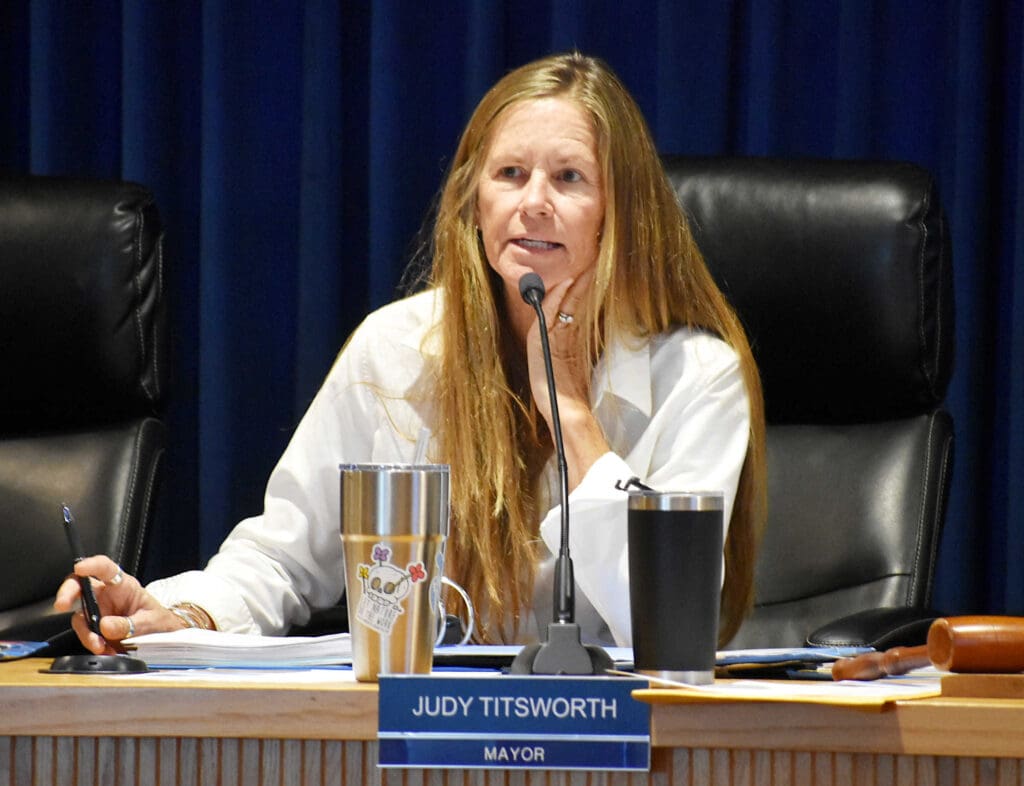
HOLMES BEACH – Mayor Judy Titsworth is concerned about beach cabana rental signage and cabanas being placed in prime beach locations before they’re rented.

Titsworth shared these concerns during the June 24 Holmes Beach City Commission meeting. She said it was brought to the city’s attention that company logos and website references appeared on rented beach cabanas.

“You’re not allowed to have signs on the beaches and it’s advertising for businesses. There’s not sup­posed to be commercial use on preservation (zoned) land,” she said.

Mayor concerned about beach cabana rentals
Mayor Judy Titsworth is concerned about commercial activity on public land. – Joe Hendricks | Sun

According to Holmes Beach city code: “Any sign to be located on property designated as preservation shall require the approval of the city commission prior to the issuance of a permit with the fee for such sign to be set by the city commission.”

“It was an eyesore, so we asked them to remove all of their advertisements and signage off their cabanas,” Titsworth said.

Cabana rental companies were given until June 27 to remove the signage and advertising from their cabanas before police officers and code compli­ance officers began issuing citations.

Titsworth noted that federal law prohibits the city from regulating what the signs say but the city can regulate their placement, size and style.

Staking a claim

Titsworth said that eliminating cabana signage addresses one concern but the city also received complaints about cabana rental companies staking out prime beach locations by placing cabanas and chairs in those locations before they are reserved and rented.

“Some of these companies are actually going out first thing in the morning and putting out a lot of their cabanas in a lot of really great spots and they’re claiming them before other people can get to them and they’re not rented,” Titsworth said.

She said some non-reserved cabanas have QR codes on them that allow some­one to rent them after they’ve been placed on the beach without a reservation.

“They’re making money off of it and this is public land. How do we allow them to commercialize and make money on public sand when we don’t allow other people?” Titsworth said of the cabana rentals in general.

“We’re looking at these different types of things that could potentially move in there. My goal is that our beaches don’t become the causeway,” Titsworth said in reference to the Palma Sola Causeway along Manatee Avenue in west Bradenton. In recent years, the east end of causeway has become heavily saturated with commercial activities that include horseback rides, personal watercraft rentals and more.

Titsworth said city code prohibits commercial transactions in public spaces but most of those transactions are now conducted through company websites or online payment services like Venmo and Zelle.

Mayor concerned about beach cabana rentals
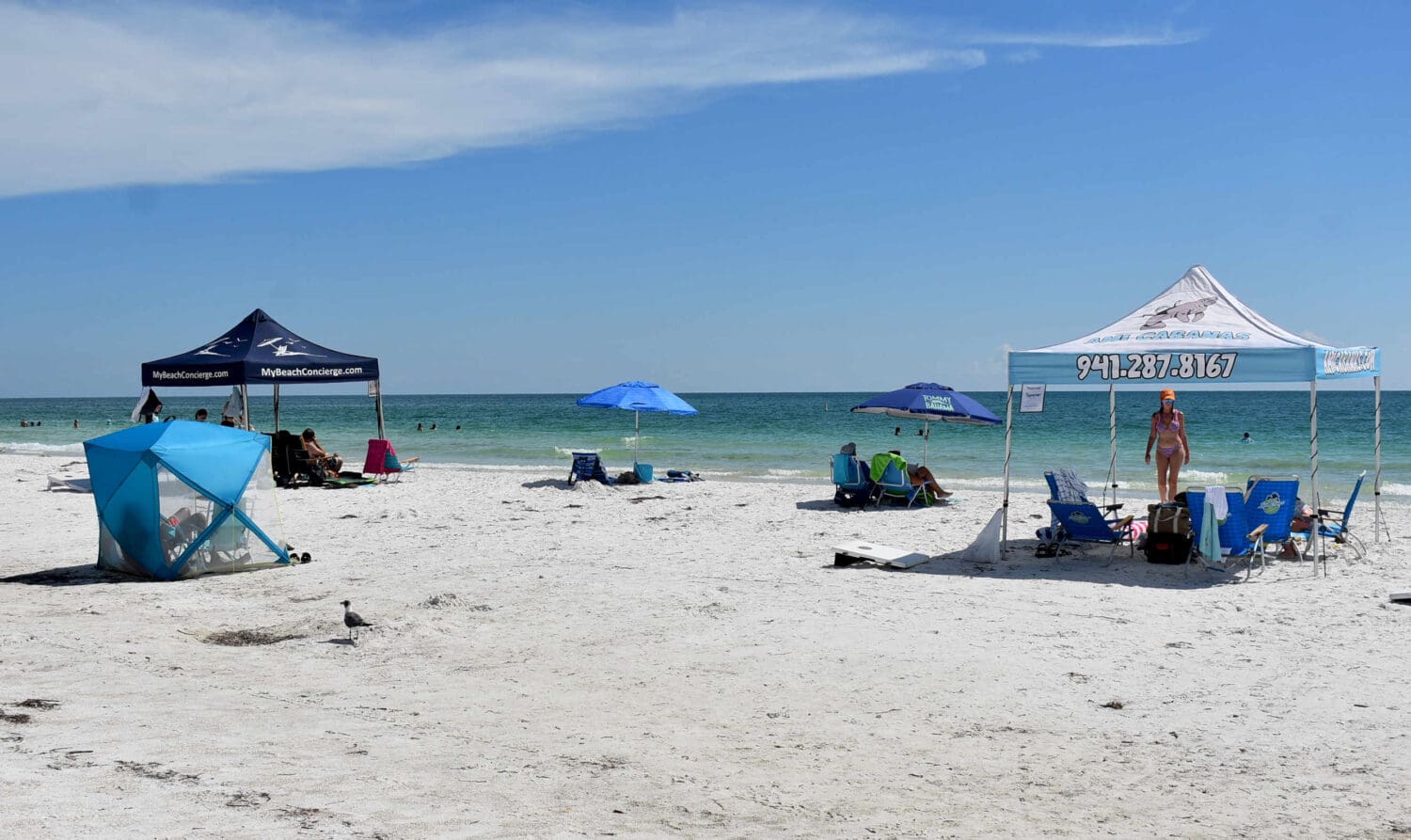
These beach cabanas contained no exterior signage and had been reserved in advance. – Joe Hendricks | Sun

Titsworth said she, City At­torney Erica Augello, Development Services Director Chad Minor and Code Compliance Chief James Thomas are researching what more can be done to regulate commercial activities on the beaches and how other coastal communities address these concerns.

“It gets harder and harder to enforce. Everybody’s trying to make money and they’re doing it now on public land and we’ve got to reel it in,” Titsworth said. “And there’s more things people are going to be coming up with in order to profit off the beaches. What would prevent someone from dropping off 25 kayaks and a QR code and pick them up at the end of the day?”

Commissioner Carol Whitmore questioned whether the use of state and federal funds to renourish the beaches might limit the city’s ability to regulate commercial beach activi­ties, asking whether a city-issued occupational license is required.

Titsworth said occupational licenses pertain to ‘brick and mortar’ businesses that have actual physical locations but some cabana compa­nies don’t have a primary physical location in Holmes Beach.

Mayor concerned about beach cabana rentals
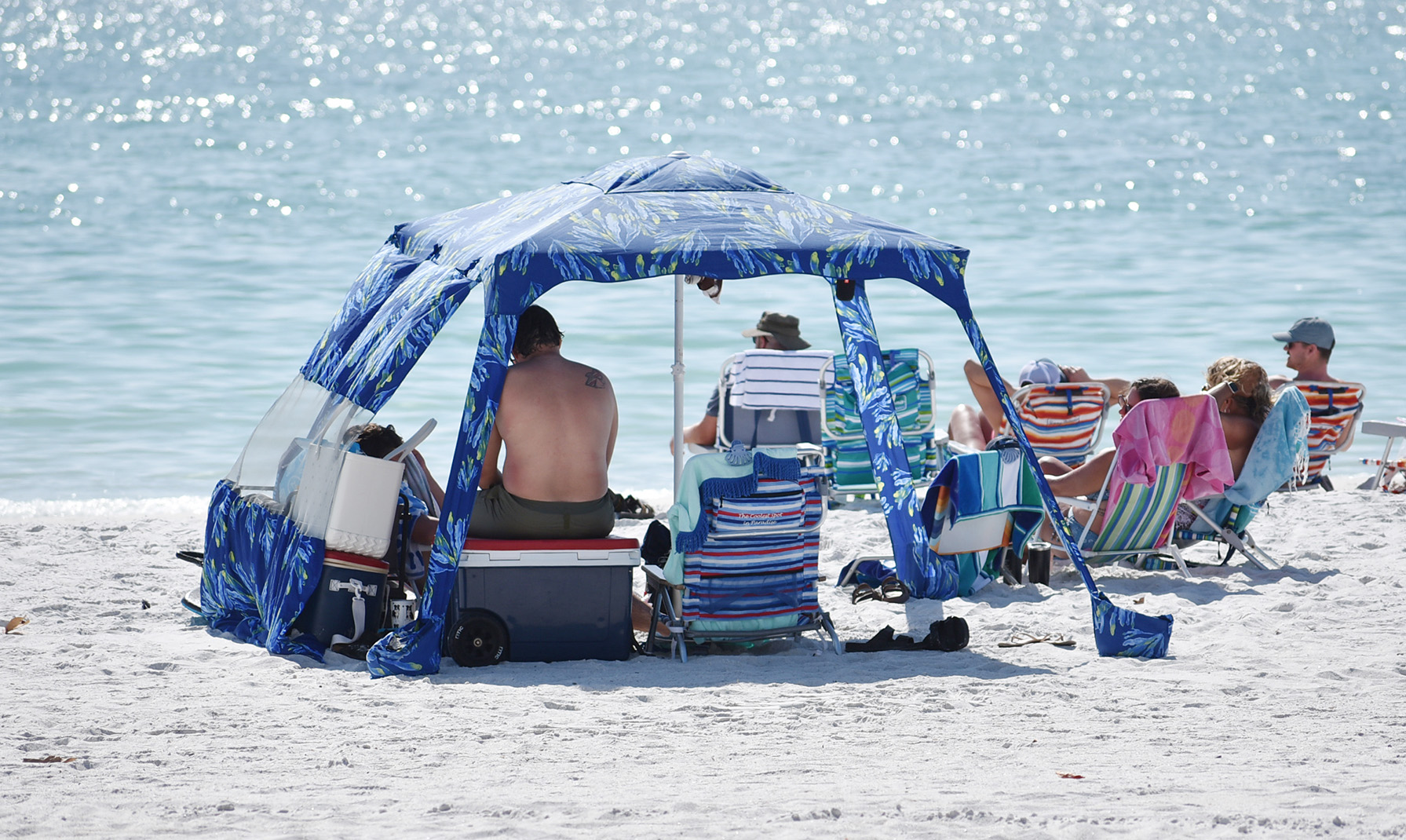
Beach cabanas provide beachgoers with shade and shelter from the sun. – Joe Hendricks | Sun

Commissioner Dan Diggins asked whether Manatee County has any regulations that address commercial activities at the county-owned Manatee Beach. Titsworth said she’s not aware of anything other than the county sign restrictions.

According to county code, “Private vendors, concessionaires providing concession services or activities in county parks may only do so by obtaining a concessionaire permit for such activity, or a franchise license agreement, and paying a franchise license fee.”

Manatee County uses the same contracted beach concessionaires at Manatee Beach in Holmes Beach and at Coquina Beach in Bradenton Beach.

Commissioner Terry Schafer asked whether the city’s goal is to prohibit beach cabana rentals. Titsworth said that wasn’t the intent, but she questions how the city can allow beach cabana rentals on preservation-zoned public land when other commercial activities are not allowed.

“It’s a fine line. We’ve got to do some more work,” Titsworth said.

Mayor concerned about beach cabana rentals
On June 26, beach cabanas occupied a significant portion of the 68th Street beach access shoreline. – Joe Hendricks | Sun

A visit to the 68th Street beach access at 10 a.m. on June 26 (a Thursday) revealed beach cabanas lining the shoreline in both direc­tions and occupying much of the area closest to the water. Some cabanas were occupied, some were not and it was not clear which cabanas were rentals and which were not.