ANNA MARIA ISLAND – Anna Maria Island Turtle Watch and Shorebird Monitoring (Turtle Watch) personnel and volunteers have started conducting beach nesting bird surveys on Anna Maria Island to locate, monitor and protect imperiled shorebird species nesting on the Island’s beaches.
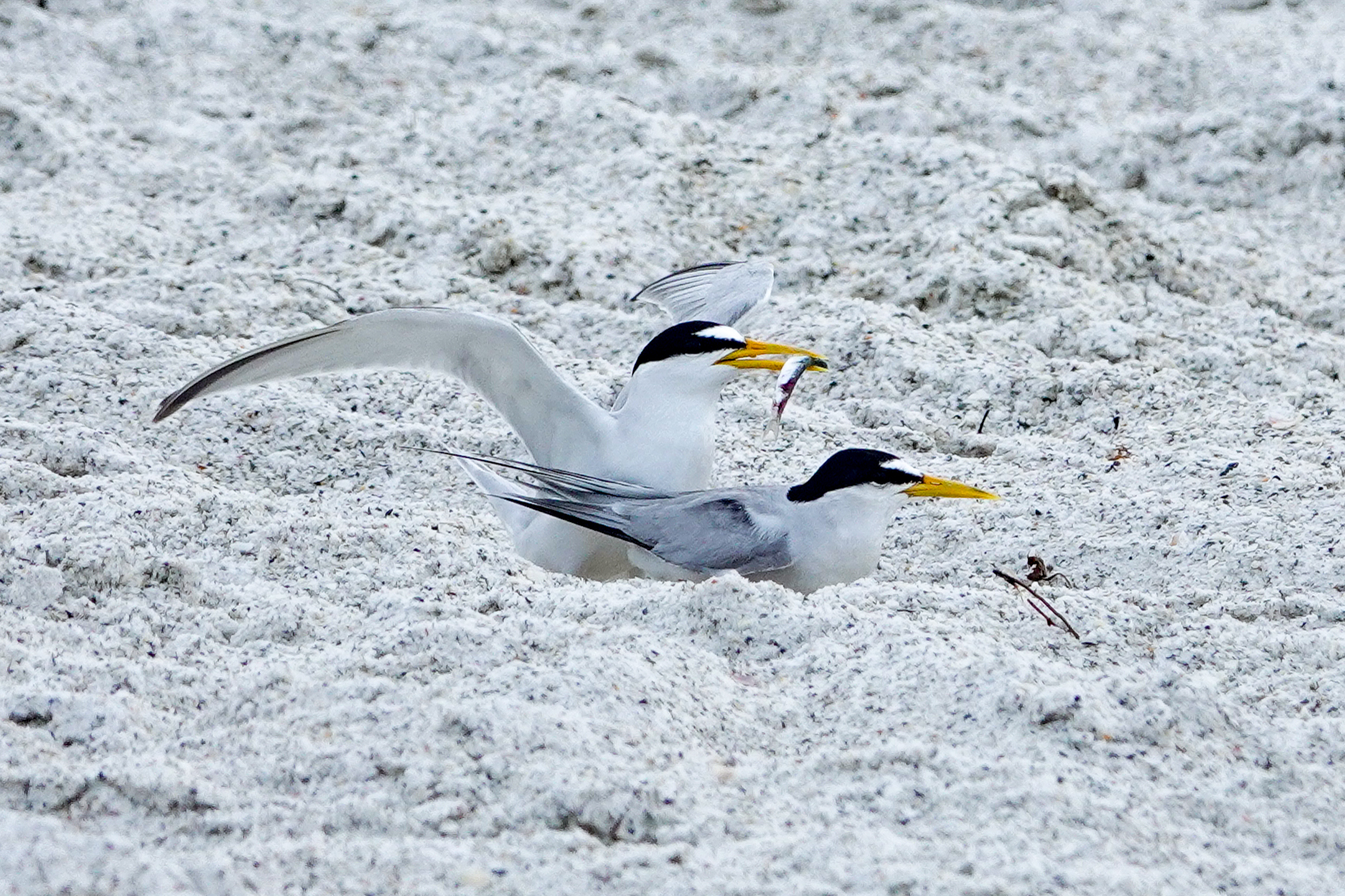
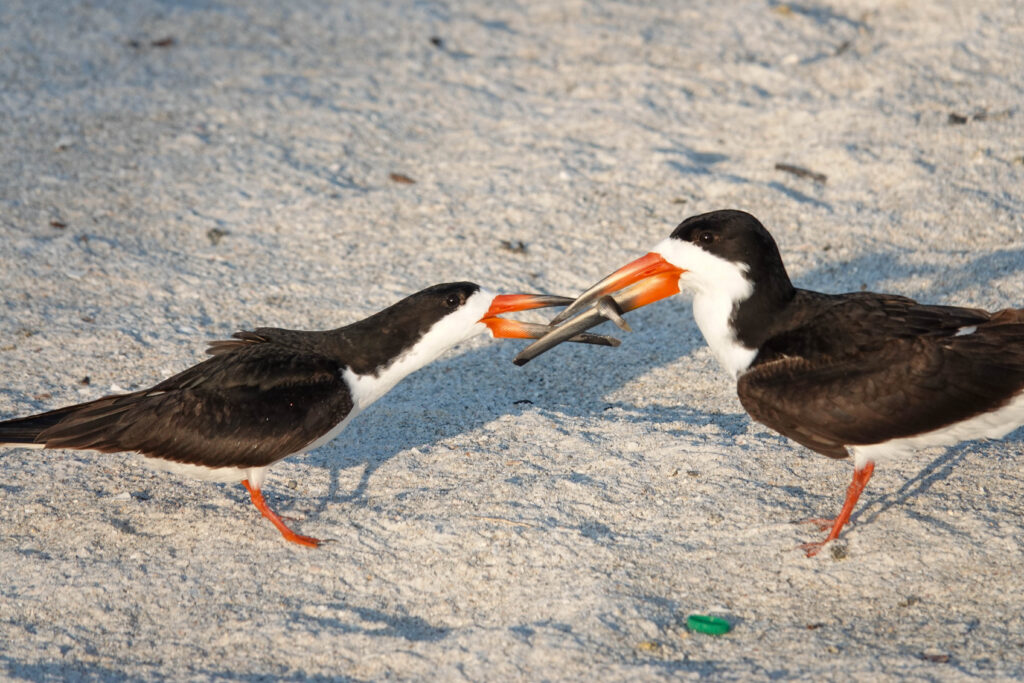
The shorebird breeding season runs from March through September. Early in the season, birds such as American oystercatchers, least terns, black skimmers and snowy plovers begin looking for areas to nest in Florida.
According to a March 19 press release received from Turtle Watch Executive Director Kristen Mazzarella, “Nesting shorebirds prefer open sandy areas, gravel or shell bars with sparse vegetation on sandy beaches, coastal islands and gravel-tar rooftops. Their nests, called ‘scrapes,’ are shallow saucer-shaped depressions dug on the surface of the sand. Birds may make several scrapes in an area before laying eggs.”
If nesting birds are disturbed while establishing a nest site, they may move to a less suitable location. When beach-nesting birds are forced from their nests, they leave their eggs and chicks unprotected against predators and the heat.
When the eggs are laid, they are speckled to camouflage them from aerial predators. That coloration leaves them susceptible to being stepped on by beachgoers.
“When eggs are observed, (Turtle Watch) personnel will post a buffer – a stake and string boundary with nesting shorebird signs – around the area to prevent humans from approaching too close. Once a nesting area is posted, volunteers will conduct daily surveys to document the progress of the nest site,” according to Mazzarella, who noted imperiled shorebird species are protected by state and federal laws.
“In 2024, a colony of least terns nested successfully on AMI. The last time black skimmers nested on the Island was 2017,” Mazzarella stated in the press release.
Turtle Watch is part of the Florida Shorebird Alliance; and the Turtle Watch organization conducts surveys to identify areas where shorebirds are establishing nest sites. Turtle Watch volunteers look for birds resting on the middle to upper parts of the beach and engaging in mating or courtship behaviors such as offering a stick or fish to their mate. If courting or mating birds are seen in the same location over several days, volunteer monitors will be on the lookout for eggs in the scrapes.
Beachgoers can help make Anna Maria Island beaches a safe place for shorebirds by following these tips:
• When you see large flocks of birds, give them space so you don’t disturb them.
• Never intentionally force birds to fly. When birds are chased or disturbed, they use the energy they need for nesting and migration.
• Keep your distance. If birds become agitated or take flight, you are too close.
• Respect posted areas. Avoid posted nesting and resting areas and use designated walkways.
• Don’t fly kites or drones near areas where birds may be nesting; they may be perceived as predators and disturb them.
• Keep dogs away from nesting areas. Keep cats indoors. Even well-behaved pets are regarded as predators.
• Keep the beach clean and do not feed wildlife. Food scraps attract predators such as racoons and crows to the beaches. Litter on beaches can entangle birds.
• Spread the word. If you see people disturbing nesting birds, gently remind them how their actions may hurt the birds’ survival.
If someone continues to disturb nesting birds, please report their activities to FWC’s Wildlife Alert hotline at 1-888-404-3922. For more information about protecting nesting shorebirds and seabirds, please visit IslandTurtleWatch.com.