Least tern numbers increasing
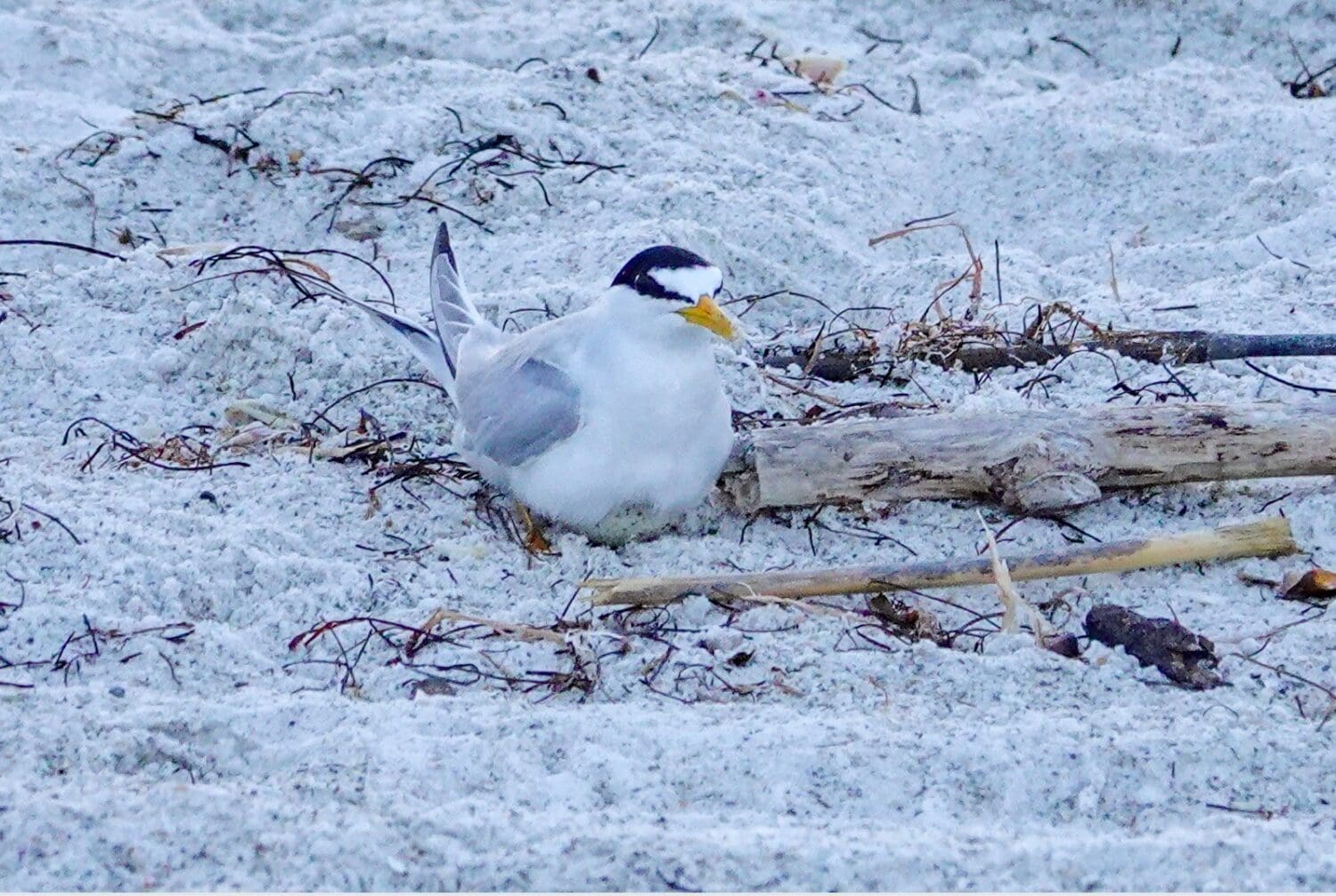
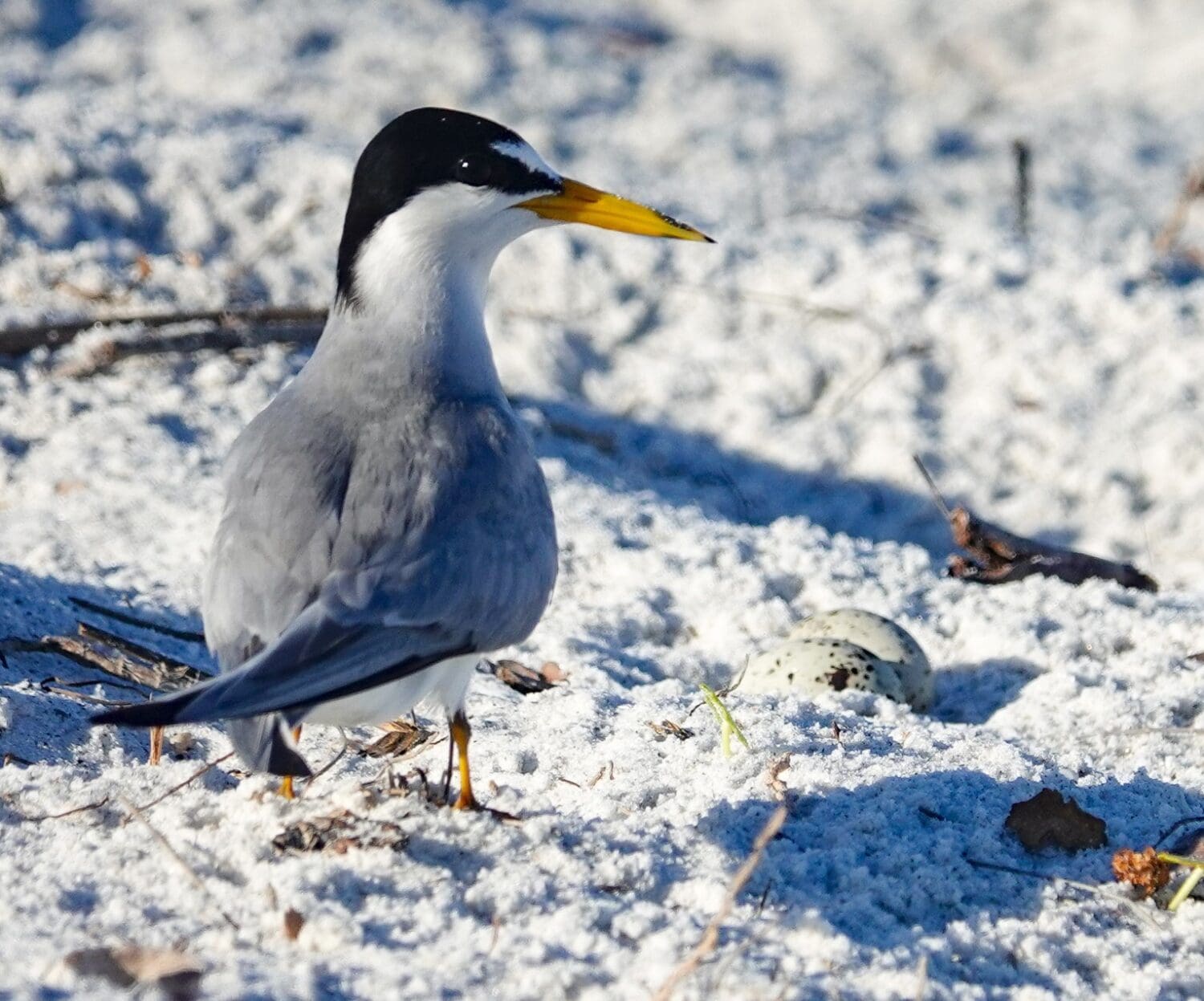
BRADENTON BEACH – A colony of least terns is continuing to grow and now has 36 birds with 20 of those sitting on eggs in the sand.
Anna Maria Island Turtle Watch and Shorebird Monitoring has been watching the nesting birds at an undisclosed location that has been roped off since nesting began the week of May 6.
As the eggs begin to hatch, beachgoers are cautioned to watch for chicks crossing beach access points. Turtle Watch volunteers have placed “chick fencing” near the beach access along with “chick huts” within the enclosure to shade the chicks and protect them from predators.
Least terns are listed as a threatened species in Florida. The population has declined in the last 10 years and estimates suggest the species is vulnerable to extinction if their current threats are not addressed, according to a press release from Turtle Watch.
Least terns become agitated by disturbances by people as well as avian predators. Birds may fly away from their nests, leaving eggs and chicks vulnerable.
“Avian predators such as fish crows and laughing gulls harass nesting birds and have been documented to eat unattended eggs and newborn chicks,” according to Turtle Watch Shorebird Coordinator Kathy Doddridge.
One way to manage the threat of fish crows is by using crow effigies – a likeness made from plastic and feathers to mimic dead crows.
The placement of effigies near nesting colonies is a management tool used to scare crows away and reduce the number of crows in a specific area. Turtle Watch volunteers have placed two effigies in the area of the least tern colony.
Turtle Watch offers the following reminders to beachgoers:
• Keep your distance. If birds become agitated or leave their nests you are too close. A general rule is to stay at least 300 feet away from a nest;
• Respect posted areas. Avoid posted nesting and resting areas and use designated walkways;
• Never intentionally force any birds to fly. When birds are chased or disturbed, they use the energy they need to reserve for nesting and migration;
• Pets are not allowed on Anna Maria Island beaches. Keep cats indoors;
• Keep the beach clean and do not feed wildlife. Food scraps attract predators such as raccoons and crows to the beaches. Litter on beaches can entangle birds;
• Spread the word. If you see people disturbing nesting birds, gently remind them how their actions may hurt birds’ survival. If they continue to disturb nesting birds, report their activities to FWC’s Wildlife Alert hotline at 888-404-FWCC (3922).