
Tag: fall fishing

Reel Time: Fall is in the air

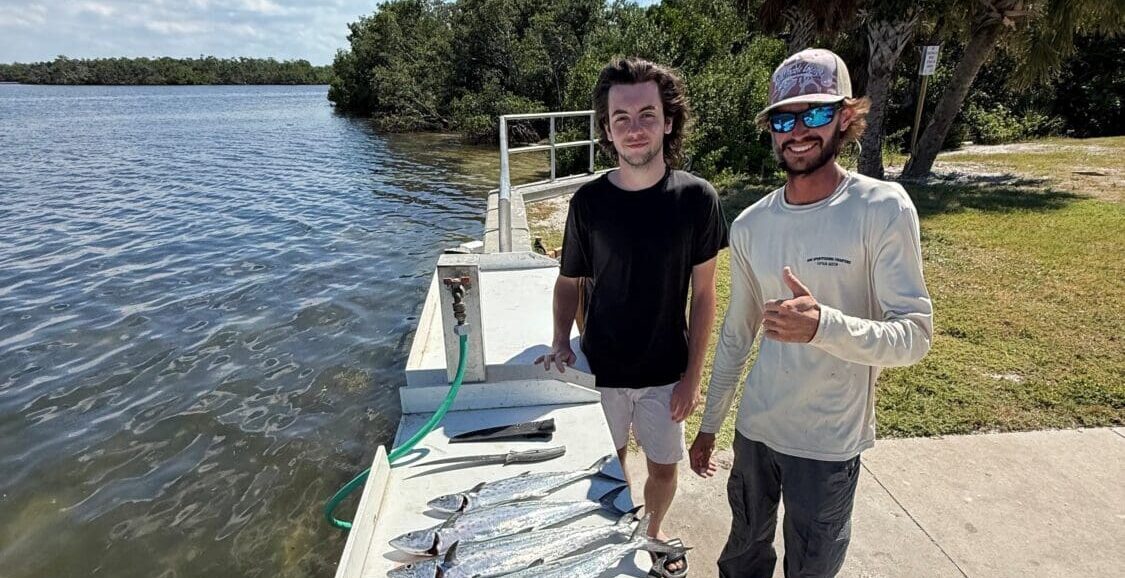
Fall is in the air. Most of our windows and doors are open and we’ve turned off the A/C, the time change has turned the lights on earlier and made the afternoon light fade all too soon. The changes ushered in by cooler temperatures and shorter days produce some of the best nearshore and offshore piscatorial pursuits. As water temperatures drop, schools of bait migrate inshore with pelagic species like kingfish, Spanish mackerel, false albacore (little tunny), cobia and tripletail hot on their tails.

Now is a great time to have tackle in order, a well-stocked rod rack and a time to keep a keen eye cast towards the sky for diving birds and breaking fish when you’re on the water. All these fall species will take live bait, lures or flies and can be caught on spinning, bait casting or fly tackle. Except for larger king mackerel and cobia most can be landed with light tackle, which adds to the challenge.

Rigging will depend on the species you’re targeting. Since it’s possible to encounter so many different species in a single outing, multiple outfits are a good idea. Rigging options include wire, monofilament, long shanked hooks or a combination. It’s possible to catch a kingfish or Spanish mackerel without wire but your odds aren’t good. Most species shy from wire, especially in clear water and when the sun is high. That’s the time to switch to a long shank hook or a heavy (60 pound) monofilament leader. Even then it’s possible to get cut off, but the action can more than make up for the possibility.

When using wire, an 8- to 12-inch trace can be tied to monofilament using an Albright Special knot (best) or a swivel. If you use a swivel, use black as opposed to a silver one to prevent fish from mistaking it for forage. American Fishing Wire and Orvis make an extremely flexible wire that can be knotted to your lure, hook or fly like monofilament; it also provides greater flexibility and less stretch than monofilament. Umpqua makes a product that’s ideal for fly anglers. Their Re-Twistable Haywire Twist wire is reusable and will allow you to change flies in a snap. This is the quickest and most painless system to rig wire for toothy fish. It’s safe to switch to wire under low light conditions like early morning, overcast days and late in the day.

One of the most effective ways to find schooling fish in the fall is to look for surface action and diving birds in the inshore Gulf waters. But don’t assume fish aren’t present if there are no outward signs of them. Predators can often be found around structure, reefs and wrecks that attract bait.

When you find feeding fish, you can approach them by trolling, drifting or with the use of a trolling motor. Whatever method you employ, never let your boat pass through or get too close to the action. With more and more boats and anglers pursuing feeding fish, they are likely to sound and move away. The best bet is to stay outside the action but within casting distance. If trolling, make wide turns so only your lures pass through the action.

Live bait anglers target schooling fish in several ways. By anchoring upcurrent from a likely area they may deploy a chum bag and then toss wounded live baits to draw fish into casting range. This can be an extremely effective method. Those that prefer artificial lures find spoons particularly effective as well as jigs like the DOA CAL or the Berkley Gulp. One of the most exciting and effective types of lures are top water models like the MirroLure Top Dog, the Heddon Zara Spook or Rapala Saltwater Skitter Pop. Not only is the strike visual and often explosive, but their action can attract target species.

Fly fishing is also an effective and exciting way to target fall species from cobia to tripletail, Spanish mackerel and even kingfish. The same rigging applies and top water flies like the Crease fly or Garthside Gurgler can produce some memorable strikes. Clouser Deep Minnows are also a great choice for Spanish mackerel and false albacore. This is a good time of the year to have a 10- or 11-weight rod rigged with a big black fly should a migrating cobia make an appearance.

Whatever your fishing style, take advantage of the great action you’ll find in area waters this fall. If you’re new to the game, consider hiring a guide. This is a great way to learn the ropes and a great value when shared with a friend.

Reel Time: Shifting seasons 

Reel Time: Shifting seasons 

I admit, it’s been a subtle shift from summer into fall, but even if the weather doesn’t reflect it, the shorter days and cooling Gulf waters are sending local anglers a message. One sure harbinger of fall is the arrival of king mackerel to inshore Gulf waters. The appearance of king mackerel, little tunny (a/k/a bonito) and Spanish mackerel are a sure sign that shoals of baitfish are congregating off area beaches.

Anglers wanting to target these species should look for diving birds in the inshore Gulf waters. This is a sure sign of feeding fish. Always approach a school of feeding fish cautiously, getting only as close as your longest cast. If trolling, just run lines and not motors around the edges of action. You’ll be respecting other anglers and have the best chance at catching fish.

There’s been a pickup in action in the inshore waters as well, with schools of redfish prowling the edges from Sarasota Bay to Miguel Bay. Snook action has also been consistent, especially on the last (strong phase) of an outgoing and the early incoming tide.

Stone crab traps are in the water and will be producing some mouthwatering claws starting Oct. 15. This should also signal the arrival of tripletail. These peculiar fish can be found impersonating seaweed on traps, pilings, buoys and any floating objects in bay and Gulf waters. A well-placed shrimp fly, DOA shrimp, or the real thing will most often elicit a response. Remember, tripletail are one of the few fish you can work a bait directly to because they’re ambush feeders.

The fall season through the first strong front in late November is one of my favorite times of the year. The oppressive heat lifts and Gulf and bay waters clear as temperatures trend down from the low 80s. Sight fishing for cruising fish of any kind is my idea of a perfect day on the water. Poling or wading a clear grass flat with fly or spin tackle is the most challenging and rewarding way to pursue gamefish in my world. Whatever your passion, pursue it, keep your ear to the “ground” and the shifting seasons won’t disappoint.

Tripletail

Fall brings exciting fishing to AMI

Now that the first cold front of the season has arrived on Florida’s west coast, anglers can expect some of the year’s best fishing. Lower water temperatures and the influx of bait schools will lure a host of pelagic species like Spanish mackerel, cobia, king mackerel and little tunny into Gulf and bay waters. In addition, floats along the beaches marking stone crab traps will attract tripletail, one of our most enigmatic gamefish.

A lot of the action you’re likely to encounter, especially in the Gulf, will center around schools of baitfish. In many cases it’s possible to take advantage of gamefish actively feeding on the surface. The best way to locate these schools is to look for feeding birds. When Spanish mackerel, little tunny and other predators are feeding on baitfish they drive the hapless minnows to the surface where they attract the attention of sea birds. Even when there is no “active” feeding on the surface, anglers should explore baitfish schools. To take advantage of this opportunity it’s important to follow a few simple tactics: avoid spooking feeding fish or bait fish by working the edges of schools or getting into position where you can make a long cast right into the melee.

When targeting Spanish mackerel, king mackerel and little tunny with lures, try top water plugs and flies. Not only is this an exciting and visual way to fish, it’s also very effective. If there’s active feeding going on make a cast right into the action. If there aren’t any outward signs of fish try working the edges of a school where predators prowl for the weak or wounded. When trolling make wide circles around baitfish or feeding fish so that lures, but not the boat, pass through the action. Fly fishers using flies can attract the attention of feeding gamefish by making several false casts near schools of bait and letting the fly and line rip off the water. On the third or fourth cast land the fly and begin a retrieve.

Tripletail are one of the least understood of all pelagic species and require the use of a technique that’s unique to them. In almost all cases one of the cardinal rules of fishing is to never approach a gamefish directly with lures or bait. The idea is that when a gamefish spots an angler’s offering it is moving away from them. Any prey that moves towards a gamefish wouldn’t last long and they know it. Tripletail are different because they are ambush feeders. They usually hover near objects like crab trap markers and other flotsam disguised as a piece of seaweed. When small baitfish and crustaceans come near they are an easy meal. When you spot a tripletail make a cast past them and work your bait or lure right into their face. This technique requires an accurate cast but will almost always elicit a strike. The best lure for fishing tripletail is one that mimics a baitfish or crustacean. A shrimp imitation like the DOA Shrimp is one of the best options. Shrimp are by far the most effective live bait. Flies should be small and the coloration of a baitfish or crustacean. Shades of tan and brown have been top producers over the years. A weed guard on a fly is a good option when fishing around crab trap floats. Most casts will need to be close to the floats and lines where tripletail hover.

Whatever your fishing style or preference the fall season is a great time to explore area waters. The cooling temperatures not only attract gamefish but they’re also a welcome relief from the hot and humid “Dog Days.” Make sure you carry multiple rigs so you can take advantage of the numerous opportunities that the season might offer.