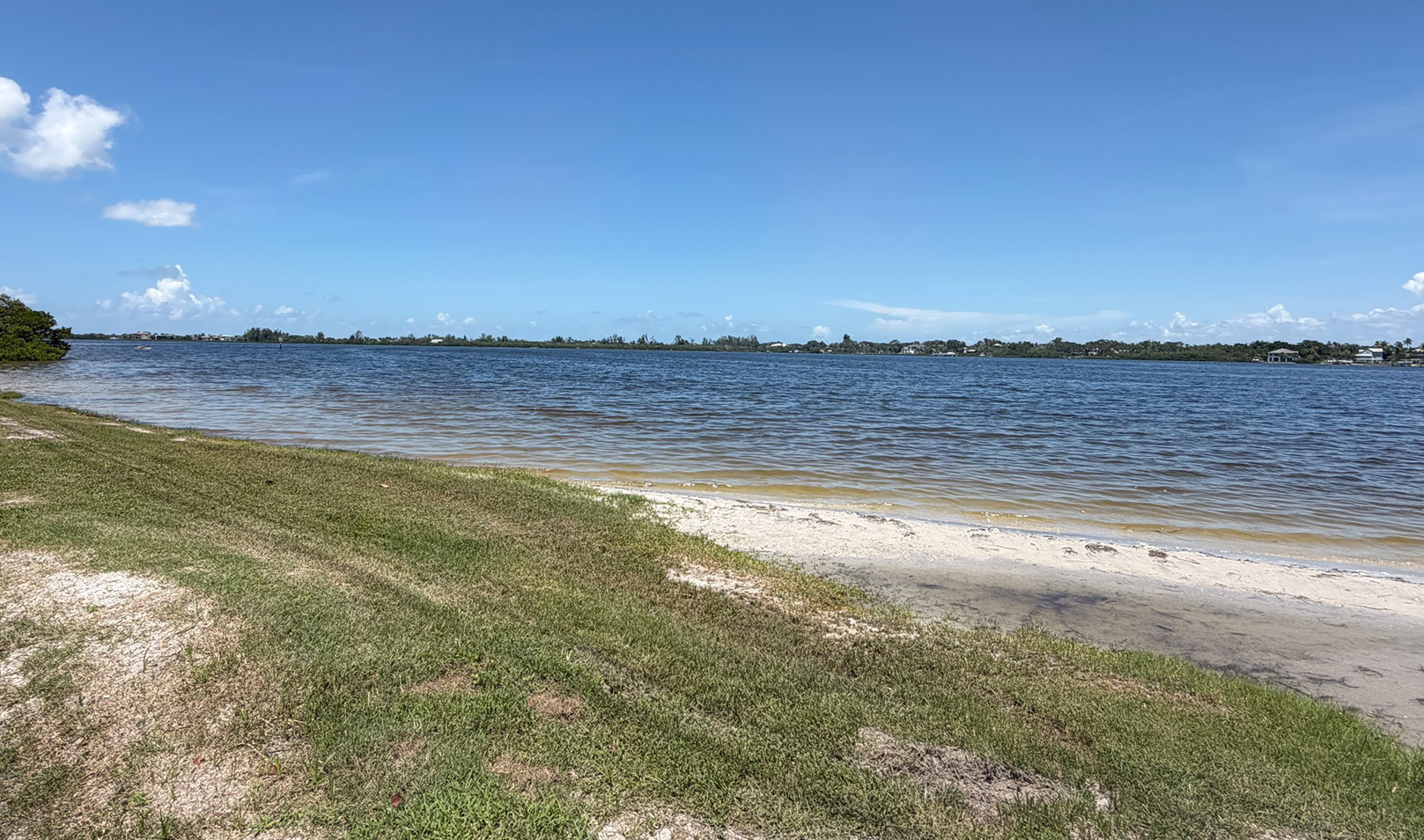
BRADENTON – According to Suncoast Waterkeeper water quality specialist Pia Ronquillo-See, the Florida Department of Environmental Protection (FDEP) has confirmed that Palma Sola Bay fails state bacteria standards and might require a plan to reduce pollution.
Ronquillo-See presented those findings during the Aug. 12 meeting of the Palma Sola Scenic Byway organization.
She said the FDEP notified Suncoast Waterkeeper by email in January that the bay does not meet water quality standards and needs a Total Maximum Daily Load (TMDL) pollution cleanup plan.
She said an impairment designation is driven by enterococci bacteria counts that have repeatedly exceeded state thresholds, according to the weekly sampling Suncoast Waterkeeper has conducted on the bay’s northeast side since 2022.
“Section 303(d) of the Clean Water Act authorizes the U.S. Environmental Protection Agency (EPA) to assist states, territories and authorized tribes in listing impaired waters and developing total maximum daily loads for these waterbodies. A TMDL establishes the maximum amount of a pollutant allowed in a waterbody and serves as the starting point or planning tool for restoring water quality,” according to the FDEP website.
The Florida Administrative Code sets two bacteria thresholds for Class II/III marine waters like Palma Sola Bay: a monthly geometric mean (average) of 35 enterococci and no more than 10% of samples exceeding a count of 130 enterococci over any 30-day period.
“Since we’ve been monitoring, we’ve found the 10% value is constantly being exceeded,” Ronquillo-See said.
Suncoast Waterkeeper’s data show exceedance rates above that threshold in recent years. Ronquillo-See said there were exceedances in Palma Sola in 23 of 46 samples taken in 2023, 20 of 47 samples taken in 2024 and 20 of 48 samples taken in 2025.
“So far this year we have nine exceedances out of 26 samples,” she said.
She said FDEP is finalizing a water quality assessment covering January 2019 through June 2026 and plans to submit it to the EPA between November 2026 and April 2027.
“Suncoast does not know how long EPA review will take, and TMDL development will not begin until after the EPA accepts the assessment,” Ronquillo-See said.
A dispute ensued during the meeting regarding the sampling done in January by the Florida Department of Health (FDOH) near a fishing pier and pavilion at Palma Sola Causeway Park, on the bay’s northwest side. FDOH’s results showed zero exceedances in 19 samples, compared with Suncoast Waterkeeper’s 9 of 26 rate during the same testing period.
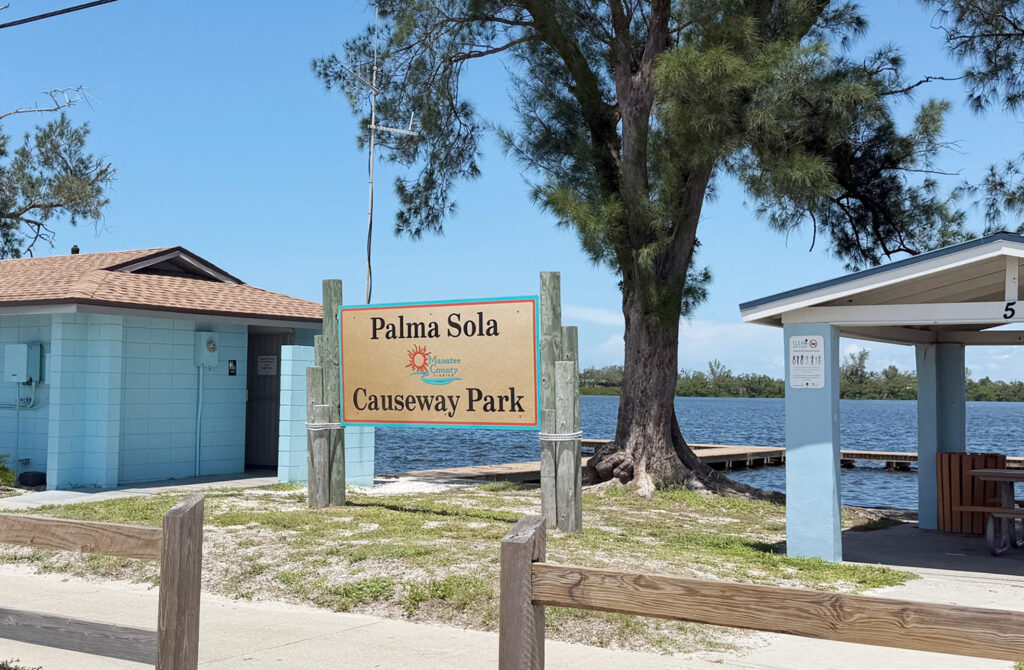
“The DOH results are mostly good and they haven’t had any swim advisories this year,” Ronquillo-See said.
She questioned the validity of the comparison, saying the health department’s testing site is in deeper water used for fishing rather than swimming. She said FDOH samples 18 inches below the surface. She said she wades above the knee and samples about 10 inches down in an area where people swim. One of the meeting attendees said they asked FDOH if they could observe their sampling methods and that request was denied.
She said an impairment designation could be reversed by three consecutive years of data that meets state standards.
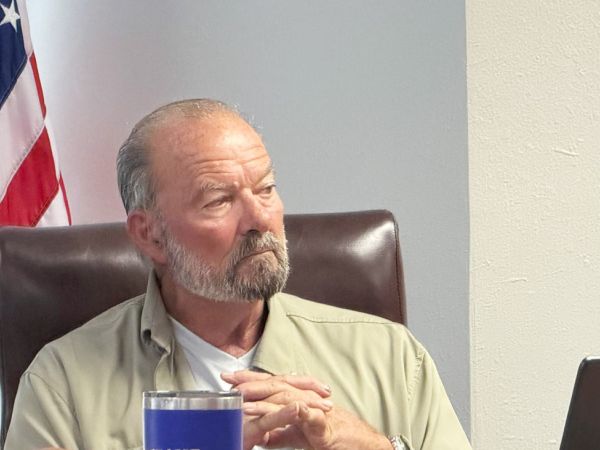
“I would question the credibility of their collection site,” board member Mike Meehan said. “That is not a swimming area, that is a fishing area. I never see anyone swimming off that pier.”
Suncoast Waterkeeper water quality values can be found at the Suncoast Waterkeeper Safe to Swim web page. FDOH testing values can be found at the Florida Healthy Beaches web page.