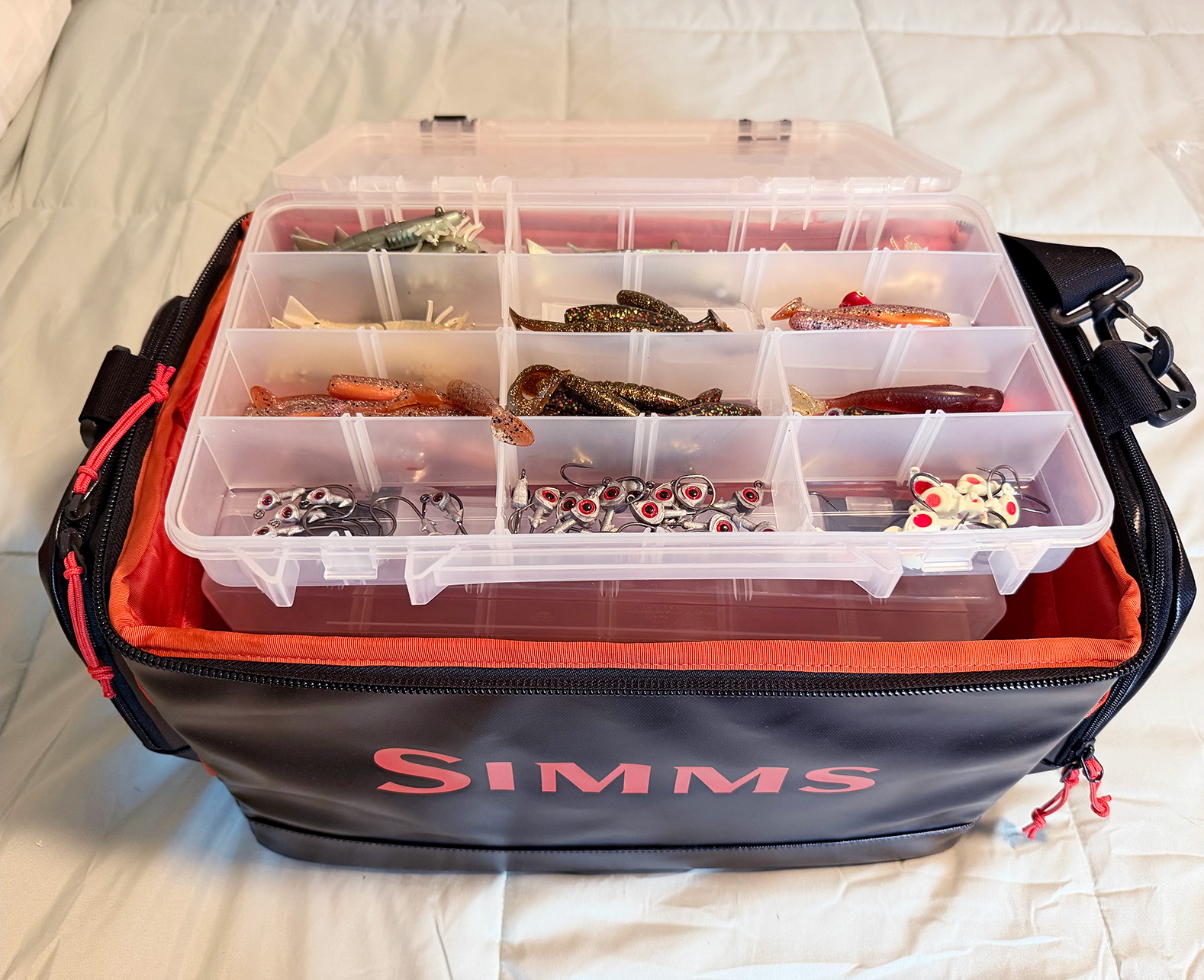
Tarpon season is “officially” over, the heat is intense, winds have been blowing hard from the west and the fishing has been less than spectacular. What’s a die-hard angler to do? How about organizing that tackle that you might not have taken time to arrange, sort and maintain. The things that might have slipped through the cracks when the only problem was finding enough time to go fishing?
When fishing is challenging, it’s the perfect time to reorganize the tackle box, check all your lines, practice casting and tie a few flies. Checking all systems on boats and motors, getting any needed service and making those changes and upgrades are much easier to accomplish when conditions are less than perfect.
Check all rods and reels for signs of wear and tear, clean fly lines and maybe even spool on some fresh line. This is a chance to correct mistakes before they happen. There’s nothing more deflating than finally getting on the water, hooking a good fish and losing it to a sticking drag, dull hook or a loose knot. Sitting down and making a checklist can help with the organization process and assist you in remembering those items that might get overlooked.
Starting with the tackle box or other tackle system, go through and make note of any lures or flies that you haven’t used that would be better put in a reserve box or thrown away. Especially look for corrosion on hooks. Often it might not be apparent. Just a small spot can mean a break that will result in the loss of a hard-won bite. More than once, I’ve watched a fish eat my fly and I wondered why I didn’t connect, only to find the hook had broken.
In the scheme of things, fishing line is inexpensive and warrants a close look.
If you have any question about wear and tear, this is a good time to take the plunge. Generally, it’s only the first few hundred feet of line that are used, so it’s a good idea to unspool a reel (fly or conventional) occasionally and check for corrosion on the spool. Even if you wash your rigs after every use, there’s a good chance the fresh water doesn’t penetrate deep into the line or backing. When cleaning a reel after use in saltwater, it’s a good idea to wash with a light stream as opposed to a sharp spray. You don’t want to drive salt into the remaining line on the spool.
Clean your reels and lubricate them inside and out. Lubricants generally come with a reel, but a silicone spray works well for the outside of the reel. For cleaning supplies, have cotton swabs, isopropyl rubbing alcohol, an old toothbrush, paper towels and rags available. Special care should be taken to document how you disassemble a reel, so you can get it back together when you’re finished. There are a lot of resources on the web with instructions on cleaning specific reels, special products and schematics, so searching for your brand is a good idea.
Rod maintenance should include a wipe-down with silicone on a clean rag, inspection and cleaning of ferrules and reel seats. Make sure to inspect the guides of a rod for any sign of wear, like a possible crack in the ceramic inserts.
No matter how good you are about maintaining your gear, a hard look at all systems will often reveal an overlooked item that will improve your fishing experience when you get on the water. The hot and windy days are a perfect time to make these inspections. Organize now, and when the time comes, you’ll be prepared to make the best of it.