

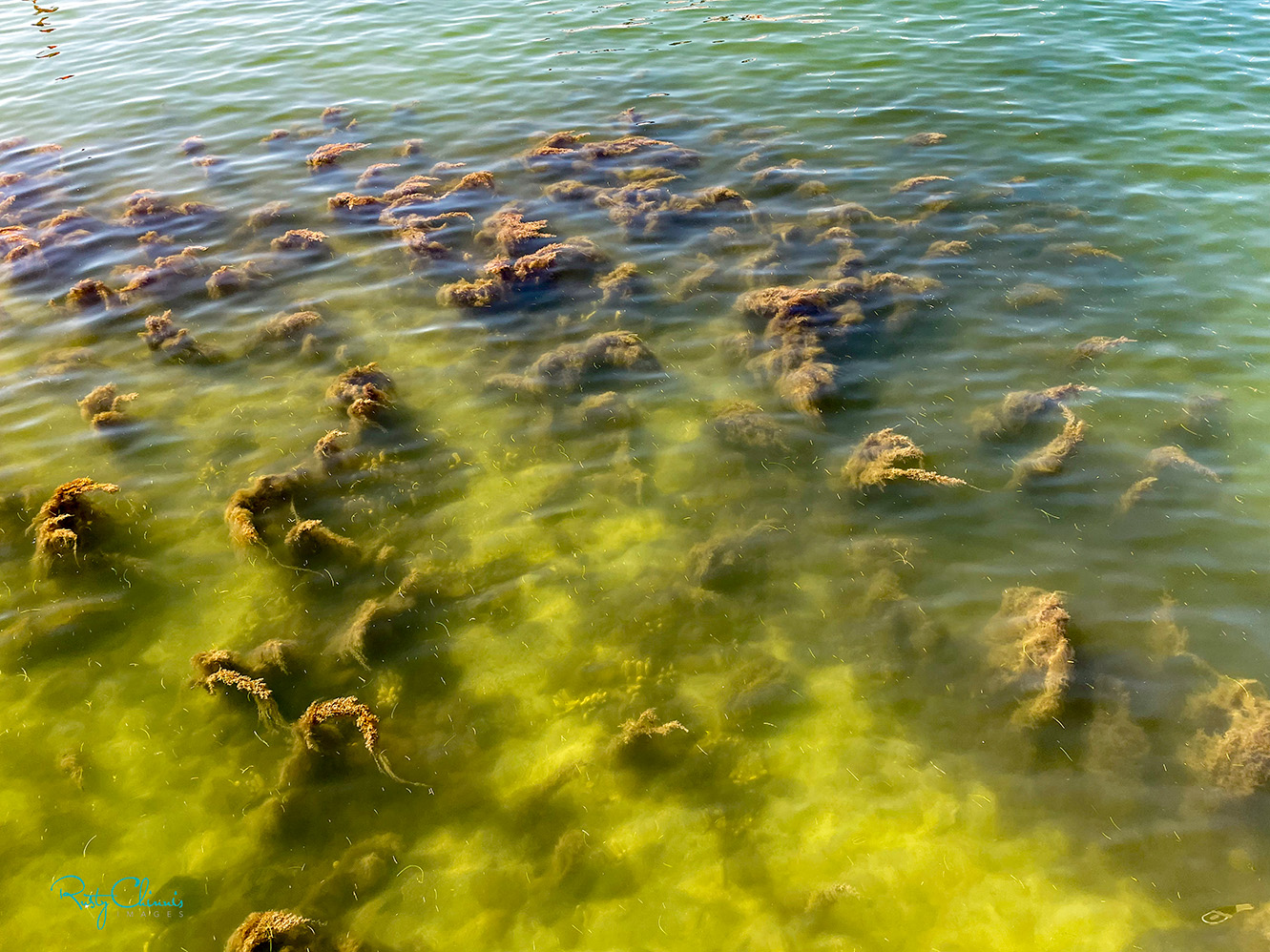
The Clean Water Act makes it possible for organizations like Suncoast Waterkeeper to threaten legal action to protect our waters from excess nitrogen that create algae blooms.
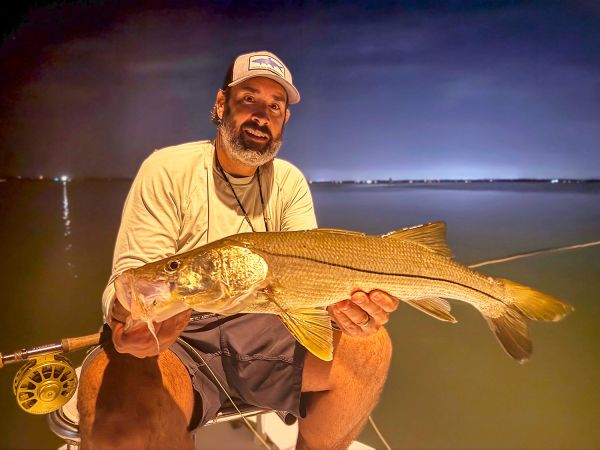
Anglers appreciate the value of clean water and healthy habitat. They see firsthand how the loss of a mangrove shoreline or water clouded by algae affects their catch. The same can be said of those who seek out the seabirds, manatees, dolphins and sea life that make this such a desirable destination.
Spend a couple of decades here and the effect of development, increased fishing pressure and the loss of habitat becomes apparent. That’s why the Clean Water Act (CWA) and the protections it provides is more important with every passing year. This critical protection is now under threat by shortsighted forces whose focus is on wealth over the health and continued resilience of this magical resource.
The CWA was passed in 1972 to protect the health of our rivers, lakes, streams and coastal waters. Before its passage, cities and factories dumped toxic chemicals and raw sewage directly into our waterways. To appreciate why the CWA is so important, consider the Cuyahoga River in Ohio that was made infamous by the severe industrial pollution that caused it to catch fire multiple times, which helped spur the American environmental movement.
According to Wikipedia, “The CWA now functions as the primary federal law in the United States governing water pollution. Its objective is to restore and maintain the chemical, physical, and biological integrity of the nation’s waters.”
Under the current administration, the Environmental Protection Agency (EPA) and the Army Corps of Engineers have proposed narrowing the definition of “waters of the United States” (WOTUS), potentially eliminating Clean Water Act protections for the majority of the nation’s waters.
The rule was released just before the Labor Day holiday, and the public was given only 30 days to respond, with comments. All comments are due by Oct. 9. Waterkeeper Alliance, of which Suncoast Waterkeeper is a subsidiary, is preparing a comment and is encouraging the public to speak up. Learn more at the Waterkeeper Quorum.
The proposal would limit federal protections for tributary rivers, streams and lakes to those with standing or continuously flowing water throughout the year during ordinary conditions. It would also sharply narrow protections for wetlands and require them to have continuous, perennial surface water connections to another protected water or, alternatively, be indistinguishably part of a traditional navigable water, the territorial seas, a jurisdictional impoundment or a jurisdictional tributary.
This extreme reinterpretation would strip federal safeguards from countless rivers, streams, lakes, wetlands and other vital waterways – undermining decades of clean water protections and threatening water quality across the country. Locally, the threat of legal action under the Clean Water Act led Sarasota County to limit discharges of nitrogen into Sarasota Bay by moving to advanced wastewater treatment. That threat is also responsible for the city of Bradenton limiting discharges into the Manatee River by improving the city’s wastewater treatment facilities.
In response to the proposed changes, Waterkeeper Alliance’s senior attorney Kelly Hunter Foster released the following statement: “If this proposal is finalized, at least 95% of individual wetlands and 79% of rivers and streams in the continental U.S. could be left vulnerable to pollution and destruction without federal protections. It would be the most consequential attack on clean water since the Clean Water Act was passed in 1972. EPA is threatening our drinking water, local economies, and public health when its job is to protect human health and the environment. Waterkeeper Alliance has been fighting for these protections for years, and we will continue defending the clean water that every community needs and deserves.”
Look into your children’s eyes and imagine what they will see in 20 years and if they will thank you for working to protect their future or ask, “why didn’t you think of us?” It’s important that we act on this and the many other fronts that threaten not only our children’s futures but that of future generations.