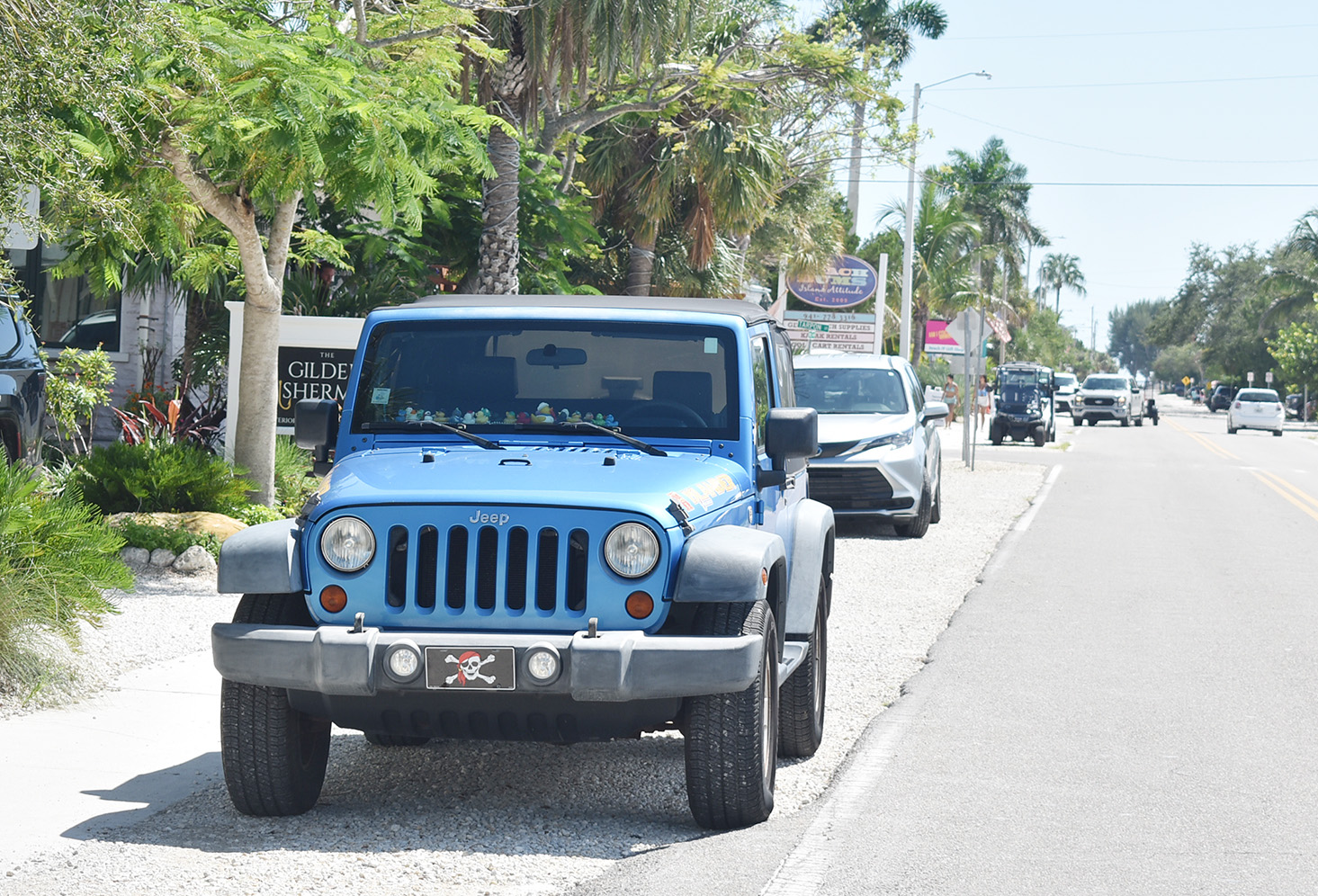
ANNA MARIA – The mayor and city commissioners are considering implementing a citywide parking plan in March that could potentially include 1,119 paid parking spaces located throughout the city. The study also proposes a resident permit parking program that provides free parking for Anna Maria residents.
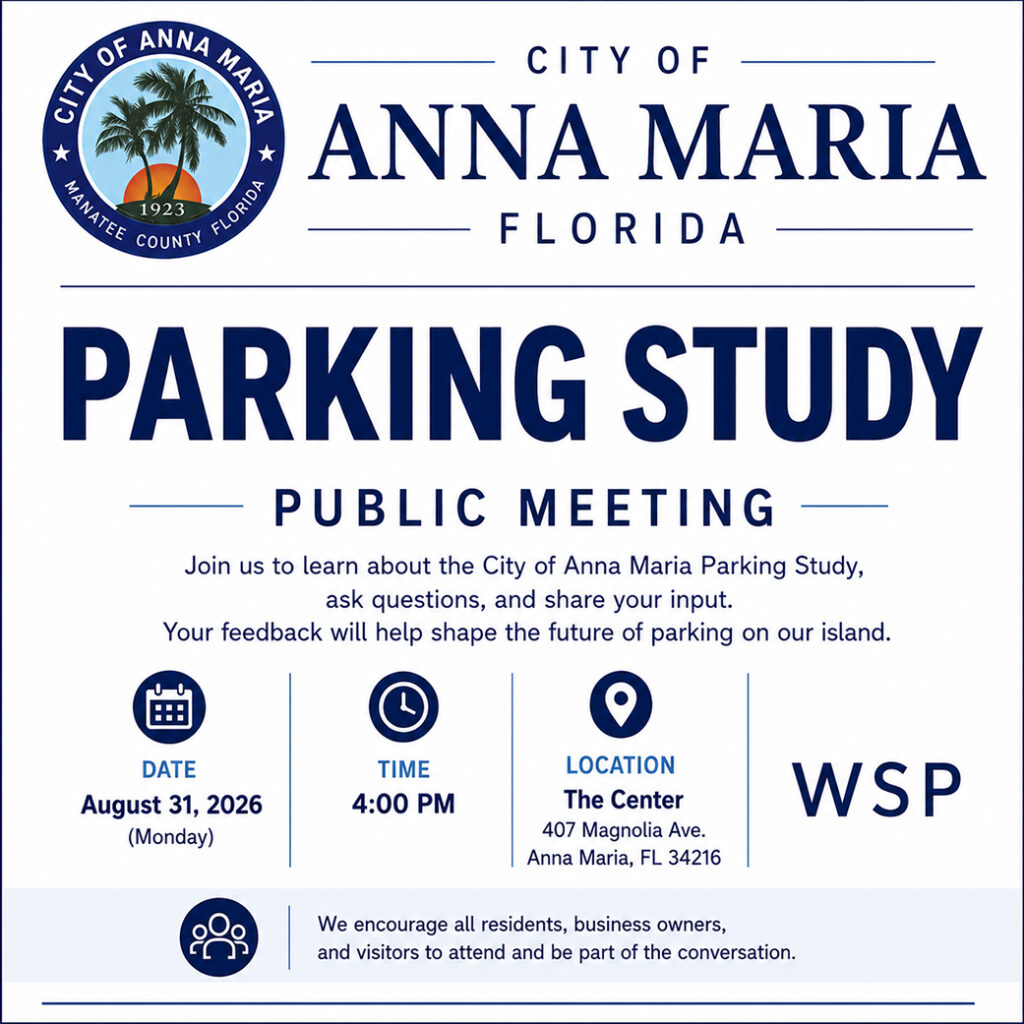
Seeking public input on the proposed citywide parking programs, the city will host a public meeting at The Center of Anna Maria Island at 407 Magnolia Ave. on Monday, Aug. 31, at 4 p.m. Public input can also be emailed to cityclerk@cityofannamaria.com.
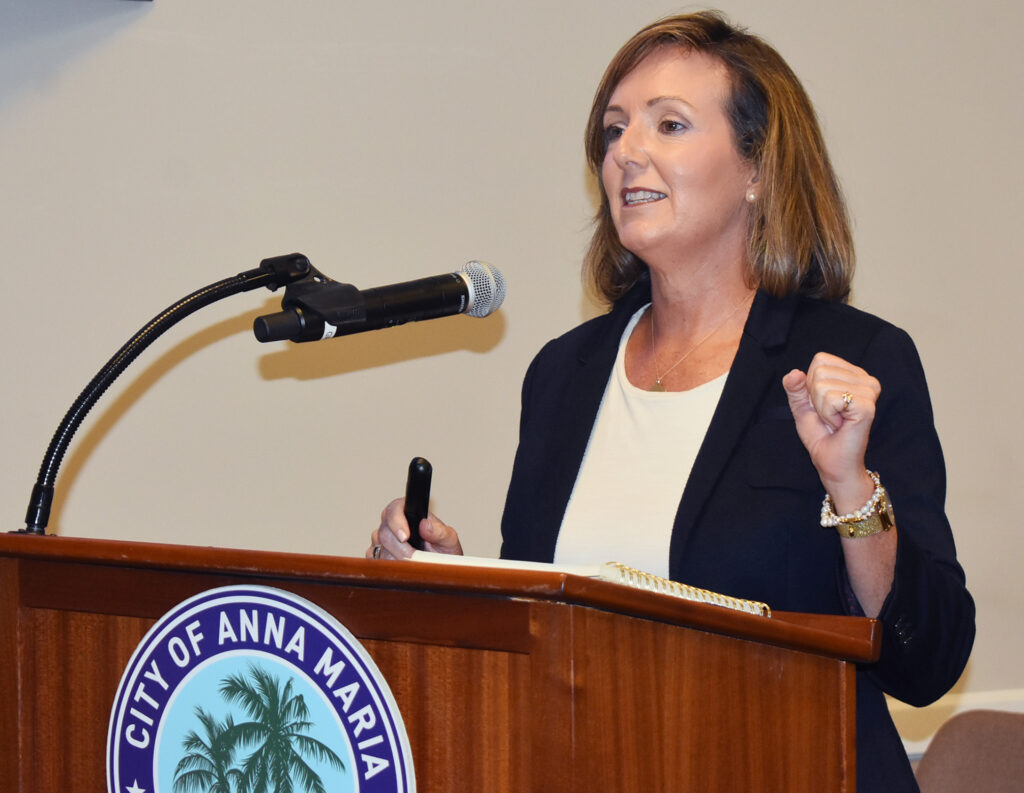
During the Tuesday, Aug. 11, informational meeting, WSP Senior Planner Christine Fanchi presented to the mayor and city commissioners the results of the parking study she began working on in May.
Fanchi suggested a $4.50-per-hour parking rate that she said would generate an estimated $25,000 per day and $11 million per year in paid parking revenue.
The study proposes three parking components. The permit parking component for Anna Maria residents would allow them to park in areas restricted to residents and their guests. The license plate reader-based permit parking system would also allow Anna Maria residents to park for free in the city’s paid parking spaces. The resident permit parking component would require online registration using the Passport portal, and Fanchi suggested a potential $5 registration fee.
The paid parking component would include hourly fees and three-to-four-hour time limits. The paid parking component would include special permits for resident events, parades, farmers markets, Center concerts, Island Players theater performances and more, and those details have not yet been fully worked out.
If implemented, the paid parking program would include special parking permits for employees who work in Anna Maria but don’t live in the city. Fanchi said the Passport online portal would be used to apply for the various types of special parking permits. She said the city would assign a yet-to-be-determined fee for parking permits issued to landscapers, construction workers and other contractors, restaurant and retail employees and others. Fanchi said each special parking permit would require city approval. Fanchi did not propose any specific rates for the special parking permit fees.
Fanchi proposed launching the parking program in March, in time for peak tourist season.
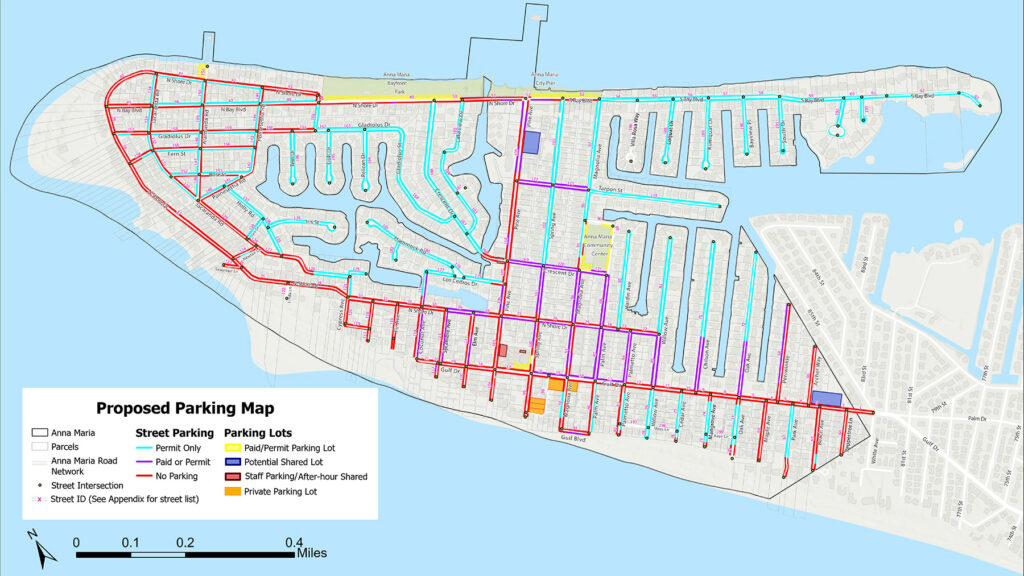
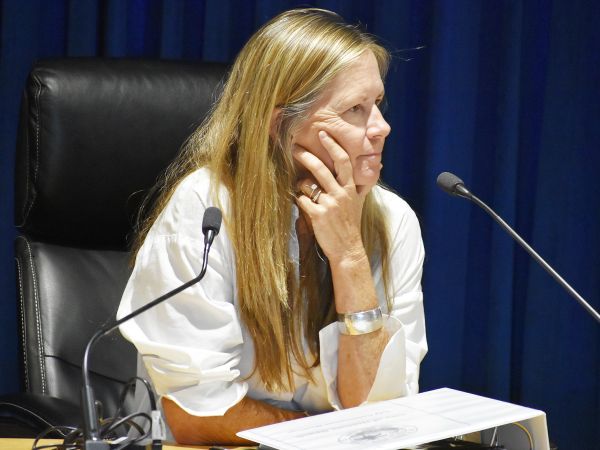
During the Aug. 11 discussion, Mayor Mark Short noted that the proposed citywide parking plan, and the parking maps contained within it, remain a work in progress and that no final decisions have been made to implement the proposed parking program.
Parking inventory
According to the WSP study, there are currently 4,573 parking spaces in Anna Maria. Short said he was shocked to learn there are that many parking spaces in the city. There are currently 3,309 on-street or streetside parking spaces and 265 parking spaces located in the city-owned public parking lots that include the Bayfront Park parking lot, the parking lot near the Island Players theater and the city hall parking lot. The study also identified 113 parking spaces already located in privately owned parking lots that would not be part of the city’s paid parking program.
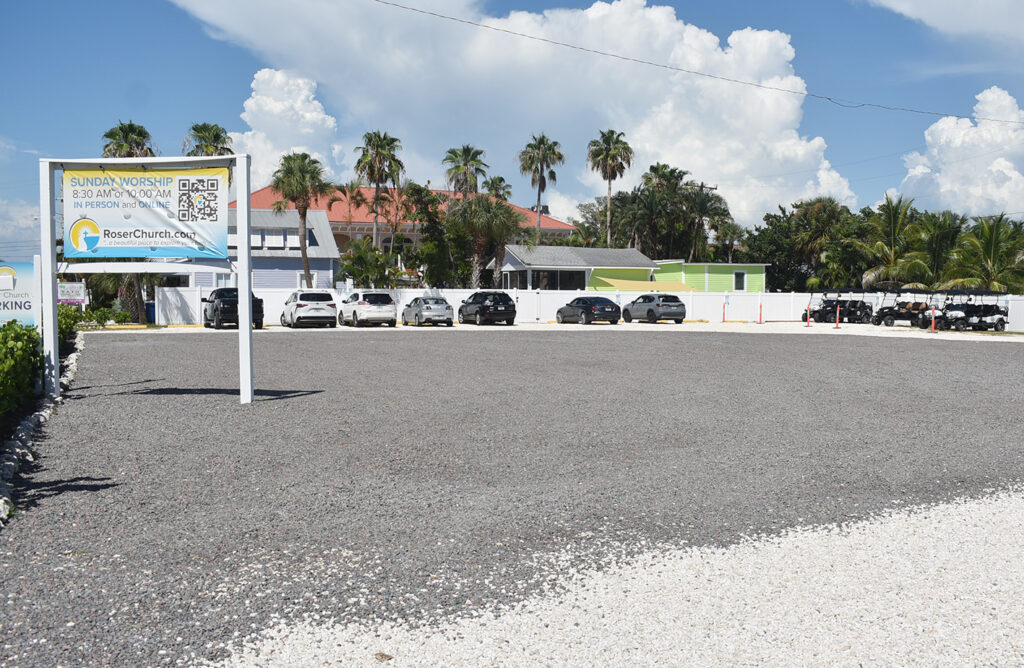
The study notes up to 130 additional parking spaces could be utilized via shared parking agreements with Roser Memorial Community Church on Pine Avenue and the CrossPointe Fellowship church along Gulf Drive at the entrance to the city.
The WSP study proposes designating 1,119 paid parking spaces, with 825 on-street and 294 in parking lots. The study references 52 spaces for Pine Avenue business parking and 26 Gulf Drive parking spaces, all with time limits.
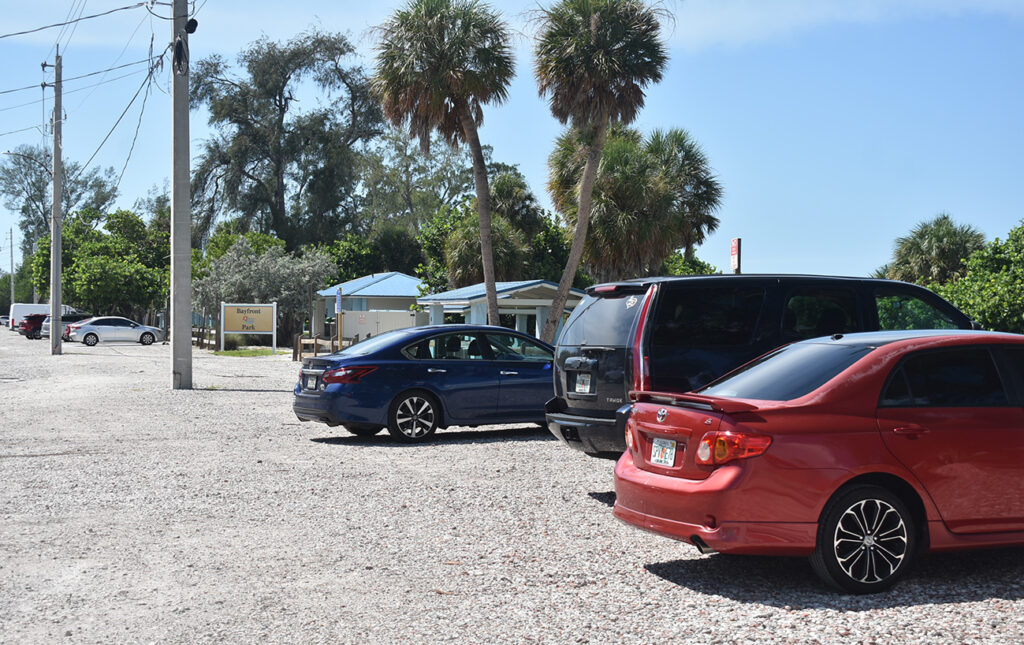
The study proposes the future reconfiguration of the Bayfront Park parking lot in a manner that would result in 120 90-degree parking spaces or 104 45-degree parking spaces. The study proposes reconfiguring Palm Avenue to create 29 new parking spaces in addition to The Center’s 32 existing parking spaces.
Resident parking
“The permit parking, as I mentioned, would be open to all residents,” Fanchi said.
Fanchi said internal, study-related discussion about vacation rental guest parking concluded that would be hard to regulate. She said the vacation rental owner could get a parking permit, but their rental guests would not receive permits that provide them with free parking when not parked on the rental property or when parking near restaurants, businesses and other destinations in Anna Maria.
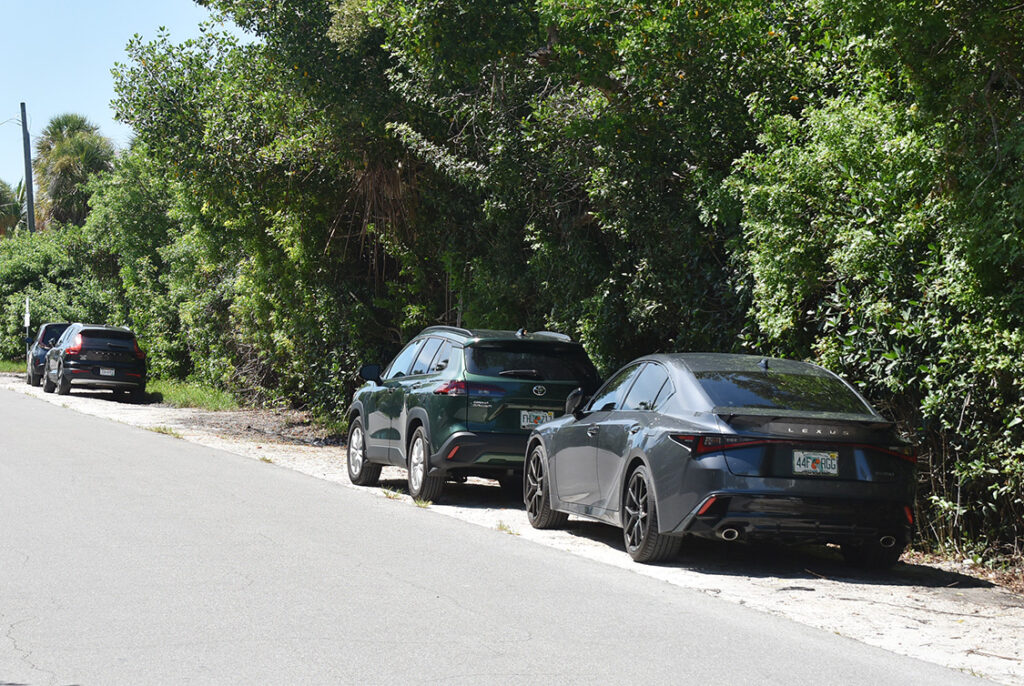
Regarding the resident permit parking, Short said, “If someone that lives on South Bay wants to go on the Gulf side to watch sunset, or go there for the day, they should be able to know that they’re gonna be able to go over there and have a very good chance of having a place to park because of not competing with every spot being a park spot. Right now, they are competing with every one of those spots being free to anybody.”
City Clerk Amber LaRowe said, “My goal is residents should never pay, nor should their guests if it’s a day, party, weekend stay.”
Paid parking
“Paid parking encourages users to be more mindful of the time they occupy a parking space, resulting in greater turnover and more parking opportunities for visitors, customers, and patrons of local businesses,” the 18-page draft version of the parking study presentation says.
Fanchi said the city already uses a system provided by Passport Labs Inc. to issue parking tickets and collect parking fines. She recommends using Passport for the proposed resident permit and paid parking programs.
She said the paid parking would include 1,119 paid spaces, with approximately 825 streetside spaces and 294 public parking lot spaces.
The proposed paid parking system would offer four payment methods: a phone app, a text-to-pay option, a call-to-pay option and a QR code option. The proposed paid parking system would use signs but would not use parking meters or self-pay kiosks. Fanchi said many Florida cities are moving away from meters and kiosks because they are hard to maintain in Florida’s corrosive salt-air environment.
Fanchi said the proposed $4.50-per-hour rate would generate an estimated $25,000 per day and $11 million per year in parking revenues, most of which would go to the city. The city commission has not made a final decision on what the hourly fee would be if paid parking is implemented.
“And $25,000 a day was on the conservative side,” Fanchi noted.
In addition to paying the hourly parking rate, users would also pay a 65-cent transaction fee each time they park. Fanchi said Passport would keep the 65-cent transaction fee. She said Passport would not receive a percentage of the hourly parking fee and would instead negotiate a flat fee to be paid by the city. She did not provide an estimated range for what that negotiated fee would be.
Fanchi said the hourly parking rates could easily be adjusted for weekdays, weekends, holidays, peak seasons and special events.
Fanchi said she researched comparable municipal parking rates in St. Augustine, Clearwater, Key West, St. Pete Beach and Cocoa Beach. Those rates ranged from $2.50 per hour to $6 per hour, and the combined average was $4.50 per hour.
Short said his daughter recently paid the $12 hourly rate to park in one of the privately owned paid parking lots in Anna Maria while grabbing a cup of coffee.
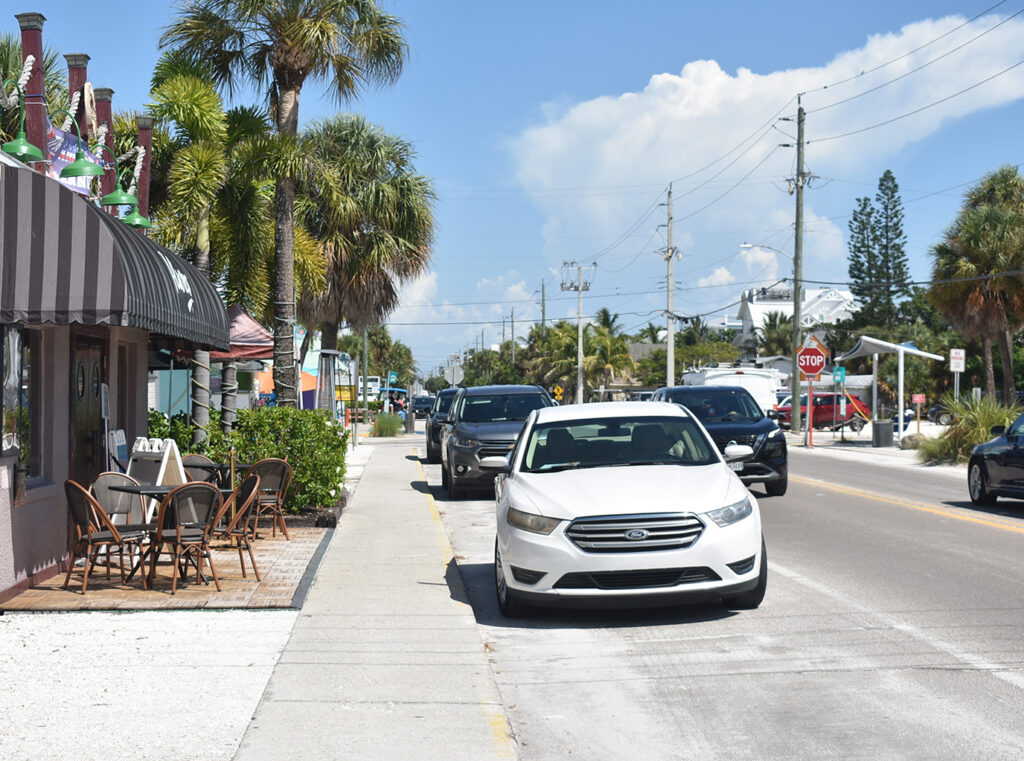
When asked if the streetside parking spaces along Pine Avenue and Gulf Drive would be paid parking spaces, Short said that has not been determined yet. Subject to change, the preliminary parking map included in the study presentation identifies those areas as paid parking or permit parking.
Short said the parking study was conducted in anticipation of Manatee County eventually implementing paid parking at Coquina Beach in Bradenton Beach and Manatee Beach in Holmes Beach.
“I’m not saying they will, but if they do that, we definitely have to have a plan in place,” Short said.
He said if people are being asked to pay $20 to $40 to park at a county beach, some beachgoers would come to Anna Maria instead.
“So, part of this has to at least take into account the pay-to-park scenario to potentially react to what the county does. But also, it’s our city. We can do whatever we want,” Short said.
Funding and phasing
According to LaRowe, the city has spent $39,477 on the parking study to date. Fanchi and the study propose completing the first implementation phase by March. For the first phase, the study proposes spending an estimated $292,000 for parking sign costs that include $64,000 for paid parking signs, $96,000 for resident permit parking signs and $132,000 for no-parking signs.
When contacted later, Fanchi clarified the potential signage costs.
“The estimates presented were a very first draft of the items needed to implement the proposed parking system. WSP has not completed a sign inventory to understand how many of the existing signs and posts can be reused in the proposed condition. The estimates were worst case, using all new signs and posts at a rate of a private contractor installing them,” she said.
“In the meeting, we discussed doing a sign/post inventory following the public meeting, getting the city’s cost for sign posts/signs and updating the cost estimates. The paid parking signs are provided by the vendor at zero cost to the city. The city will need to install the posts, $64,000, but that figure will come down after sign inventory is completed and the city’s cost is updated,” she said.
The study calls for Phase 2 to be completed by August 2027. To create additional parking spaces, the Phase 2 recommendations include reconfiguring the Bayfront Park parking area for $39,200 and the Palm Avenue parking area near The Center for $2,000.