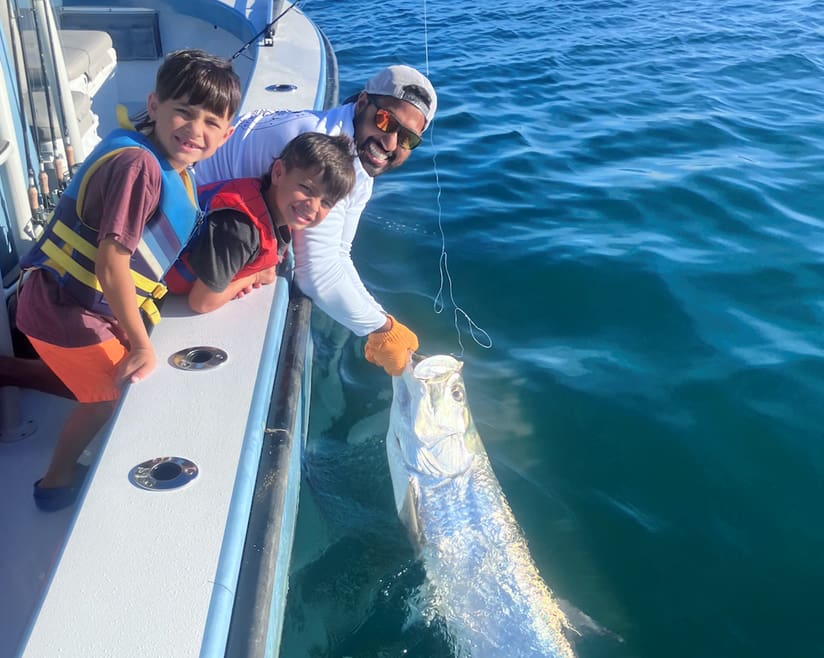
Lately it seems I’m constantly reminded how our experiences growing up mold us into the kind of people we become. The lack of respect for the environment that sustains us emphasizes just how important it is to give children positive, optimistic and life affirming experiences growing up.

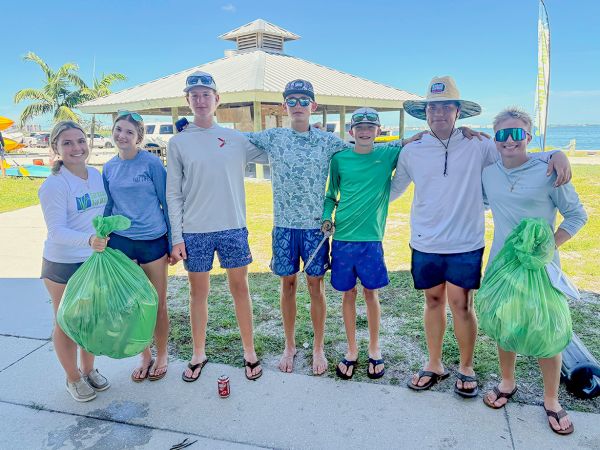
Anna Maria fishing guide Capt. Justin Moore and I were talking on the phone the other day when I overheard him tell his clients that they needed to pick up some trash on the water as they were leaving the dock for a day of fishing. He finished by telling the children on board how that would give them luck that day.
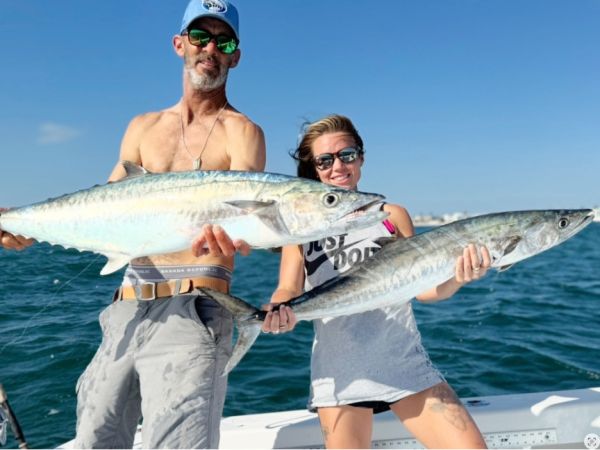
Introducing children to fishing and the natural world that supports it can create the foundations of a healthy and well-adjusted adult. Those experiences on the water leave indelible memories and help impart the importance of camaraderie and protecting the natural world.
Creating unrealistic expectations can discourage young anglers and be the difference between the kindling of a passion or an aversion to the activity. The basics of fishing are easy to teach and don’t require expensive equipment. If there’s a cardinal rule to getting kids interested in fishing, it’s to keep them engaged.
Children are naturally curious; they love to play in and on the water and are fascinated by the creatures they find there. Catching fish isn’t their main objective and you shouldn’t make it the focus of an outing. It’s important to plan a trip that includes other activities like picking up trash, bird identification, swimming and snorkeling as well as fishing.
Being on the water provides an excellent opportunity to teach kids about their environment and boating safety skills. It’s important to let kids be a part of the adventure and getting them involved is a great way to interject a lesson in responsibility. Let them drive the boat even if they’re just sitting on your lap while you steer. Introduce them to navigating the Intracoastal Waterway and give them things to be in charge of such as making sure everyone knows where the safety equipment is.
Don’t start children out with cheap fishing rods and reels or teach them bad habits like not picking up trash. Provide them with decent equipment that’s light and manageable. An ultra-light rig with 6-pound test line is a great way to start. Try and think like a kid when fishing. Children would rather catch a dozen pinfish in a half hour than wait hours for a chance at a bigger or better fish. Action is paramount; kids are easily bored and distracted.
Consider starting kids fishing with a small popping cork that they can watch for signs of action. If you can start teaching kids that the enjoyment of the adventure isn’t measured by the number or size of fish you catch, you’ll teach them an important lesson that many fishermen never learn. If you can make the experience interesting for them, even if they don’t catch anything they are more likely to want to do it again. Kids might be more interested in collecting shells, counting crabs or looking for manatees or dolphin than fishing, so be sensitive to what’s bringing them pleasure.
Besides fostering a love for the natural world and a desire to protect it, it’s also important to emphasize the basics of safety by bending down barbs and making them aware of fish with sharp teeth and stingers like catfish and sting rays. These first experiences on the water are very important and you should consider a plan of action in advance in case the fishing isn’t great. The last thing you want to do is bore kids by sitting on a spot too long. Keep your eyes and ears open and you might learn a lesson or two from them!