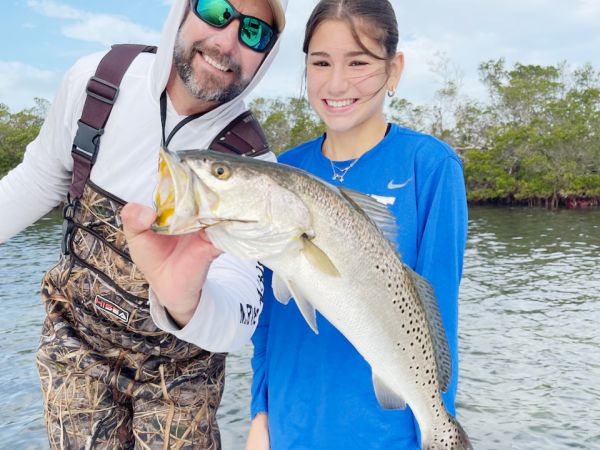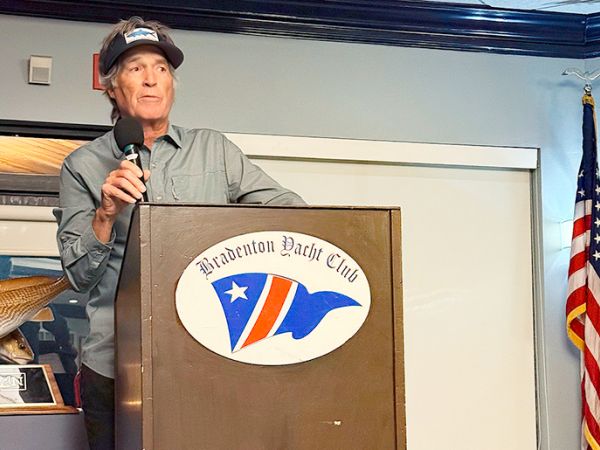


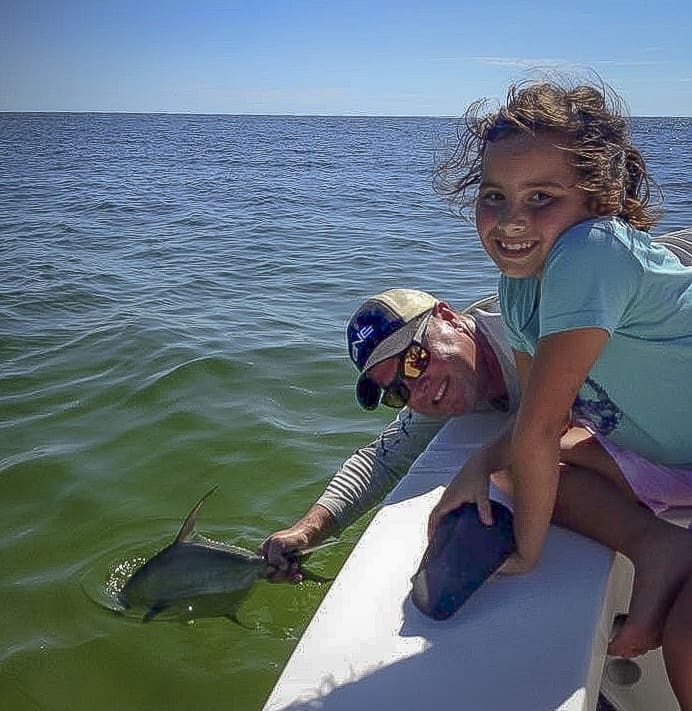
Every time I hear a new angler say, “Wow, this place is paradise,” it takes me back to the early 80s when I met Capt. Scott Moore and began fishing Suncoast waters. I had much the same response so many years ago, and while this place is still a paradise, I’m all too aware of the changes I’ve seen over four-plus decades and how they’ve impacted the fishing and habitat that brought us here in the first place.
Those changes haven’t all been bad because prior to environmental regulation (1940s-70s), canal dredging, port expansion, causeway construction, spoil islands, seawalls, marina construction and urban runoff had contributed to an estimated loss of over 6,000 acres of seagrass in Sarasota Bay and 40,000 acres in Tampa Bay.
Neighborhoods like Key Royale on Anna Maria Island, County Club Shores on Longboat Key and Bird Key in Sarasota are just a few of the developments that filled seagrass meadows, destroyed mangroves and increased turbidity in bay waters, blocking light from remaining seagrass beds.
From the early 80s through the early 90s, recovery began with the creation of the Tampa Bay National Estuary Program (TBEP) in 1983. The start of coordinated nitrogen reduction plans began in Tampa Bay in 1987. In 1991, the Sarasota Bay National Estuary Program (SBEP) was established and in 1995, regional agencies adopted a seagrass restoration goal of 38,000 acres which was based on 1950s mapping.
Early results from these efforts included improved wastewater treatment, fertilizer and stormwater regulations as well as a public and political focus on the health of local estuaries. At the peak of the recovery between the early 2000s and 2015, Tampa Bay recovered over 40,000 acres of seagrass, which exceeded the restoration goals. Meanwhile Sarasota Bay experienced a steady increase in seagrass coverage to over 13,000 acres by 2016.
During this same period, alarmed anglers organized and formed the Florida Conservation Association (now the Coastal Conservation Association), which began establishing chapters in Florida to lobby for protection of species like trout, redfish and snook. That effort began locally in 1985 with the establishment of the Manatee chapter, and in 1986 with the Sarasota chapter, the state’s fifth and sixth chapters. Those years between the early 80s and 2016 gave anglers a reason to celebrate achievements that included redfish’s designation as a protected species in 1991 and the Florida net ban in 1995.
Unfortunately, those improvements ended between 2016 and 2020 when warming waters, high rainfall, algae blooms, development pressures and hurricanes like Irma contributed to increased runoff and turbidity. That trend only intensified from 2020 to 2024 and resulted in an estimated loss of 2,000-plus acres in Sarasota Bay (a nearly 20% decline) and over 10,000 acres in Tampa Bay. While there were many factors that contributed to the loss, the 2021 release of over 200 million gallons of nutrient-rich water from Piney Point exacerbated an already serious decline.
At a time when there should have been serious measures enacted to reverse this decline, just the opposite occurred when commissioners in Manatee County voted (against the will of the citizens) to actually reduce wetland setbacks for developers. This blatant disregard of the public resulted in the replacement of commissioners that voted at the will of developers when they were up for reelection in 2024.
When the newly-formed commission attempted to reverse the rule reducing wetland setbacks, they were challenged by state agencies while the Florida Legislature was in the process of enacting SB170/HB 1515 in May 2025. Dubbed “The Mother of All Preemptions,” the bill automatically suspends any local ordinance as soon as it’s legally challenged, even before courts decide on its validity. This bill allows developers or businesses to sue local governments and seek reimbursement for legal costs (up to $50,000), creating a deterrent against passing locally driven rules.
This isn’t or shouldn’t be a political issue, but it clearly shines a light on the need for every citizen to be informed about and involved in decisions being made at the local, state and national level that affect them and future generations. Call it “enlightened self interest.” The choice determines who directs the future of the natural resources that form the basis of our environmental and economic future. We either get involved and vote for leaders who protect a future for our children or let our inaction fuel the greed and power struggles that will dominate in our absence.