BY OURANIA LEATHERMAN
When children play, they are doing much more than having fun. They are learning, exploring, and developing skills that will support them as they grow.
One important area of development is fine motor skills – the coordination and control of the small muscles in the hands and fingers. Fine motor skills are essential for many everyday tasks, from feeding and dressing independently to drawing, writing, using scissors, and handling classroom materials. Developing these skills helps lay the foundation for greater independence and future academic success.
Parents and caregivers don’t need expensive toys or elaborate activities to support fine motor development. Some of the best opportunities can be found in simple activities at home.
Here are a few fun activities to try with your child
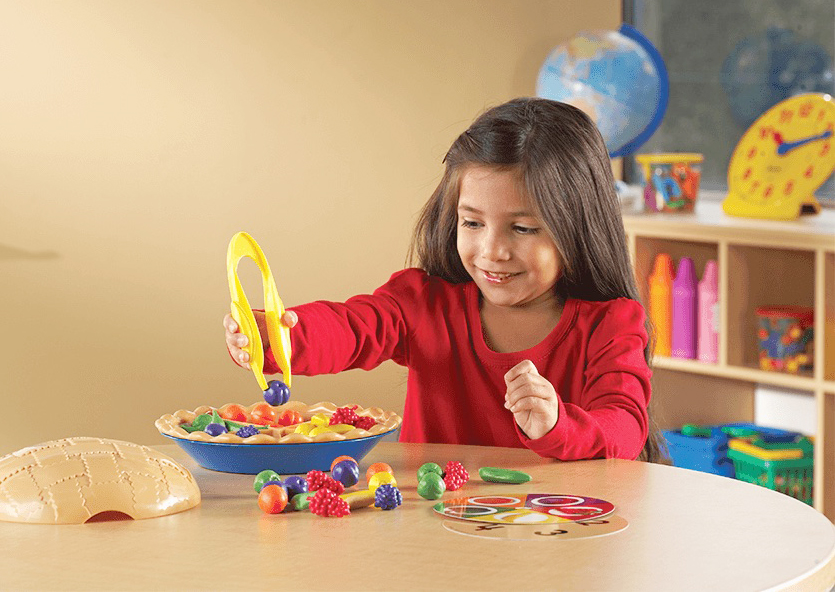
Pick it up: Tweezers and clothespins
Gather some cotton balls and child-safe tweezers or clothespins. Place the cotton balls in one container and have your child use the tool to pick them up and transfer them to another container.
This simple activity encourages children to strengthen the small muscles in their hands and practice hand-eye coordination. For an added challenge, try using different-sized objects or containers.
Get creative with stickers
Sticker art is another easy activity that combines creativity with fine motor practice. Draw a simple shape or outline on a piece of paper, and give your child a sheet of stickers.
Ask your child to peel the stickers and place them inside the designated area. They might fill a heart, circle, star, or even an outline of their favorite animal. Peeling and placing stickers requires precision and coordination, making this a fun way to work those little fingers.
Set up an animal wash
Turn bath time into a playful learning experience by creating an animal-washing station. Set up three small bins: one with soapy water, one with clean water, and one dry.
Have your child use a sponge to wash the toy animals in the soapy water. Then, they can dip the animals into the clean water to rinse them before using a towel to dry them.
As children squeeze the sponge, grasp the animals, and move them between the different containers, they are practicing a variety of fine motor movements. The pretend-play element also keeps them engaged and interested.
Learning through everyday play
Fine motor development doesn’t have to involve structured lessons or complicated activities. Children can build these important skills through everyday play and exploration.
The next time your child reaches for the playdough, asks to play with stickers, or wants to wash their toys, remember that they are also developing the strength, coordination, and control they will use in many areas of life.
Small hands are busy learning – and those little movements can make a big difference.