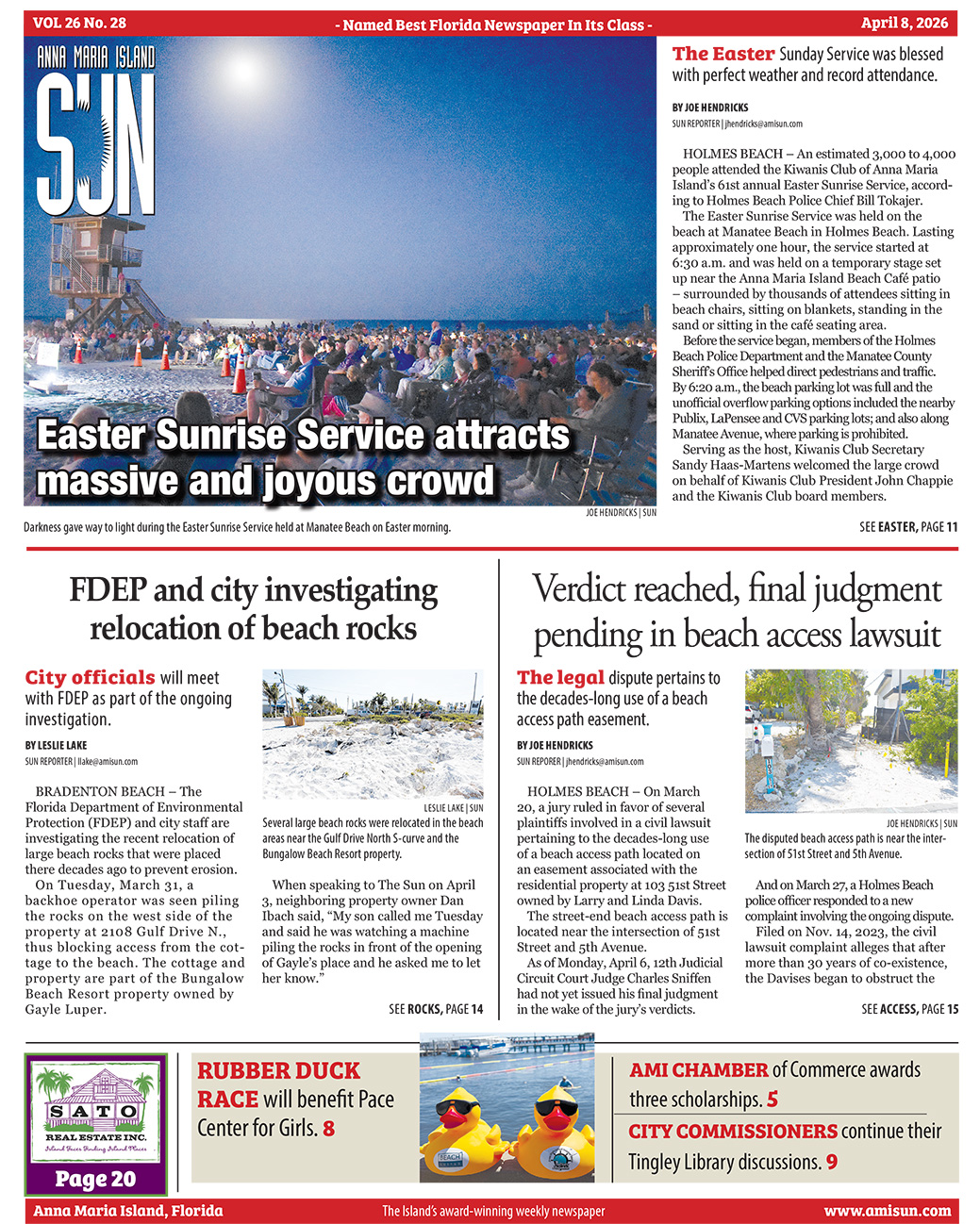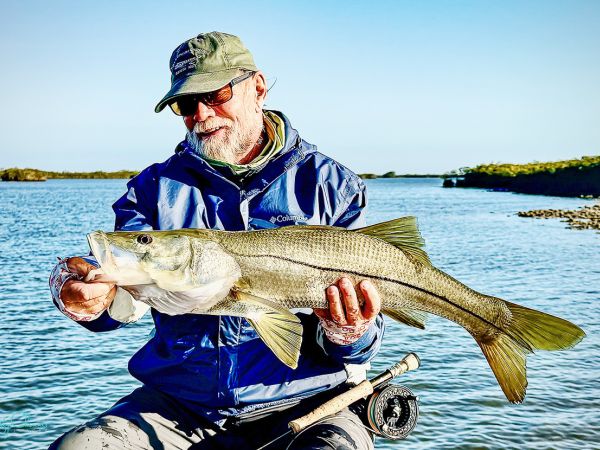


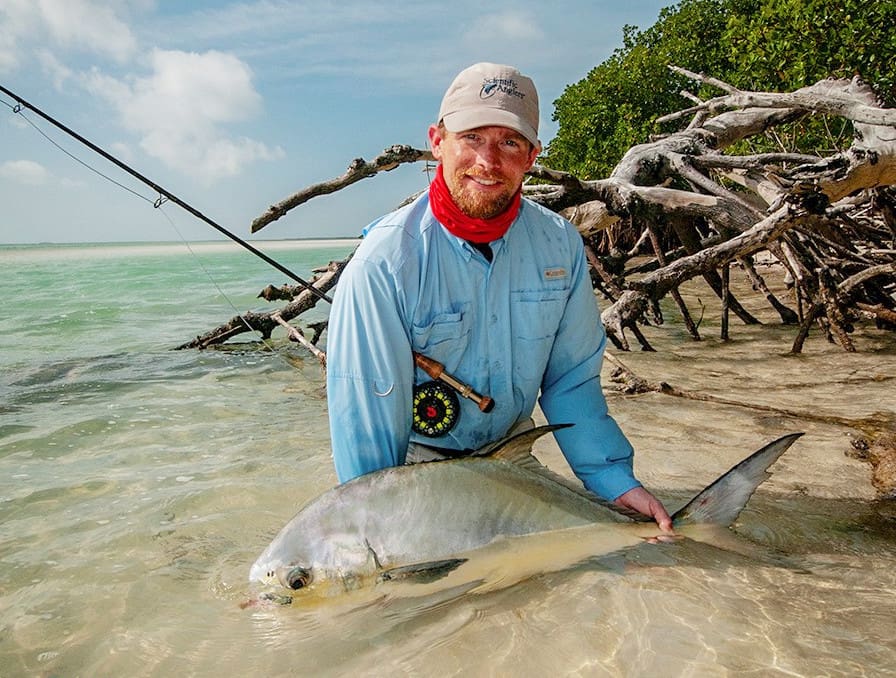
Whether you’re fishing for reds, snook and trout in Sarasota Bay or Anna Maria Sound, stalking bonefish in the Bahamas, stripers in the Northeast, or casting to rising trout on a mountain stream in Montana, you’ll be spending more time anticipating the adventure than actually fishing. That’s the perfect time to prepare so you’ve addressed the things you have control over in advance. When you do get on the water, you will inevitably encounter unpredictable forces like wind, rain, clouds and any number of other conditions.
With so many unavoidable pitfalls facing anglers, there is often a propensity to just hope for the best and then take what you get. How many of us have waited for months to take that trip of a lifetime, had perfect conditions and then found our casting abilities no match for our prey? The old saying that luck is “opportunity meeting preparedness” is especially true for fishers. Why not develop the mindset from the beginning that everything we do (on the water and off) contributes to turning odds into opportunities?
Preparation comes in many forms, and the most important for anglers are:
- Short, numerous practice sessions throughout the year;
- having tackle in top form; and
- knowing how to tie proper knots and choose baits that imitate your prey’s food.
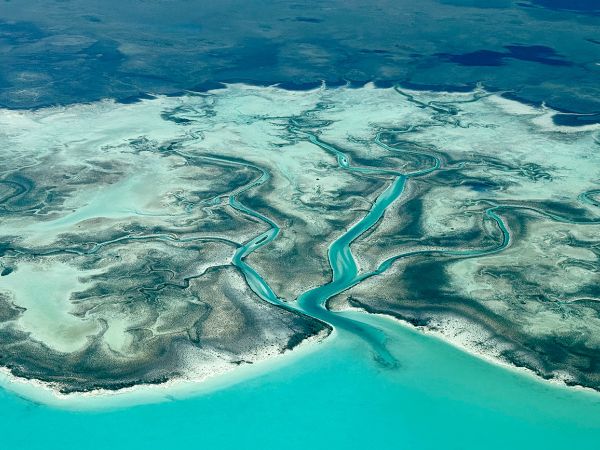
Casting skills are developed over a lifetime, and practice should not be saved for fishing trips, or even the days leading up to a trip. The best practice is on grass, throwing to targets placed at different distances and angles. If you are a fly fisher, don’t make the mistake of judging your casting ability by how long a line you can throw. Learn to make a tight, accurate 40-foot cast first, and then work on distance.
While I’ve been blessed to learn from some of the industry’s leading experts, I’ve found the best instructor, after mastering the basics, is experience. As a fly fisherman, one of the first and most important lessons I’ve learned is to see the wind as friend, not foe. If you’re new to the game, don’t put off a fly fishing trip because the wind is blowing. On my first trip to the Bahamas I was face to face with a large school of bonefish just 40 feet away into a 25 mph headwind! All those days of avoiding the wind meant that I didn’t have the skills to get the job done! Now I value the windy days because I know that if I can make the cast, I can benefit from the conditions. Fish are far less spooky and will more readily take the fly or lure when the waves riffle the surface. The waves also provide windows into the water. If you can make an accurate cast into a 15-knot wind, you’ll be golden on those days when the wind is in your favor.
Being mentally prepared and employing techniques like visualization gives you the ability to form a mental picture of the outcome you desire by seeing the quarry in exquisite detail and imagining yourself making the perfect presentation, setting the hook and feeling the line and the pressure on the rod as the fish streaks for the horizon. The athletes in all sports know how to plan and visualize their outcome. They’re prepared when opportunity presents itself as “luck.”