ANNA MARIA – Property owners in the city will see their annual stormwater fees double from $2 per 100 square feet of property to $4 per 100 square feet.
On Aug. 28, city commissioners Chris Arendt, Kathy Morgan and Gary McMullen voted in favor of the increase. Commissioner Charlie Salem opposed the increase and Commissioner John Lynch was absent with excuse.
Mayor Mark Short proposed the stormwater fee increase on July 24 when presenting the anticipated city revenues for the 2025-26 fiscal year that begins on Oct. 1.
At $2 per 100 square feet, the owner of a 5,000-square-foot property pays a $100 per year stormwater fee; at $4, the property owner pays $200 per year. At $2, the owner of a 10,000-square-foot property pays $200 per year and pays $400 at the $4 rate.
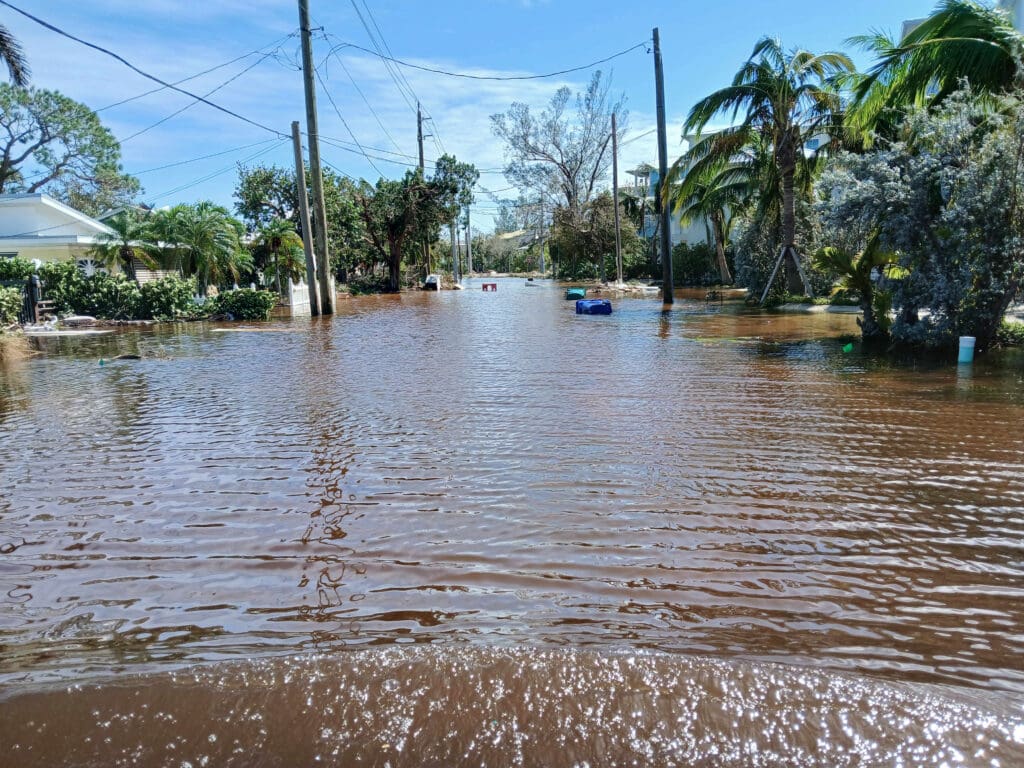
When seeking commission approval for the increase, Short said, “The city has identified well over $15 million in stormwater-related repair work that needs to be done in this city. A lot of that work relates to things that were either damaged or destroyed during the storm (the 2024 hurricanes).”
Short said the $4 rate will double the $328,000 originally projected for 2025-26 stormwater fee revenues to $656,000.
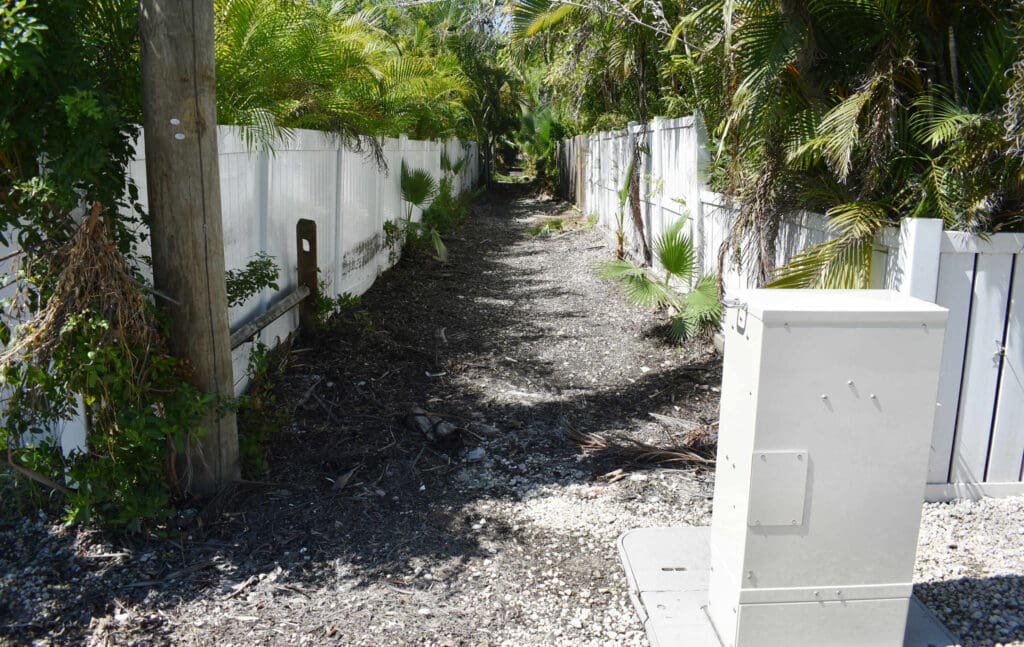
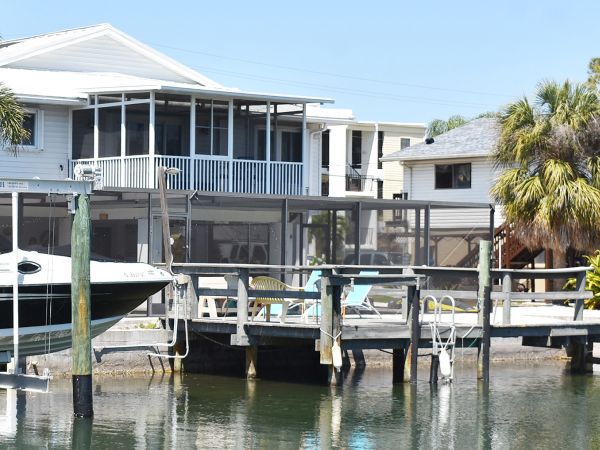
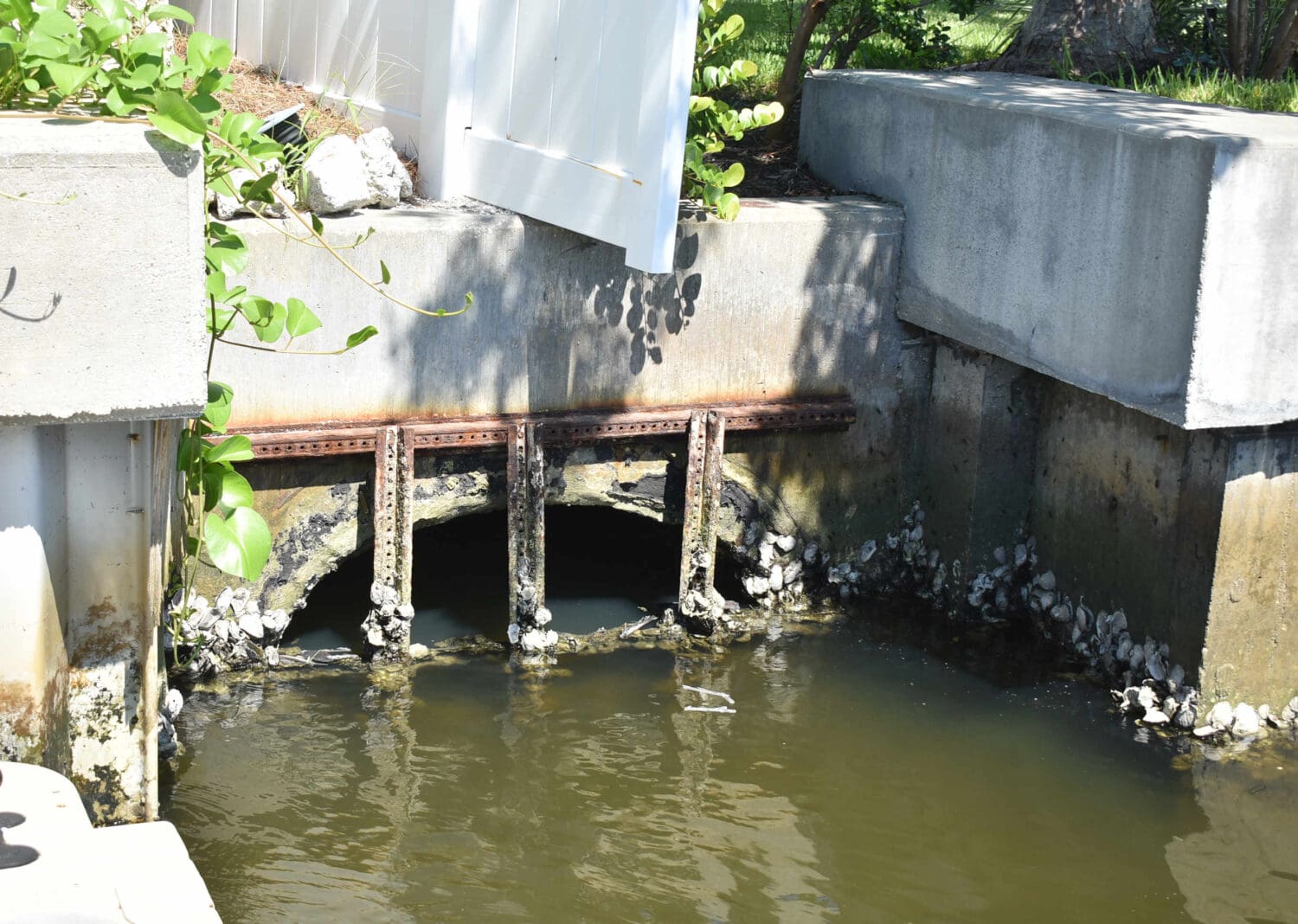
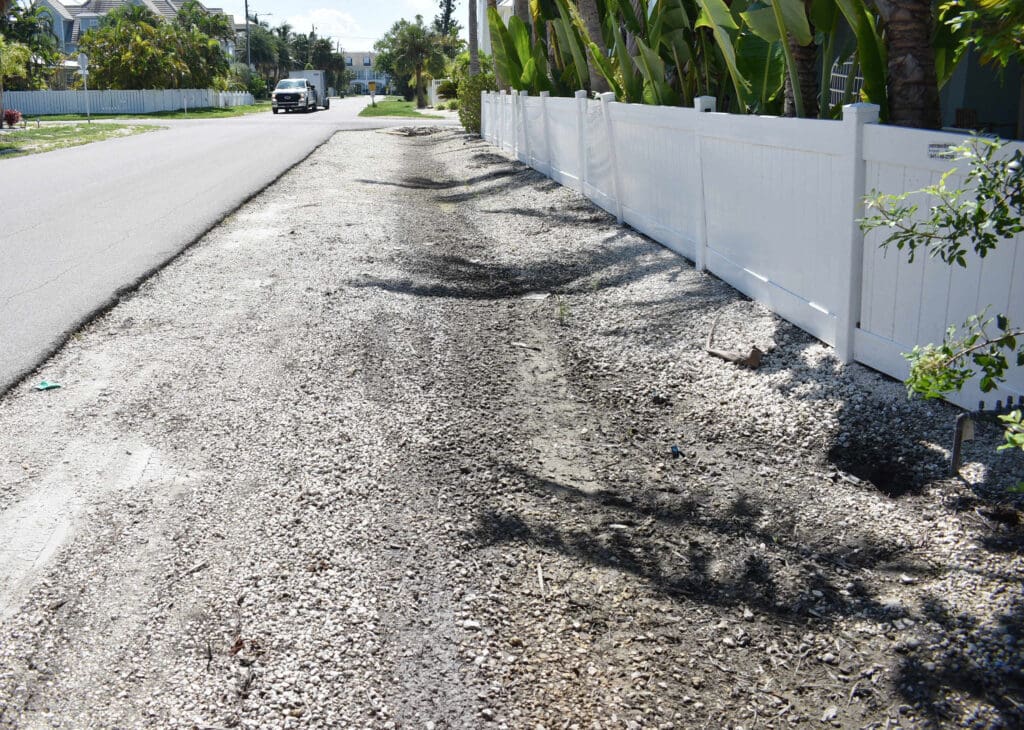
He said the additional revenues would help address the most immediate stormwater and drainage needs, which include making significant repairs to the stormwater and drainage swales located throughout the city and repairing or replacing the WaStop valves damaged during the 2024 hurricanes. Installed inside drainage pipes, WaStop valves prevent water from flowing back into the pipes that discharge stormwater into canals and other water bodies.
“We have 19 of them and they’re all either broke or need repair. Those two things are mission critical in terms of short-term fixes for this city,” Short said.
Salem questioned the fairness of assessing stormwater fees based on the size of a property rather than the portion of the property that’s covered with structures and other non-permeable items that hinder drainage. He said the owner of property with 10% lot coverage currently pays the same stormwater fee as the owner of a property with 40% lot coverage and there should be better way to assess the impact that has on drainage and stormwater retention.
Salem agrees there’s much work that needs to be done to improve the city’s drainage and stormwater retention capacities, but he questions whether those improvements warrant increasing the stormwater fee when many property owners are still facing hurricane-related financial challenges that include delayed flood insurance reimbursements.
“For those reasons, I’m reluctant to support an increase,” he said.
Short said the city’s stormwater utility fee assessment program was established a long time ago and the city must follow the methodology implemented at that time.
Participating by phone, Arendt asked if there’s a way to remove from the fee calculations the portions of the sandy beachfront properties that extend into the coastal conservation zones and don’t negatively impact drainage.
The beachfront properties at the tip of Bean Point range from 34,000 square feet to 91,000 square feet. At the $2 rate, the owner of a 65,000-square-foot property pays a $1,300 stormwater fee that increases to $2,600 at the $4 rate.
Short said the current methodology doesn’t allow any deductions.
“I do believe there’s a better way, but the city’s hands are tied right now in terms of how this can be done. We can take a look at this in the future. I’m not opposed to that,” Short said.
Arendt doesn’t think it’s fair to base the fee primarily on the amount of a property’s pervious or impervious surfaces because many different factors impact drainage.
“I think that cost should be spread out fairly,” he said.
Participating by phone, City Attorney Becky Vose suggested the city hire the Raftelis consulting firm to assist the city in evaluating and potentially altering the current fee calculation methodology.
Morgan said she’s concerned about increasing costs for property owners but she’s more concerned about the potential for more flooding and flood damage if nothing is done.
“We really need to address this problem sooner rather than later,” she said.
“I agree with Commissioner Morgan,” McMullen said. “This is something we can’t kick down the road.”
After noting that flooding occurs during heavy rains and not just during hurricanes and major storms, McMullen said, “These WaStops are critical.”
WaStops also help prevent flooding associated with high tides and king tides.
Short said the fee increase won’t solve the drainage and flooding problems but it’s a step in the right direction. He also said the city received a grant that will pay for a citywide stormwater resiliency study that evaluates how the city can best address future stormwater, drainage and flooding challenges.
Public input
Archer Way resident Kevin Hutchinson said his street floods every time it rains and he attributes that to a previously contracted city engineer who recommended removing a drainage pipe that was 14 inches in diameter and replacing it with two pipes that were 6 inches in diameter. Hutchinson said two catch basins were also eliminated. He said he’s lived there for 30 years and never had a problem with flooding until those changes were made. He said the city engineer later admitted to him and others that removing the pipe was a mistake that would be corrected, but it never was.
Pelican Lane resident Kevin Farrell said building footprints were smaller and there was more permeable land when he moved to the Island in 2011. He said things have changed since then and the city needs to adapt to those changes. He said the stormwater fee is calculated the same for residents who live in smaller homes with more permeable space and better stormwater retention and large vacation rental homes with greater lot coverage and less stormwater retention and drainage capacity.
“It is patently absurd to tax people based on the square footage of their lot,” he said.
North Shore Drive resident Tania Pike said she lives on a large lot with one house and a lot of permeable space. During the many years she’s lived there, she’s watched many large lots get divided into 5,000-square-foot lots that then get covered with a 4,000-square-foot home and a large pool.
She doesn’t think it’s fair that the same stormwater rate is applied to her property and one of those properties. She also said drainage solutions in place 10-20 years ago might no longer be the best solutions.
Gulf Drive resident Jim Sullivan supports increasing the stormwater fee increase and finding a more equitable way to calculate the fees later.
“If you don’t do something quickly, what harm is that going to bring down the road?” he said. “This seems to be the best alternative today. These storm drains don’t work. That’s not a good idea; and potentially we’re going to have worse weather than we used to.”
Hardin Avenue resident Jean Murray asked if the city has pursued other ways to raise the money needed for stormwater repairs and improvements.
In response, Short said the total stormwater budget for the new fiscal year is $3.3 million, with $2.6 million of the projected stormwater revenues coming from the Southwest Florida Water Management District, FEMA, the Hazard Mitigation Grant Program and other sources, with approximately $600,000 coming from stormwater fees generated at the increased rate.
McMullen said pumps and pipes would ultimately provide a better way to address future flooding but that approach is even more expensive. He then made the motion to approve the city resolution that establishes the increased stormwater fee.