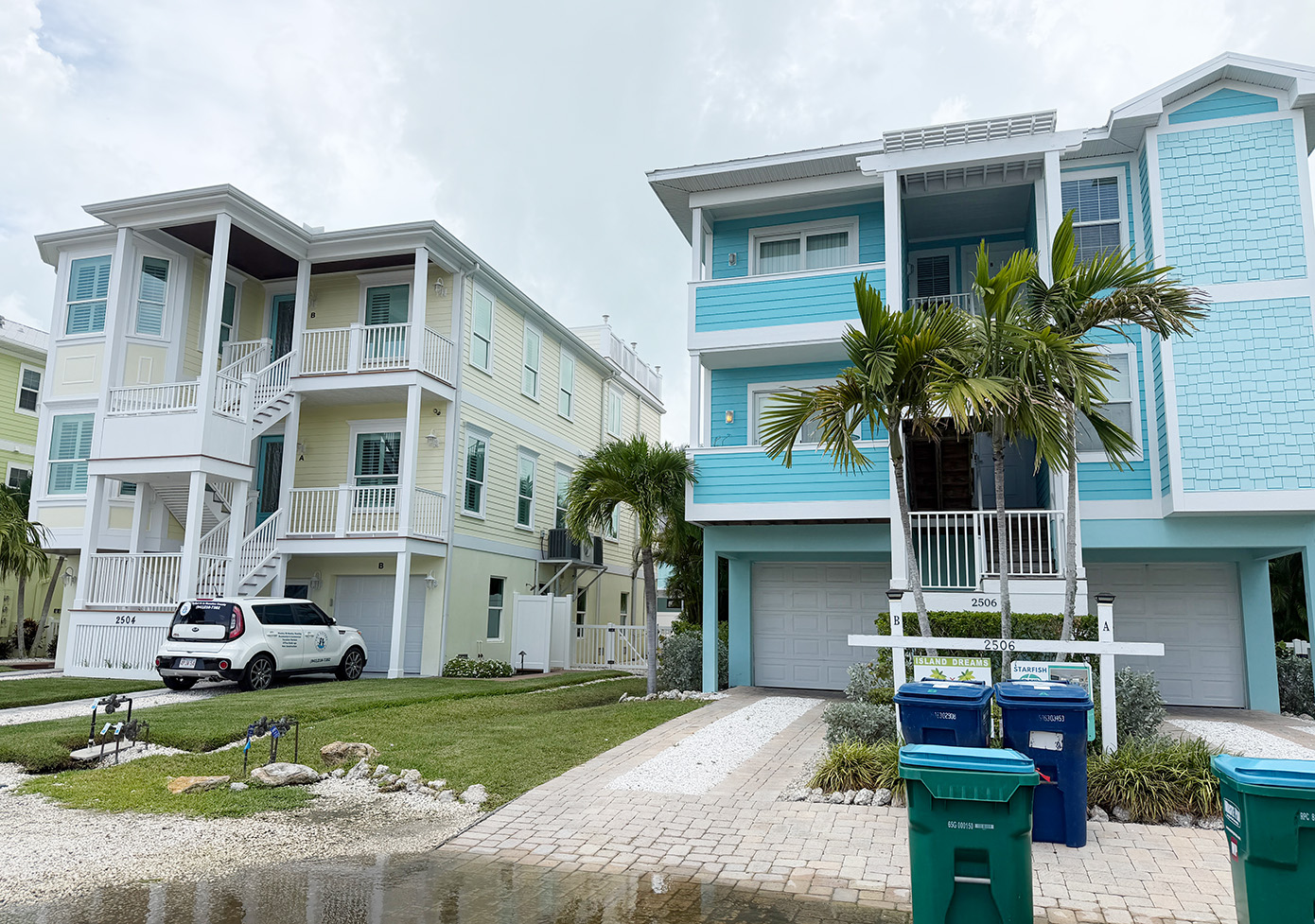
BRADENTON BEACH – The mayor and city commissioners agree that short-term vacation rental occupancy limits should be tied to the number of bedrooms and a two-plus-two occupancy limit that allows two occupants per bedroom and two additional occupants.
If adopted, the two-plus-two rule would allow six occupants in a two-bedroom vacation rental, 10 occupants in a four-bedroom rental, 14 occupants in a six-bedroom rental, 22 occupants in a 10-bedroom rental, and so forth, with the two additional occupants sleeping on a sofa, futon or some other non-bedroom sleeping accommodation. The commission does not support implementing a fixed maximum occupancy limit that would be applied regardless of the number of bedrooms the rental home or rental unit offers.
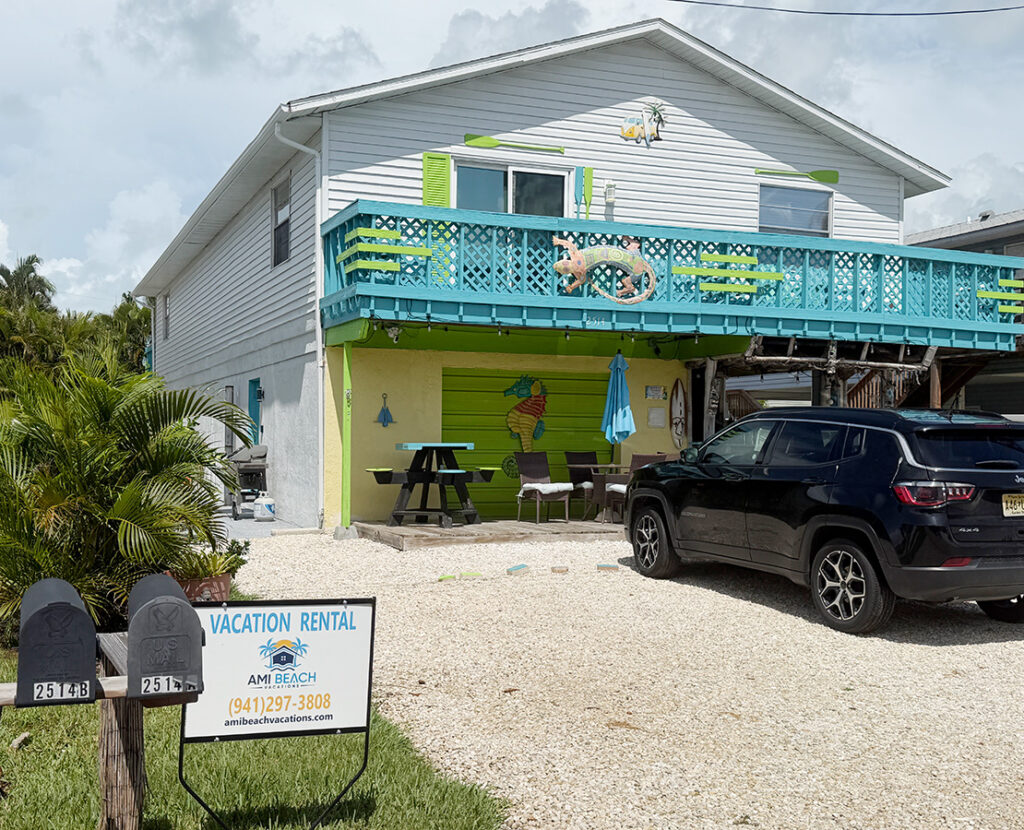
City officials expressed their preliminary support for the two-plus-two occupancy limit during the July 21 city commission work meeting that featured a lengthy discussion about the city’s Transient Public Lodging Establishment (TPLE) ordinance. No final decisions were made during the work meeting and Mayor John Chappie said these matters would be further discussed during the next regular city commission meeting, which is Thursday, Aug. 6, at 6 p.m.
Bradenton Beach’s current vacation rental (TPLE) regulations were adopted more than a decade ago under the guidance of then-City Attorney Ricinda Perry. During the work meeting, current City Attorney Erica Augello said those long-standing regulations require additional clarification.
In Florida, short-term vacation rental owners are required to hold a Department of Business and Professional Regulation (DBPR) license for any transient lodging unit that is rented, advertised or made available for rent for 30 days or less, three times or more during a single calendar year. DBPR licenses do not establish occupancy limits.
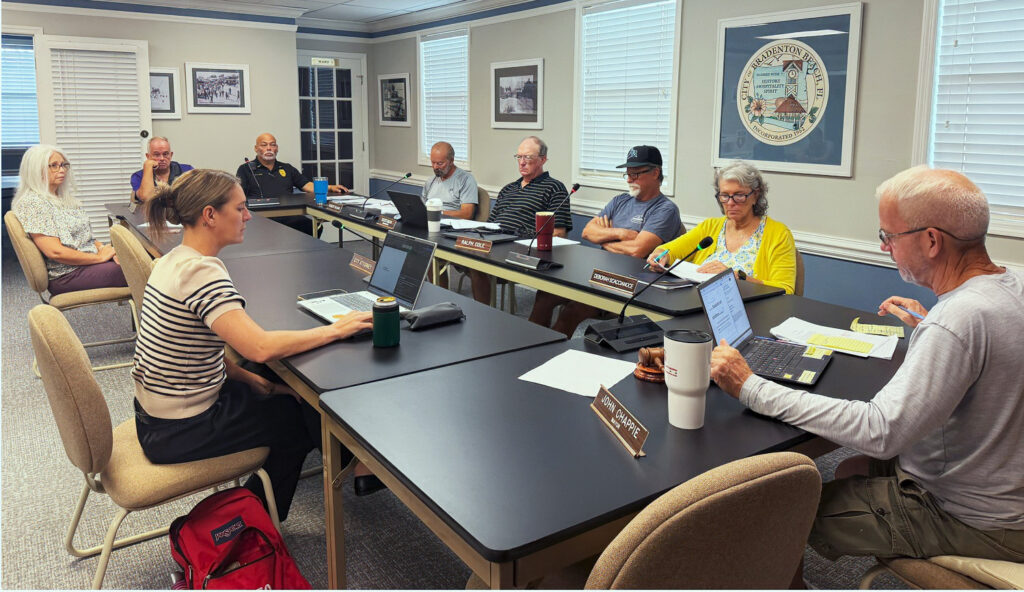
Augello referenced the occupancy limits set forth in Sec. 59-6, subsection D, of Bradenton Beach’s existing TPLE ordinance, which currently says, “The number of occupants in any transient rental unit shall not exceed the limits set forth in the certificate of occupancy issued pursuant to the Florida Building Code in effect for the structure, or the license issued by DBPR, whichever is less. Transient visitors shall be permitted on the transient rental unit premises; however, at no point shall the total number of persons exceed two times the limits set forth in the certificate of occupancy.”
“This section is very convoluted,” Augello said. “There is nothing in the Florida Building Code that talks about occupancy in general terms. It talks about occupancy loads for purposes of ingress and egress, but nothing about how many people you can put in a building. Fire code does, but that’s max occupancy, that’s not bedroom occupancy. I suggest occupancy shall be calculated by multiplying the number of bedrooms by two and adding two. You can do it that way, or you can do a maximum number. I need your direction on exactly what you mean by occupancy.”
Police Chief John Cosby asked how the occupancy limits would be enforced.
“You’re going to get calls for noise,” Augello said. “It’s going to be in their advertising. If, for example, a vacation rental has three bedrooms, all their advertising can say is that it sleeps the number per their TPLE license.”
Mayor John Chappie asked if the owner or property management agency would be forced to advertise the correct occupancy.
“Absolutely,” Augello said.
“You don’t have anything in your code that gives you a number for occupancy,” Augello said. “I need a number to put on your TPLE license, or we can get rid of it altogether.”
“We can limit it to 12 people,” Commissioner Robert Talham said. “We need something to regulate this in the event you’re being aggravated by these rental homes. This is a tool.”
Commissioner Ralph Cole said applying maximum occupancy limits would be unenforceable.
“We’ve had this conversation so many times,” Cole said. “The only thing you can get somebody for is disturbing the peace, so stick with that. You can’t tell people you can only have 12 people in the house. It’s about property rights. It’s unenforceable.”
Commissioner Scott Bear said, “If we say it’s 12 maximum and you own a 10-bedroom house, you’ve just cut their ability to rent to the full potential. That opens us up for people saying, ‘You’re now restricting me.’”
In response, Augello said, “From a legal perspective, you have the right to do it. A license is not a right; it’s a privilege and that privilege is based on the regulations.”
She said similar occupancy limit cases have been litigated in other cities.
“Those people have lost,” she said. “I’m not saying you won’t get sued, but this is a rational regulation based on a rational calculation that talks about the intensity of the use.”
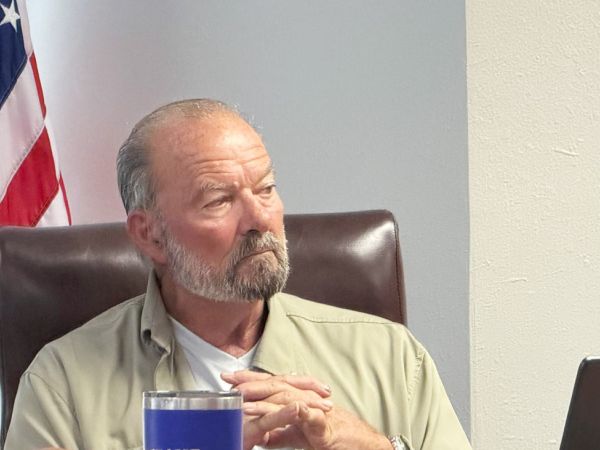
Chappie said he likes the two-plus-two occupancy limit.
“The two-plus-two is a number that’s enforceable and is not setting us up for future lawsuits,” Bear said.
Commissioner Debbie Scaccianoce said she did not agree with setting a fixed number for every rental in the city.
“I think the two-plus-two makes sense,” she said.
“I’m hearing two-plus-two. Full stop,” Augello said in response to the commission input she received.
ADDITIONAL ISSUES
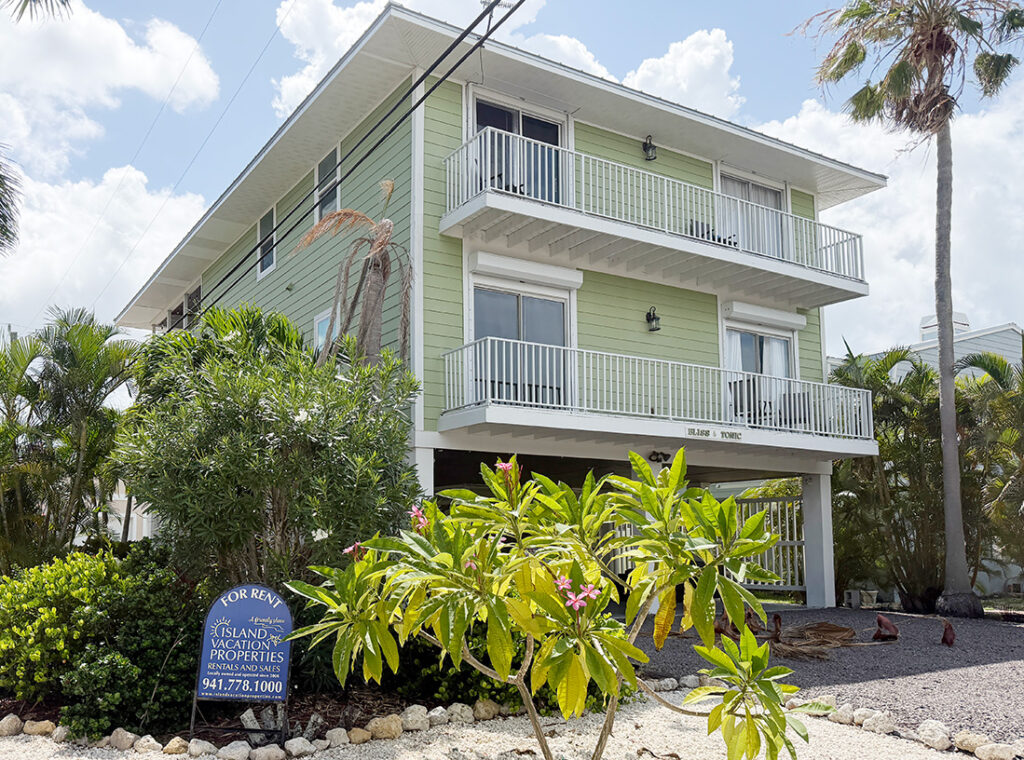
The mayor and commissioners also discussed other issues inherent to short-term vacation rentals, including after-hours noise, trash and the large number of vehicles parked at some vacation rental properties.
“I know we’ve all had issues with trash, with parking and with noise. For example, you’re only allowed to have the amount of cars that are assigned based on your business license,” Chappie said.
“Your TPLE license tells you how many cars you’re allowed to have there,” Augello said.
“It’s always nice to remind owners and property managers they have to register with Waste Pro to have the side-yard trash pickup,” Chappie said. “It drives me nuts when I see garbage cans stacked out on the curb.”
Augello said the property owner or management company is responsible for whatever happens on the property.
It was also noted the city’s noise ordinance defines “hours of rest” as being between 10 p.m. and 7 a.m.
“The enforcement provision basically says if you have three code enforcement violations within one year of the first violation, you get your license suspended for three months,” Augello said. “If you have six within the first year, you get an additional six months of suspension. With nine, you get a one-year suspension. If you’re violating within that suspension, you would get the license revoked.”
She said the city’s special magistrate would make those penalty-related rulings.
“After repeated violations, it takes it out of the hands of the legislators or staff,” Augello said.
OTHER ISLAND CITIES
In Holmes Beach, the maximum short-term rental occupancy is six occupants, or two occupants per bedroom, whichever is greater. Holmes Beach does not use the two-plus-two provision.
The city of Anna Maria limits vacation rental occupancy to two people per bedroom, plus two additional guests, with a maximum cap of eight occupants for short-term rentals with three or more bedrooms.
In 2016, approximately 100 two-plus-two exceptions were granted to resolve Bert Harris Act claims filed after Anna Maria’s vacation rental ordinance was adopted in November 2015. Anna Maria’s 2025-26 vacation rental registration fee schedule listed annual registration fees for short-term rentals with up to 29 occupants.