

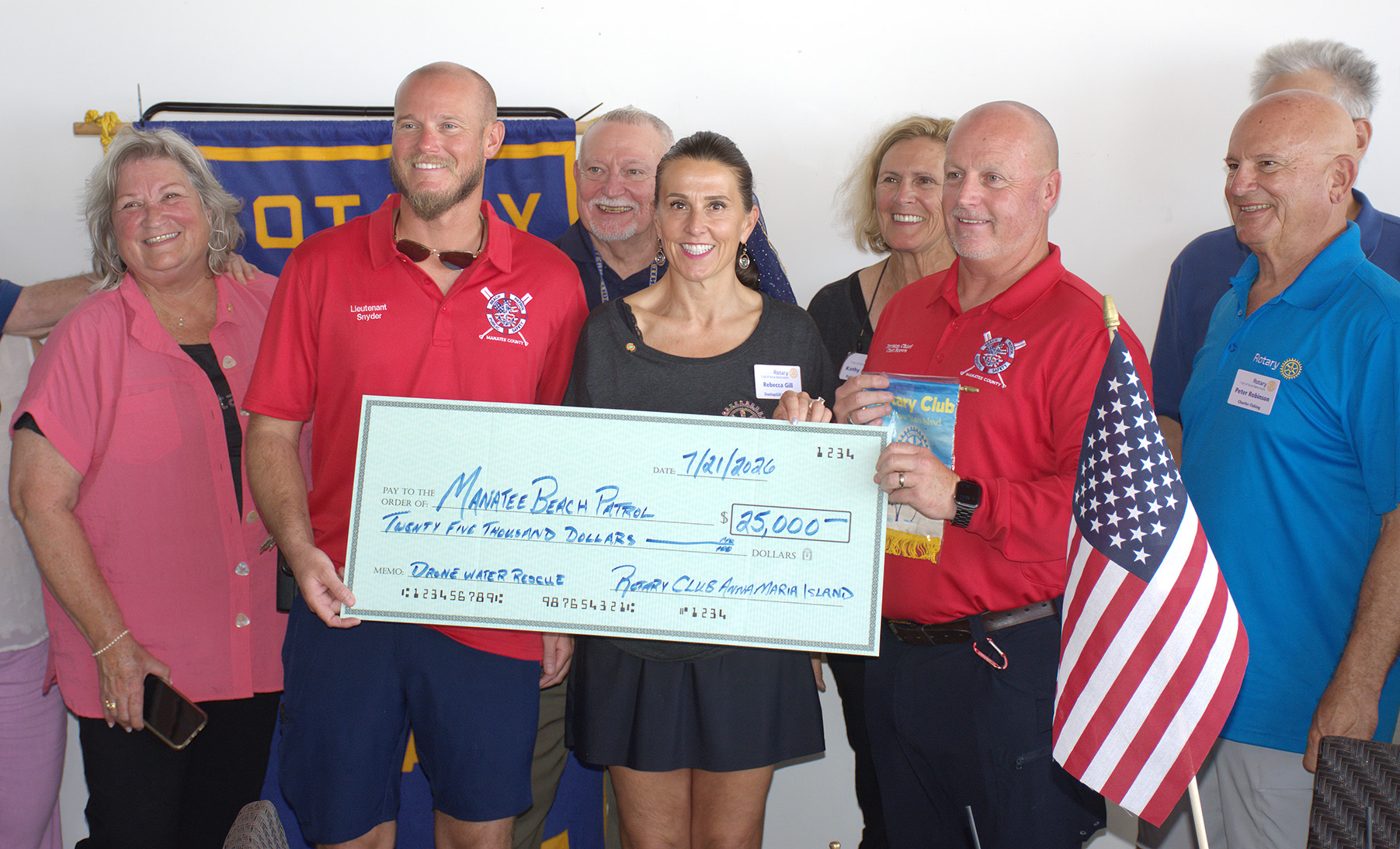
BRADENTON BEACH – The Rotary Club of Anna Maria Island presented Manatee County Beach Patrol with a $25,000 check to assist Manatee County with its five-year, $140,000 Beach Patrol drone water rescue program.
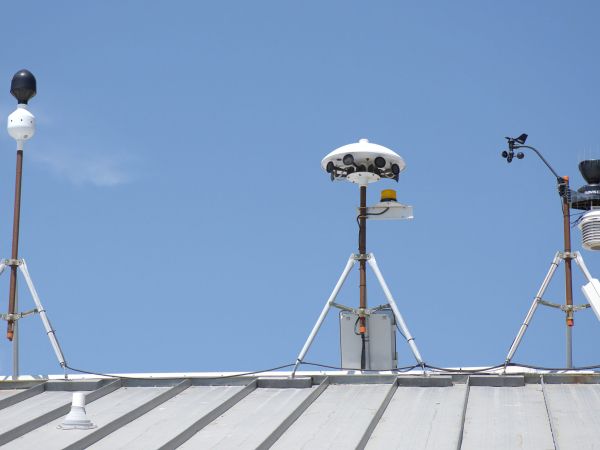
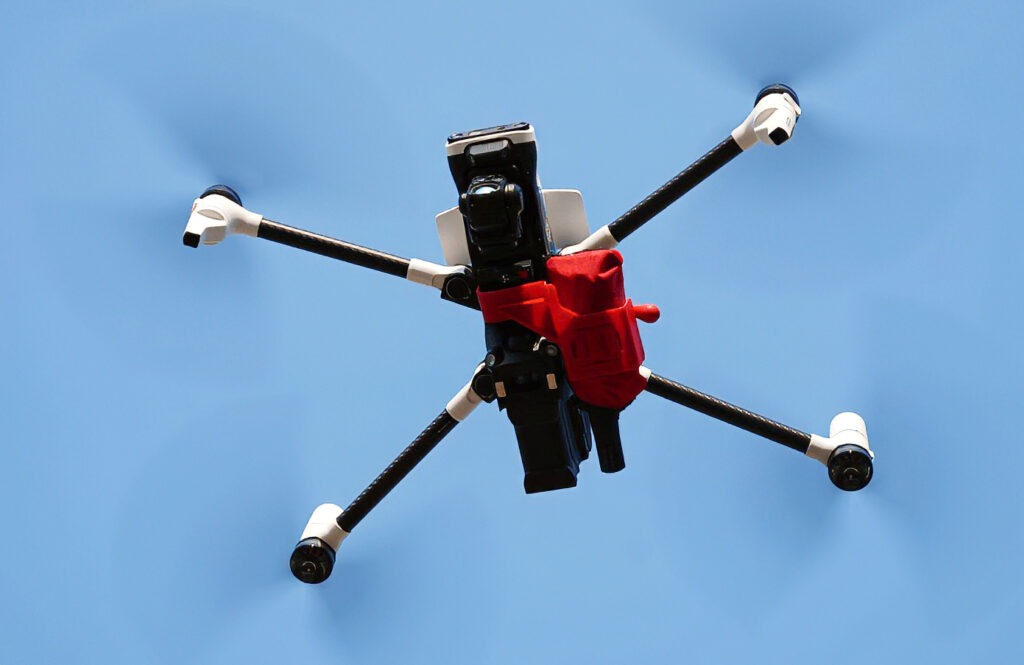
The beach drone rescue program will utilize a specialized drone manufactured, programmed, supported and maintained by BRINC Drones.
The check presentation took place during the July 21 Rotary Club luncheon at the Beach House restaurant in Bradenton Beach. The funds were raised in May, when the Rotary Club held its second annual Reel for Rotary fishing tournament and dedicated half of the tournament’s net proceeds to the county’s drone water rescue program. The drone being purchased by the county, with assistance from the Rotary Club, will cost approximately $30,000.
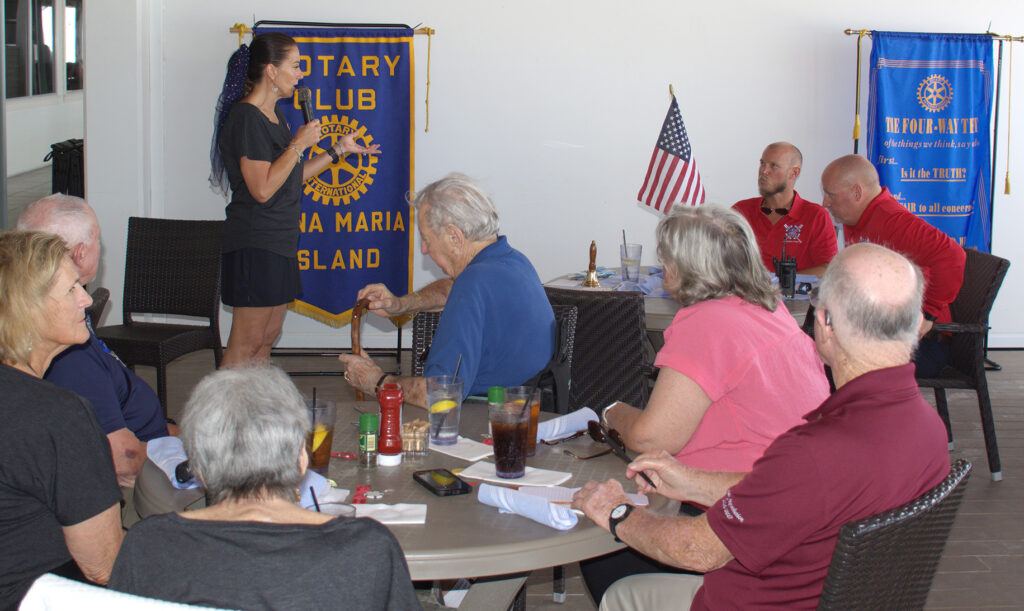
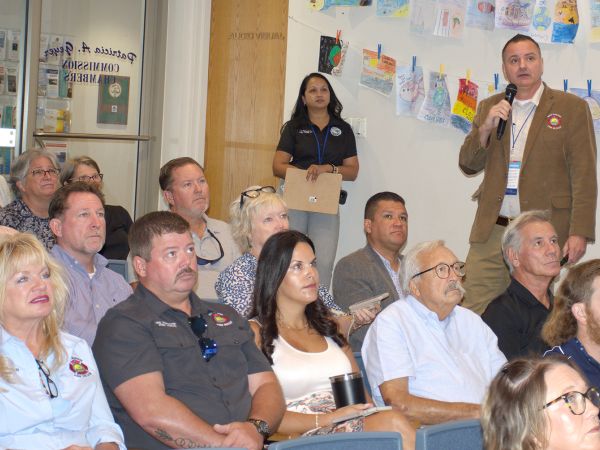
AMI Rotary Club President Rebecca Gill’s son, David Bettner, is a former U.S. Coast Guard member, and he attended the Rotary Club luncheon. Bettner said the drone will shrink the window of time between an emergency and a response and give rescuers a tool that isn’t tied to any one person’s location or availability.
The drone will be stationed centrally at Manatee Beach in Holmes Beach, which will put it less than four minutes by air from Bean Point in Anna Maria, where multiple water rescues occurred in 2025, including two drowning-related fatalities.
Beach Patrol officials are confident the reduced response time could make a critical difference in a rescue situation in which a patrol vehicle covering the same distance in traffic might take 15 to 30 minutes to arrive.
Manatee County Beach Patrol Chief Chet Brown said the drone’s primary uses will be water rescues, locating missing children and responding to cardiac arrest calls. He said the drone could also help cut down on false calls, which is a recurring drain on resources when multiple agencies respond to a report that turns out to be nothing serious. A quick drone flyover can confirm or cancel a call before units are dispatched.
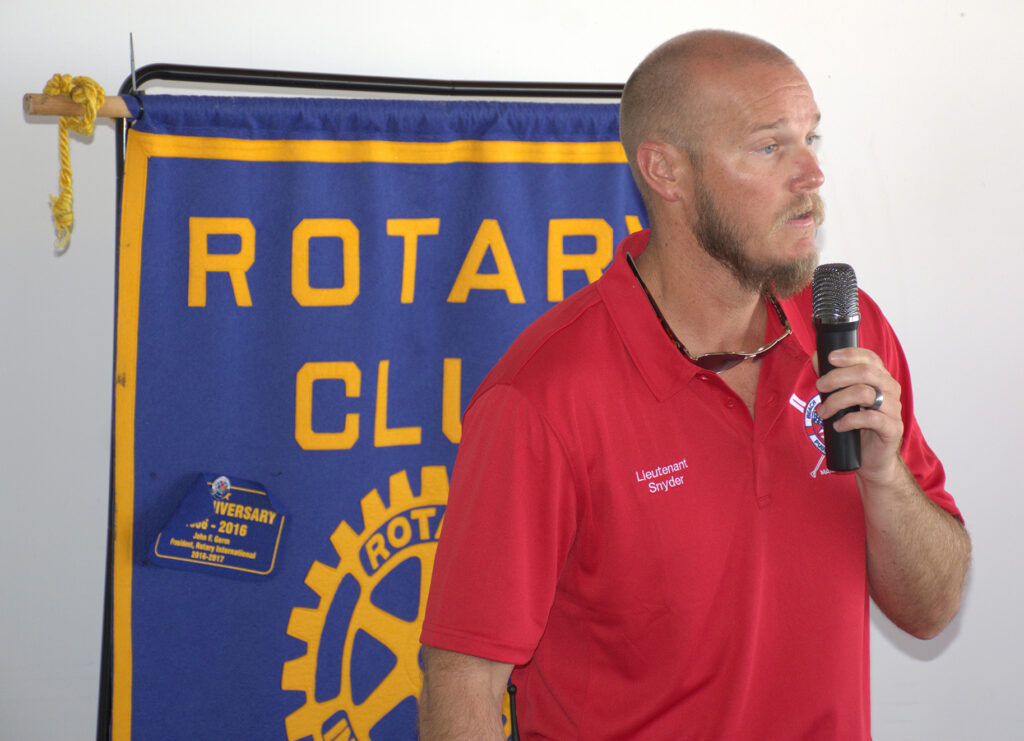
Beach Patrol Lt. David Snyder said the idea to use a drone grew out of recurring struggles to locate missing swimmers quickly.
“If we could launch a drone, we can have it in the area really quick and give us a bird’s eye view of what’s going on,” Snyder said.
He said three Beach Patrol drone pilots have already completed training and certification, and the drone is expected to arrive in August.
Snyder said the drone can act as a scout and give responders a clear picture of a situation before they arrive at the scene. The drone can carry a payload matched to the emergency. The drone carries a drop tube that inflates upon contact with water and delivers a flotation device on impact, rather than requiring a swimmer to reach the scene first. Other applications include delivering an automated external defibrillator (AED) to someone experiencing a cardiac event – and doing so before a lifeguard or other first responder arrives.
Snyder said Beach Patrol currently has an AED for each of its 14 or 15 responding units. The drone would let crews redeploy that equipment quickly to wherever it’s needed most, even in situations where a responder is pulled to another call without having any gear in hand.
BRINC’s Guardian Station drone system is built for continuous deployment, and it automatically switches batteries and payloads between flights. The drones are corrosion- and water-resistant and can carry flotation devices, AEDs and trauma kits.