

BRADENTON BEACH – City officials are compiling a list of priorities for the Florida Legislature’s 2025 session that starts on March 4.
When fully compiled, the list of Bradenton Beach’s legislative priorities will be shared with the Florida League of Cities and the city’s contracted lobbying firm.
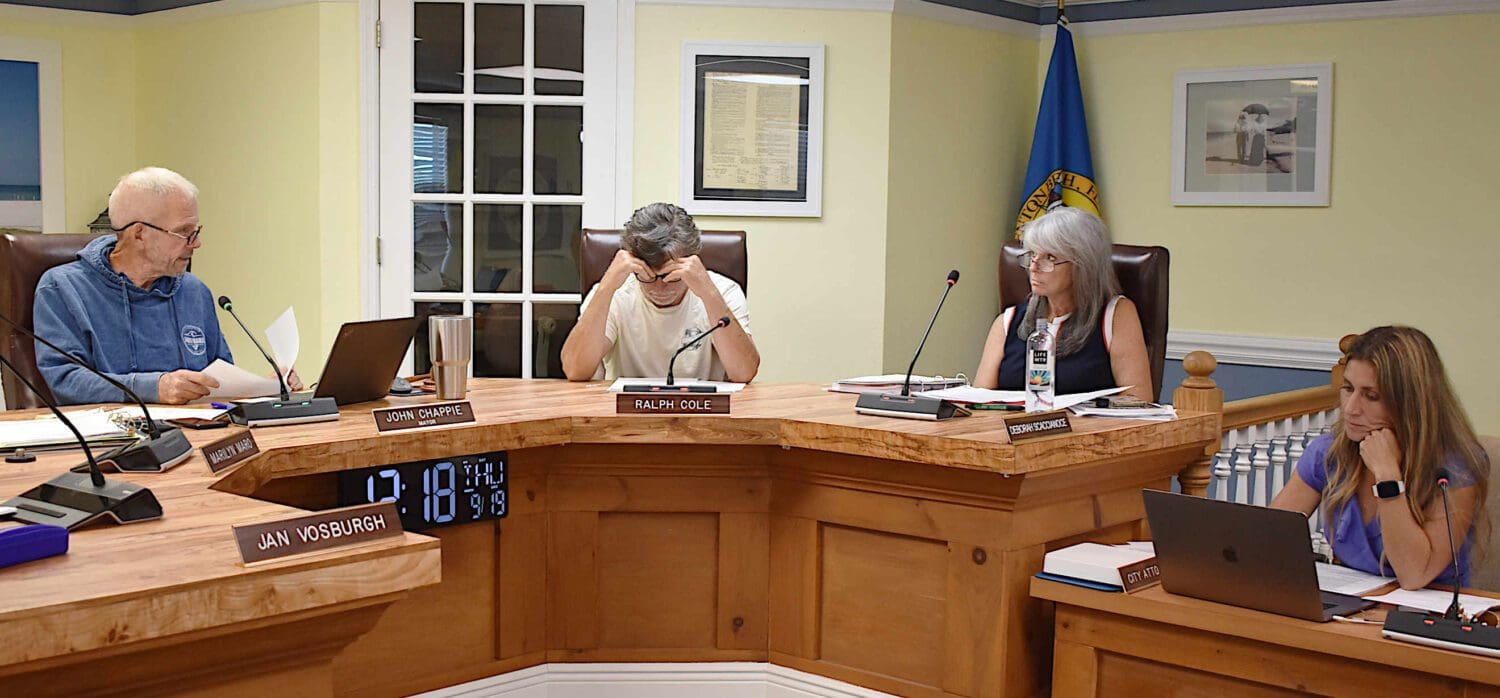
According to the legislative priorities document discussed during the Sept. 19 city commission meeting, the mayor and commission’s first priority is to preserve the city’s home rule rights and the right to self-government, and to oppose any legislation that attempts to eliminate or reduce those rights. The second priority is to oppose any legislative efforts to preempt short-term vacation rental regulation to the state.
“Home rule is why no two cities are alike,” according to the priorities list. “Strong home rule powers ensure that government stays close to the people it serves. Intrusion on home rule from the state or federal government undermines the constitutional right of citizens to govern themselves.”
The city supports legislation that protects and enhances the quality of our natural waters, addresses sea-level rise and supports the Florida Department of Environmental Protection’s Florida Forever conservation and recreation lands acquisition program. Bradenton Beach officials support legislation that provides funding for projects that help prevent and mitigate the negative environmental and economic impacts of red tide and other harmful algae blooms.
Property insurance reform is another top priority and the city supports a state effort to address increasing insurance rates, limiting the claim duration process and the unsubstantiated cancellation of insurance policies.
Bradenton Beach officials also would like more equitable sharing of the county’s tourist development tax revenues. The priorities list notes that a substantial portion of the county’s tourist development tax revenues are generated in Bradenton Beach and elsewhere on Anna Maria Island. Manatee County currently levies a 5% tourist tax on all short-term resort and vacation rental stays and county voters are now being asked to increase the tax to 6%.
State law restricts how the tourist tax revenues received by a city are spent. Tourist tax revenues can be used for city projects that enhance tourism but cannot be used for law enforcement or projects that enhance streets and roads, drainage and other infrastructure components.
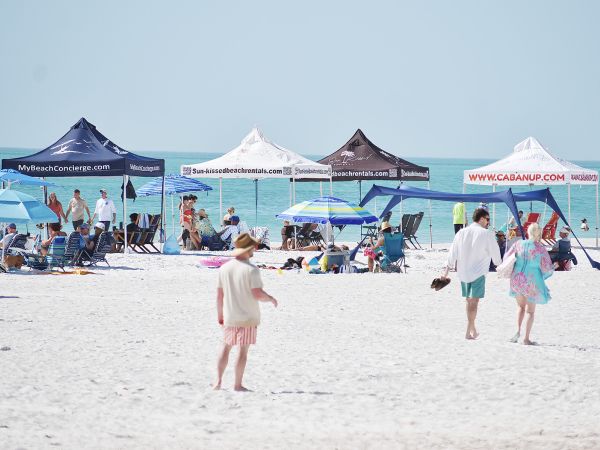
The list notes that Bradenton Beach has a residential population of approximately 1,200 people, but during weekends, holidays and other peak periods, the population can swell to 30,000 people with the influx of beachgoers and other visitors.
The commission supports the Florida Legislature revising the population requirements that currently allows some municipalities, but not others, to use tourist development tax revenues for police services and infrastructure improvements.
The city wants the Legislature to protect public rights-of-way by addressing the Advanced Wireless Infrastructure Deployment Act it adopted in 2017. The state act allows wireless providers to place small cell phone transmitters and other wireless devices on utility poles located in city rights of way. The act prevents local authorities from prohibiting, regulating or charging for the placement of small wireless facilities in public rights-of-way except as specified in the bill that caps the rate for device placement at $150 per year.
The commission opposes legislation that would restrict or eliminate the tax revenues generated by the city’s local business tax.
Commissioners support the Florida League of Cities’ legislative priority pertaining to state funding for mental health initiatives, facilities and programs.
City Attorney Ricinda Perry recommended adding two more priorities to the list: one pertaining to complete streets project funding and one in support of state funding that would help cities enhance their cybersecurity measures.