

BRADENTON – A 66-year-old Bradenton resident had his leg amputated on Nov. 11 after coming in contact with flesh-eating bacteria (vibrio vulnificus) at a time when confirmed vibrio vulnificus cases are on the rise statewide.
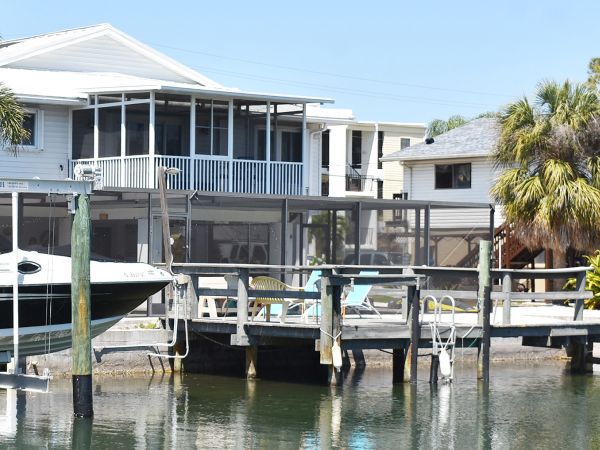
The man came in contact with the flesh-eating bacteria while wading and fishing in Sarasota Bay, near the IMG Academy Golf Club along El Conquistador Parkway in Bradenton.
According to a family member, the longtime Bradenton resident went fishing in Sarasota Bay on Nov. 3 and his shoe or boot rubbed his skin on the back of his leg raw, creating an open wound near his Achilles tendon. The man fished in that location again on Nov. 5.
On Nov. 9, he began experiencing uncontrollable diarrhea, vomiting, severe leg pain and skin discoloration between his ankle and his knee. After being hospitalized, his leg was amputated on Nov. 11. As of Friday, Nov. 15, he was recovering but he remained unconscious and faces a long recovery process, the family member said.
CASES INCREASE
According to the Florida Department of Health (FDOH) website that is updated every Friday, vibrio vulnificus is a naturally occurring bacteria found in warm, brackish saltwater. The flesh-eating bacteria enters the body through the direct ingestion of contaminated water or through open wounds, cuts or scrapes.
Confirmed cases of vibrio vulnificus increased after Hurricane Helene passed through Florida in late September.
According to the FDOH website, “In 2024, Citrus, Hernando, Hillsborough, Lee, Pasco, Pinellas and Sarasota Counties experienced unusual increase due to the impacts of Hurricane Helene. In 2022, Collier and Lee Counties experienced unusual increase due to the impacts of Hurricane Ian.”
According to FDOH, 81 cases of vibrio vulnificus have been confirmed in Florida so far in 2024, with 16 reported deaths. In 2023, 46 cases were confirmed statewide, with 11 deaths.
In 2022, there were 74 confirmed cases and 17 deaths.
There’s been one confirmed case of vibrio vulnificus in Manatee County in 2024 and two in Sarasota County, with no vibrio-related deaths in either county. In 2023, there was one confirmed and fatal case in Manatee County and six cases and two fatalities in Sarasota County. This year, Pinellas County leads Florida with 15 confirmed cases and three deaths.
FDOH INSIGHTS
On Friday, FDOH Communications Director Jae Williams provided some additional insights and information about the flesh-eating bacteria.
Williams said the increase in confirmed 2024 cases and deaths is specifically correlated to Hurricane Helene. He noted there was also a spike in reported cases in 2022 after Hurricane Ian.
“Hurricanes bring a ripe environment for vibrio. They bring storm surge and rain and then we have that brackish water that vibrio needs. Hurricanes bring a lot of contamination and it’s not just debris and household materials. We have sewage lines ruptured and garbage cans spilling over. There’s a lot of opportunity for this standing water to become contaminated. When the storm surge recedes and the rain goes away, you still have standing water baking in the Florida sun for several days. That’s where vibrio’s able to develop. Vibrio is not necessarily in floodwater, but it’ sin contaminated water. Regardless of the contamination source, it’s warm, shallow, brackish, stagnant water. That’s where you’re going to find it. You’re not going to find it in the middle of the Gulf ,the middle of Lake Okeechobee or in the middle of a moving river,” Williams said.
“With hurricanes, not only is the environment more conducive to vibrio, but people often find themselves needing to wade through standing floodwater. There are many reasons to stay out of floodwater… but the scariest would be vibrio,” Williams said.
Regarding the Bradenton man, Williams said, “If he was fishing in the (first) week of November, that would not be attributed to either of the hurricanes. Unfortunately, this is just one of those regular cases we see throughout the year.”
Williams said Florida averages about 35 confirmed vibrio vulnificus cases and 10-12 deaths per year. FDOH doesn’t test Florida waters for vibrio vulnificus or issue vibrio vulnificus advisories when a confirmed case is reported because the harmful but short-lived bacteria usually washes away or dissipates before the area can be tested.
“There’s no way for us to go back and find it,” Williams said, noting that each confirmed case is reported to the health department. “Vibrio vulnificus is a reportable disease in Florida. If a health care facility diagnoses someone with vibrio vulnificus, that facility is required by law to report that to the Department of Health.
“It’s rare, but it’s scary and its serious. It’s unfortunate that this man’s leg was amputated, but he’s very lucky they got it before he died,” Williams said. “If you wade in standing water and develop severe flu-like symptoms, get medical attention immediately.”
Williams was asked if vibrio presents a risk to dogs and other animals.
“Certainly,” he replied. “If they ingest it or have open wounds, they are at risk the same way a human would be. Pets shouldn’t be in shallow, standing water either.”