

ANNA MARIA – The city of Anna Maria is currently facing a $2.3 million hurricane recovery reimbursement deficit, and Mayor Mark Short and city staff are applying lessons learned from the 2024 hurricanes to prepare for the peak months of the 2026 hurricane season that still lie ahead.
During the July 14 budget preparation kickoff workshop, Short provided a recap of what the city did well and what the city didn’t do so well before and after the 2024 hurricanes. He noted those past hurricanes are still impacting the city’s current and coming fiscal-year budgets.
“We have been working extremely hard with respect to the city’s status on the hurricane recovery from a financial standpoint,” Short said of the “frank update” he was about to give.
Short noted the city still has $2.3 million in unreimbursed hurricane cleanup and recovery costs associated with Hurricanes Helene and Milton.
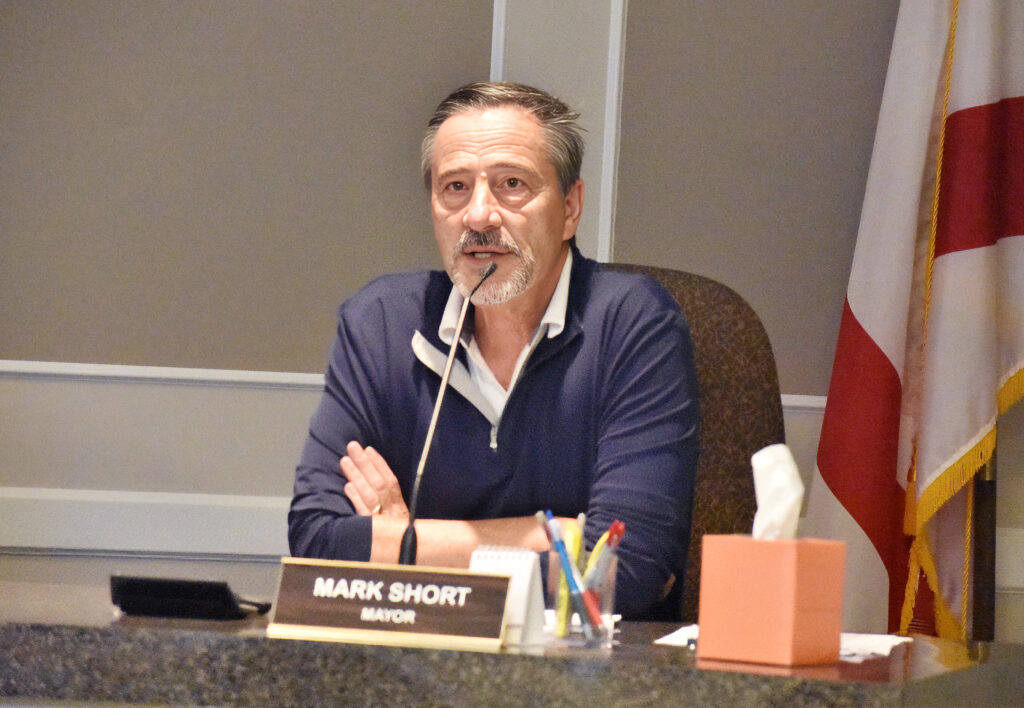
Beginning with the positive aspects, Short said Anna Maria’s rapid debris removal and cleanup efforts put the city two to four weeks ahead of the other Island communities.
He also noted that for the first time, the city used social media to provide hurricane news and updates before and after the storm, which resulted in the city’s Facebook followers increasing from approximately 200 to approximately 12,000 followers.
He said the city’s public works department worked well with Florida Power & Light and the Manatee County Utilities Department to restore the damaged infrastructure.
He said the Manatee County Sheriff’s Office Anna Maria Unit successfully enforced the city entry checkpoints and curfews.
He said city staff worked long hours alongside the various city contractors for several weeks after the hurricanes.
LEARNING UNDER FIRE
Short was elected mayor in November 2024, less than a month after the second of the two back-to-back hurricanes struck. Before he was elected mayor, Short was a city commissioner, and as part of his preparations to potentially serve as the next mayor he spent a great deal of time after the hurricanes struck assisting then-Mayor Dan Murphy with the city’s recovery efforts.
Short said a month after he took office, he began holding “post-mortems” with city staff and the Manatee County Sheriff’s Office to help identify what worked and what didn’t. He said those lessons helped shape the city’s current hurricane preparation.
He said he also learned a lot when he attended the Governor’s Hurricane Conference in May 2025.
Short said his review of the city’s efforts revealed some serious gaps. He said the city had no competitively bid contracts in place for debris hauling, debris monitoring or the overall management of the debris-removal process before the hurricanes hit.
Short said the city had no maintenance logs documenting the upkeep of the city’s equipment. He said the city failed to move its equipment off the Island before the hurricanes hit, resulting in the loss of golf carts and other equipment from the public works building.
He said the city had no software to track property damage assessments. He said photographic documentation of the hurricane damage was spotty, and the city later had to reconstruct the GPS data FEMA requires for reimbursement claims. Short said the city’s insurance coverage and policies were inconsistent: some buildings carried flood insurance and others didn’t, including the building that ultimately flooded.
DEBRIS REMOVAL
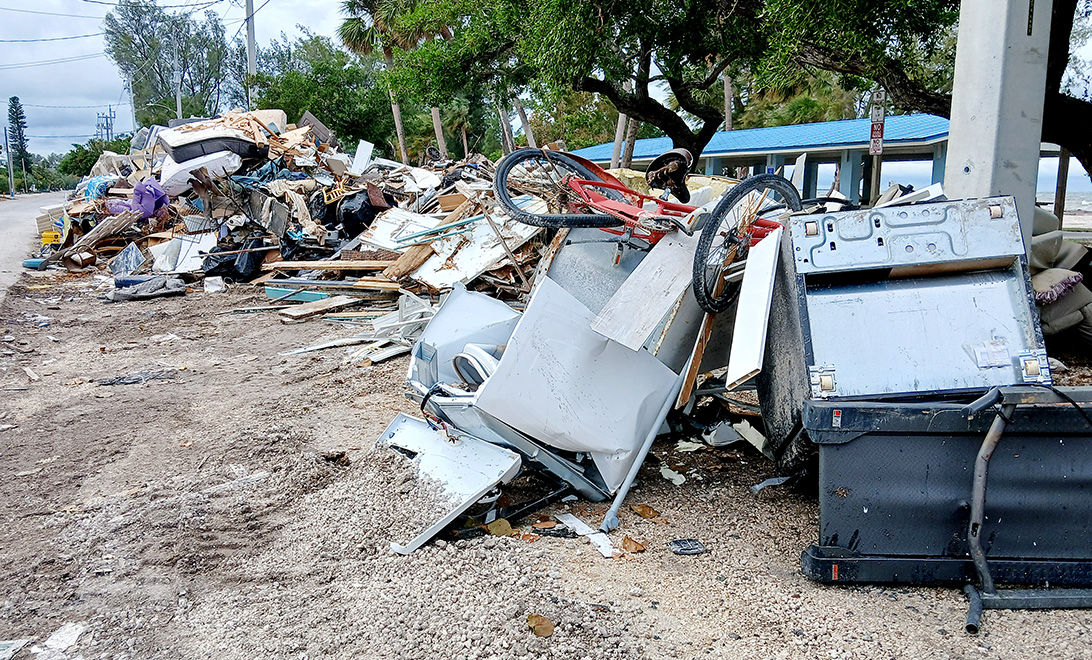
Short said the costliest mistakes the city made pertained to debris removal.
He said the city never checked to see if the debris-removal trucks and contractors had the required state certification.
He said the debris-removal and hauling contractors the city used were not paid according to FEMA’s preferred method. He said FEMA prefers debris-removal reimbursement to be based on cubic yards of debris hauled away, and Anna Maria’s debris-removal contractors were paid by the ton, by the load or by the hour. Short said this created a labor-intensive, after-the-fact process of converting that data into cubic yards as part of the ongoing efforts to get FEMA reimbursement.
Commissioner Chris Arendt asked how the city ended up with debris haulers that weren’t FEMA-compliant. Commissioner Gary McMullen said the previous administration pushed to get contractors on-site quickly and used the city’s emergency procurement rules because no pre-storm contracts existed. Short said he agreed with McMullen’s comment.
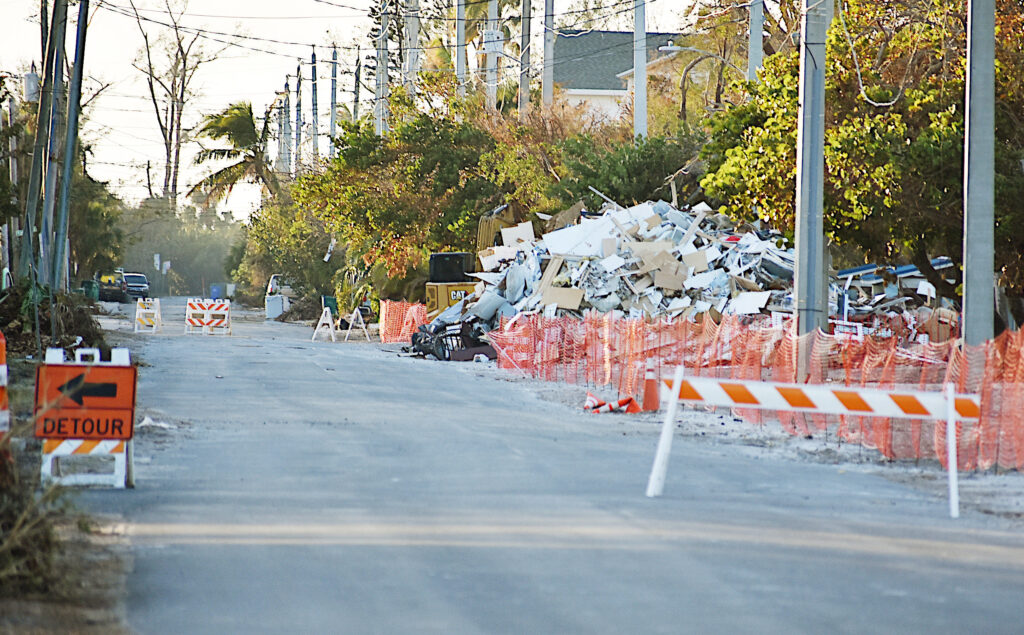
Short said the biggest hurricane-related financial shortfall is the result of the debris-removal efforts. He said the city spent $3.14 million on debris-removal activities and to date has received $759,000 in reimbursements, with an additional $120,000 in reimbursements still pending.
Short said the $1.7 million in anticipated debris-related claims sat in FEMA’s reimbursement queue for more than 260 days without a response.
“They have been a little bit radio silent,” Short said of FEMA’s response.
Short said the potential $2.3 million reimbursement gap represents a worst-case outcome, and the final outcome isn’t yet certain.
“I don’t think that $2.3 million is going to be the number that comes in the door,” Short said, but he noted the city is not including any of those potential reimbursement funds as anticipated revenue sources during the coming 2026-27 fiscal year that begins Oct. 1.
Short said the city has now put in place four debris-hauling contracts and a debris-monitoring contract. He noted that earlier that week he presented the commission with a contract to be entered into with AC Disaster Consulting (ACDC).
Short said the new debris-hauling and monitoring contracts are structured to meet FEMA standards from the outset. Short said it’s possible the future debris-removal efforts will take longer to complete, but the FEMA reimbursement process will be faster.
On the bright side, Short said the city is obligated to receive up to $4.2 million from FEMA for the reconstruction of the hurricane-damaged City Pier, but only $443,000 of the $1.6 million in reimbursement claims submitted to date has been received in payments.
He noted the city had to cover these expenses upfront before submitting reimbursement claims, and doing so contributed to the city’s undesignated reserve funds dropping from approximately $4 million to approximately $1 million.
Short said the pier-related reimbursements received, and to be received, from FEMA go directly toward paying down the $4 million loan the city secured to finance the pier reconstruction project.
In addition to the City Pier repairs, Short said the city has spent about $1.5 million repairing damaged city equipment and infrastructure, with about $1.3 million of that already obligated for reimbursement, but only 87% of that category is recoverable under FEMA rules.
City Treasurer Randy Maxson said the city is also pursuing a scoring system-based state readiness certification that could make the city eligible for upfront disaster payments for future hurricanes.