

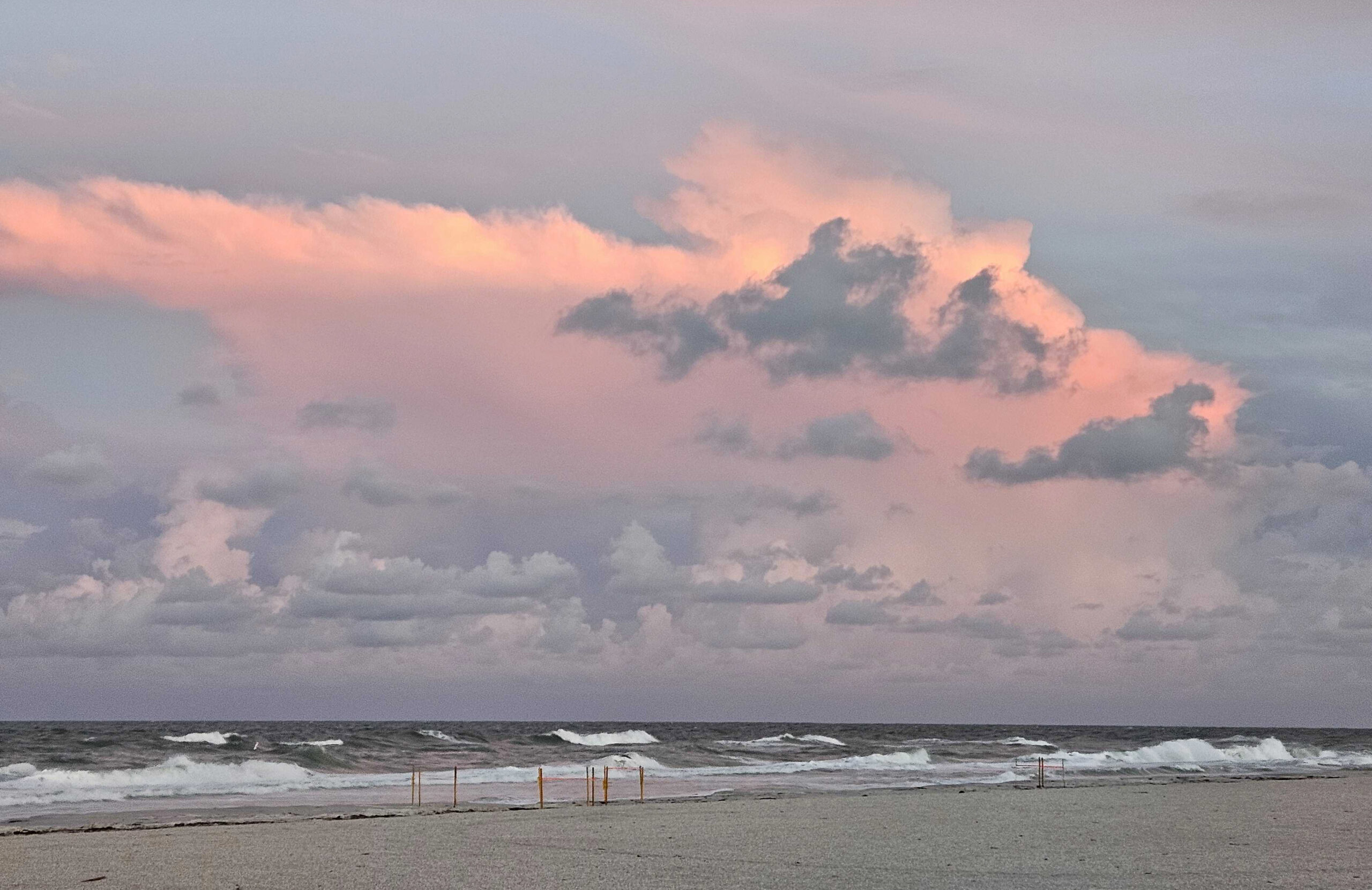
ANNA MARIA ISLAND – Heavy surf from the Gulf and strong winds from Tropical Storm Bertha impacted 189 sea turtle nests on Anna Maria Island from July 19 through July 22.
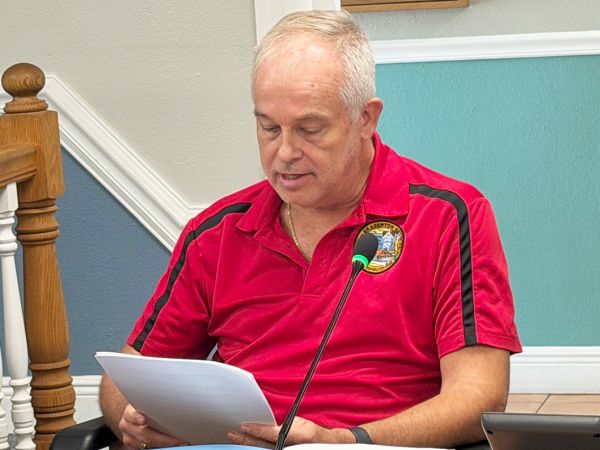
“During that time, there were 371 loggerhead nests still incubating on the beach,” Anna Maria Island Turtle Watch and Shorebird Monitoring Executive Director Kristen Mazzarella stated in her July 24 email update.
According to Mazzarella, Tropical Storm Bertha impacted 189 nests. That accounts for 51% of the nests that were on the Anna Maria Island beaches when the storm started. Sixty-five nests were completely washed out, six nests had some eggs washed out, seven nests were observed in standing water and 111 nests were washed over by the surf. The remaining 182 nests were not impacted.
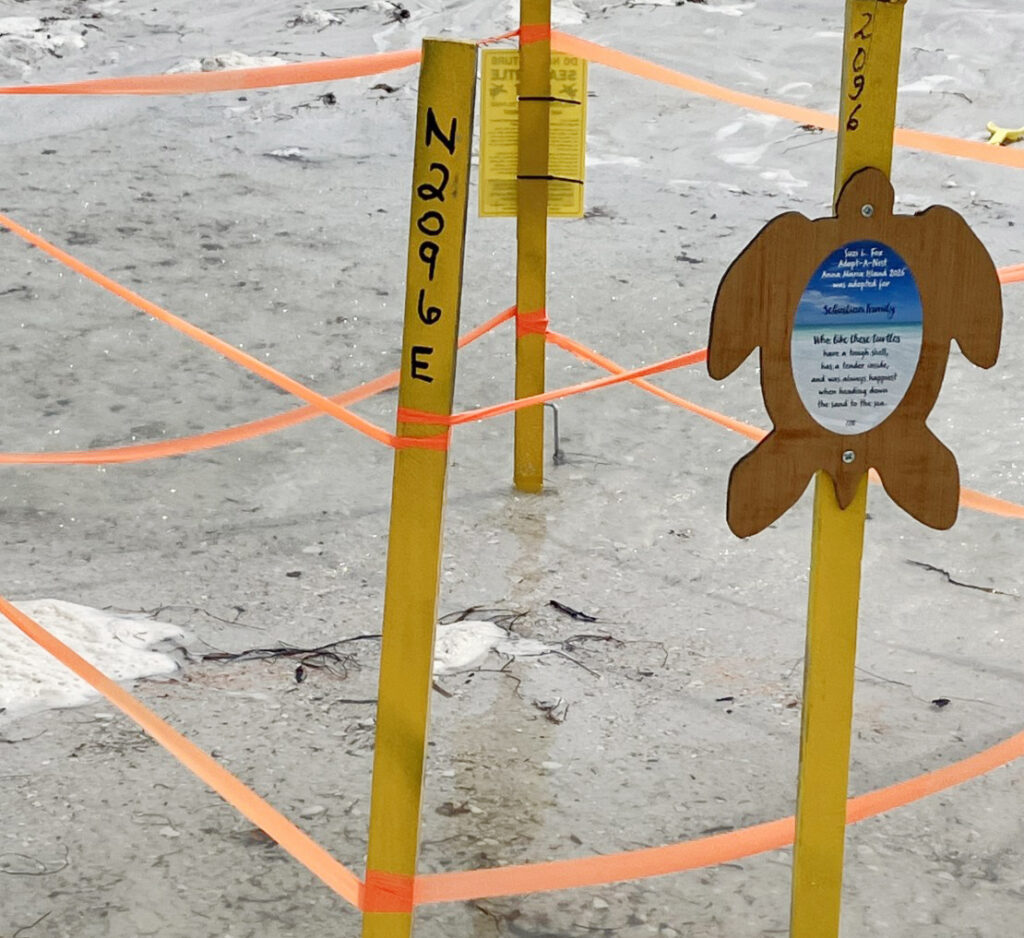
In her email, Mazzarella said sea turtle nests can withstand some overwash, but too much overwash may cause the turtle eggs to stop developing; and heavy surf washing away the sand can expose the nest or pull out the eggs.
“Once the eggs have been moving around in the surf, it’s likely that they are no longer viable,” she said. “However, eggs left in the sand may still be viable after the water drains from the nest. Rain and wash over from the surf can also cool the nest.”
“Each day of the storm, Turtle Watch patrolled the beach with a list of all 371 nests so they could check each one and determine if any of them lost their posts or had eggs washed away,” she said. “Turtle patrol documented water disturbances, picked up nest stakes that washed away, used the original GPS coordinates to determine if nests were completely washed out, and reposted nests that had lost stakes but were still in place.
“Turtle patrol is tasked with protecting sea turtles and their nests from human impacts, but we do not interfere when nests are impacted by Mother Nature. Sea turtles have been around for millions of years and have adaptations that account for losses due to natural causes,” Mazzarella said.
She said the heavy rains obliterated both adult female tracks and hatchling tracks, but Turtle Watch volunteers still found new nests and hatches.
She noted the sex of the hatchlings is determined by the temperature of the nest during a specific part of the incubation period.
“Warmer temperatures produce more females, and cooler temperatures produce more males,” she said. “This may have increased the number of males produced in some nests.”
Mazzarella expressed appreciation for those who called the Turtle Watch hotline at 941-301-8434 to alert them to eggs and stakes washing out, as well as to hatchlings being found off the beach.
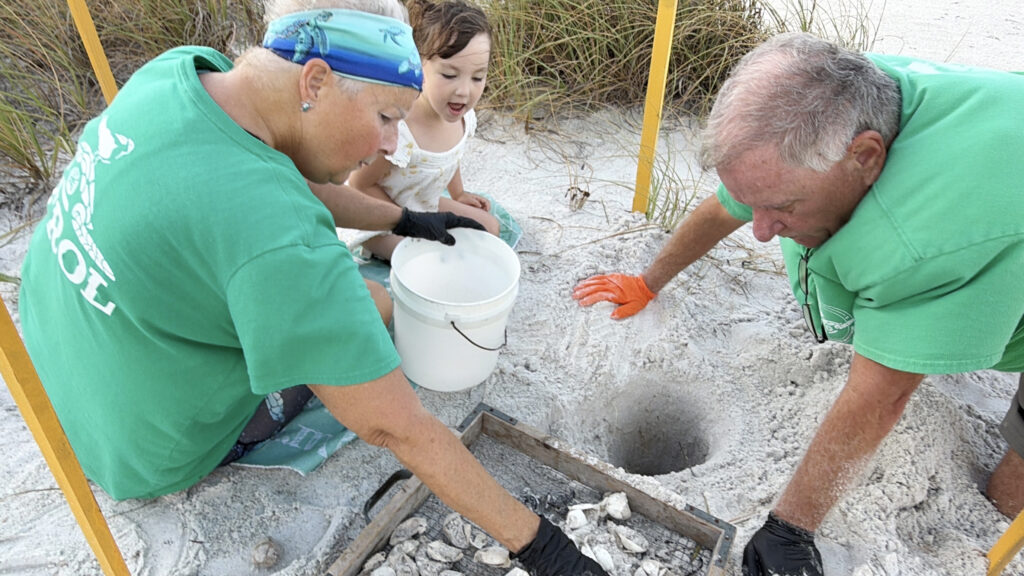
So far this season, Turtle Watch has conducted 56 nest inventories and documented 2,855 hatchlings produced from those nests.
“Every nest that hatches is inventoried three days after the hatch is observed,” Mazzarella said. “During a nest inventory, all the contents of the nests are removed so we can determine how many eggs were in the nest and how many hatched. Currently we are seeing a 76.7% hatch success rate from these nests. Hatched nests are marked with a red flag.”