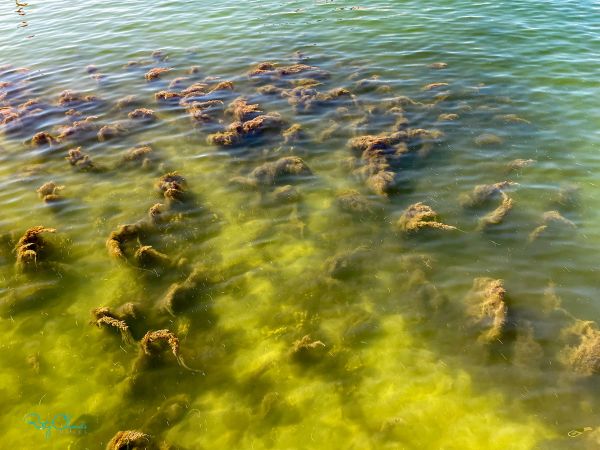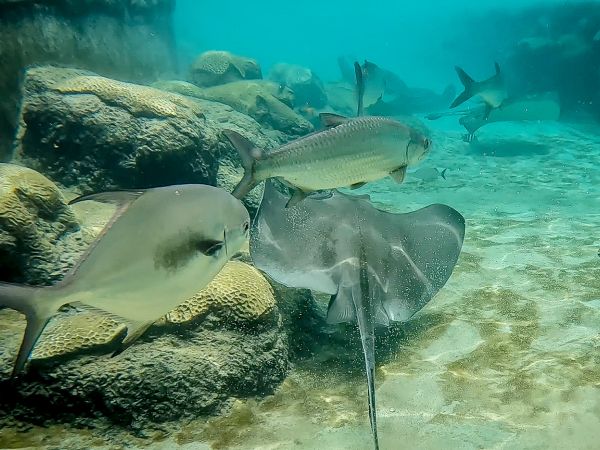
It seems that we’re constantly bombarded with negative news about the waters we love to fish and swim in and that the nature we revere depends on. This includes the manatees, seabirds, fish, mangrove forests and seagrass beds threatened by sewage releases, algae blooms and fish kills that I often refer to as “death by a thousand cuts.”
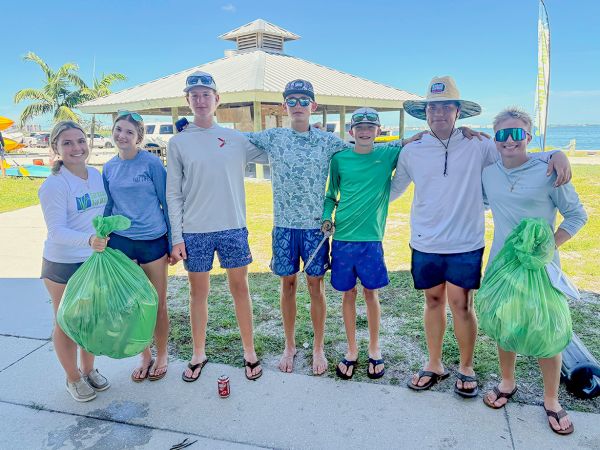
What’s often not appreciated are the people and projects that counter that narrative: the passion for place and the movement to address these threats and marshal the forces that can, and do, make a difference.
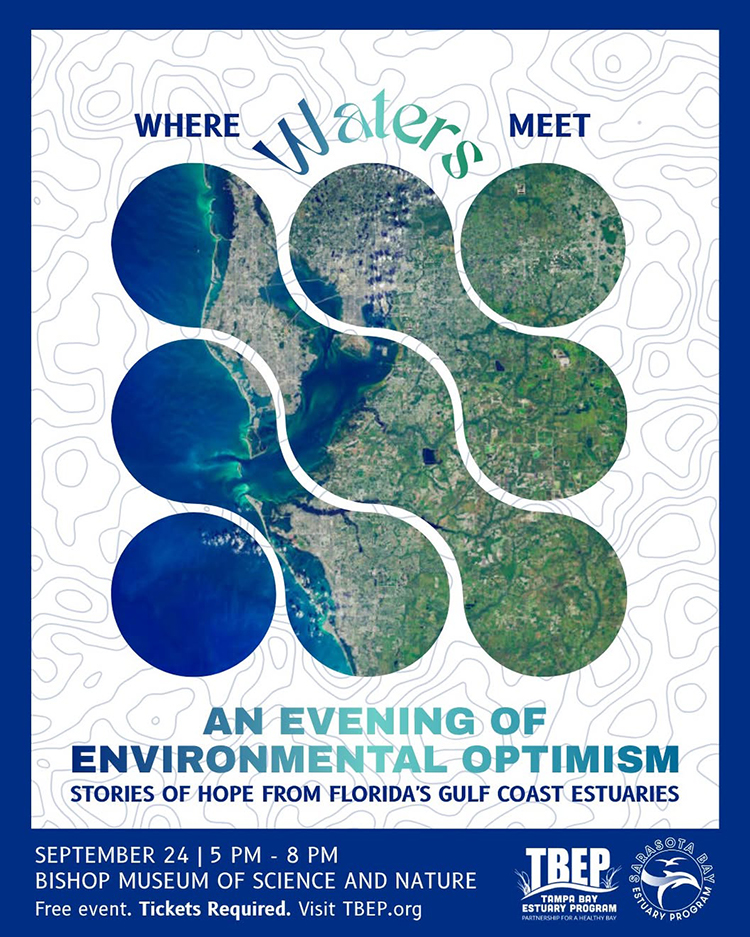
On Sept. 24, I had the pleasure of meeting some of these dedicated people and hearing about the programs and projects that provide hope for the future. The setting was the Bishop Museum of Science and Nature in Bradenton, where the Sarasota Bay Estuary Program and the Tampa Bay Estuary Program combined forces to present Where Waters Meet: Stories of Hope from Florida’s Gulf Coast Estuaries.
The panel discussion that followed the presentation was led by Mason Gravley, chair of the Manatee County Environmental Lands Management and Acquisition Committee, host of the popular podcast “Florida Uncut” and impact campaigns manager for the Florida Wildlife Corridor Foundation.
Participants in the discussion included Karen Bell, owner of A.P. Bell Fish Co. in Cortez; Ryan Schloesser, senior scientist and program manager of Mote Marine Laboratory’s Fisheries Ecology and Enhancement Program; Shaun Swartz, from the city of St. Petersburg’s Pollution Reporting Program; Max Chesnes, environmental reporter for the Tampa Bay Times; and Courtney Saari, from the Florida Fish and Wildlife Conservation Commission’s Fisheries-Independent Monitoring program. All of the speakers highlighted the people, programs and passions that offer promise for the future but are, all too often, hidden behind sensational headlines.
Bell, the third-generation head of A.P. Bell Fish Co. and a founding member of the Florida Institute for Saltwater Heritage (FISH), spoke about the history of the fishing village of Cortez and showed a video that highlighted the faces and voices of generational Cortezians. She spoke of the work that led to the purchase and transformation of about 100 acres of environmentally sensitive land adjacent to the village, the FISH Preserve, and of the Cortez Commercial Fishing Festival, which raises awareness and funds to support FISH and brings thousands of visitors to Cortez.
Schloesser’s research at Mote Marine includes various aspects of the ecology of the estuarine environment and marine fish populations. He spoke about the various enhancement projects currently underway, with an emphasis on work being done with the help of volunteers at Robinson Preserve in Bradenton.
Chesnes, Swartz and Saari also spoke about the many programs and the people who support their work.
The program was inspiring, but the highlight for me was the social hour that preceded the presentations. It provided an opportunity to meet and share a common dedication to protecting the local environment with many of the participants who work behind the scenes and out of the spotlight.
The evening gave me and the people I spoke with a renewed sense of optimism for the future of the marine environment we cherish and a dedication to, in the words inaccurately attributed to Mahatma Gandhi: “Being the change we want to see in the world.”