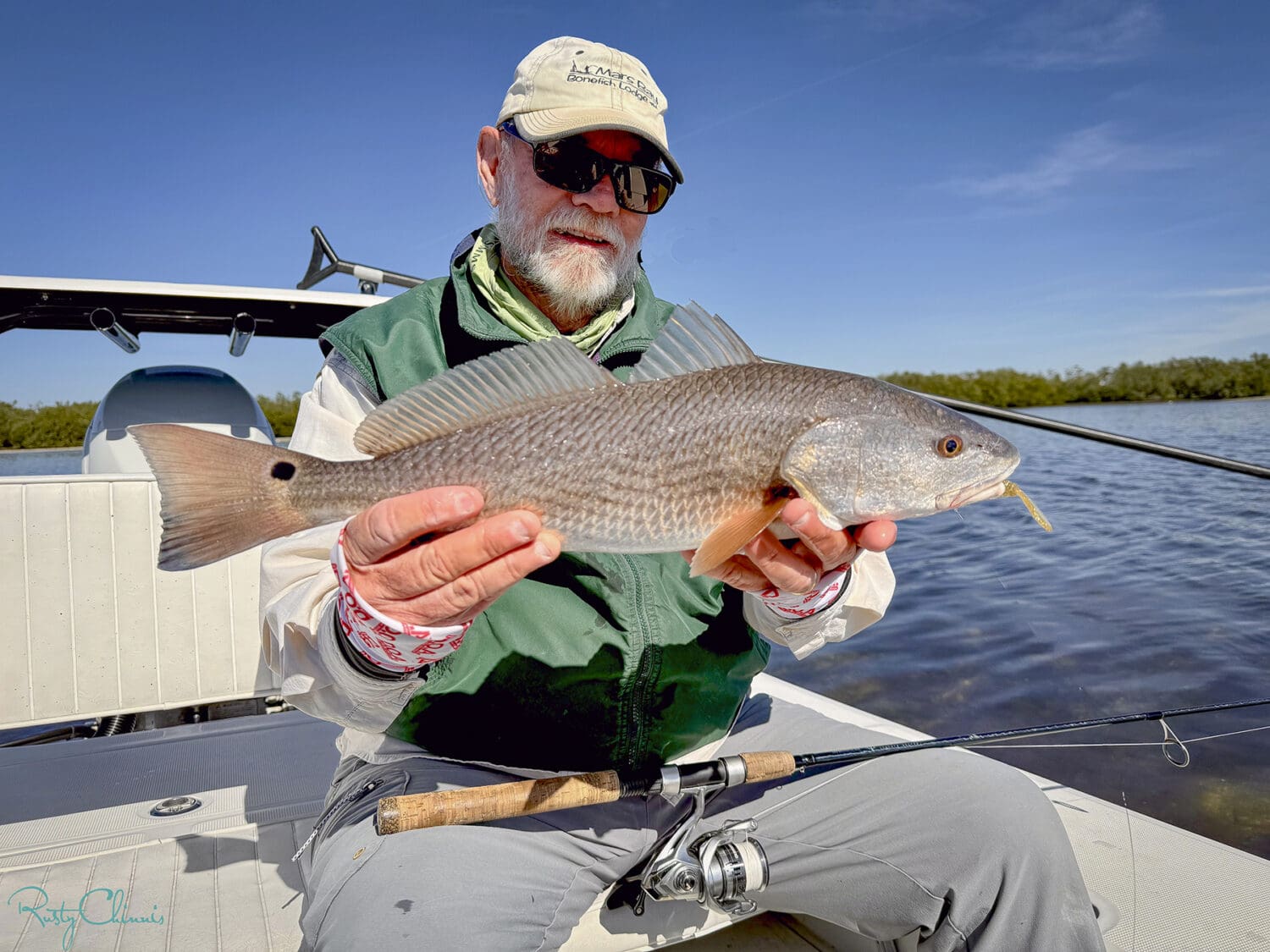
Sight fishing is my favorite way to target fish since I like to see the whites of their eyes. Last week I was reminded of how rewarding this method can be. While fishing Sarasota Bay with my friend, Capt. Rick Grassett, we landed three flounder, sheepshead, a redfish and had numerous shots at trout in very shallow water. All of these except the flounder were sight fished.
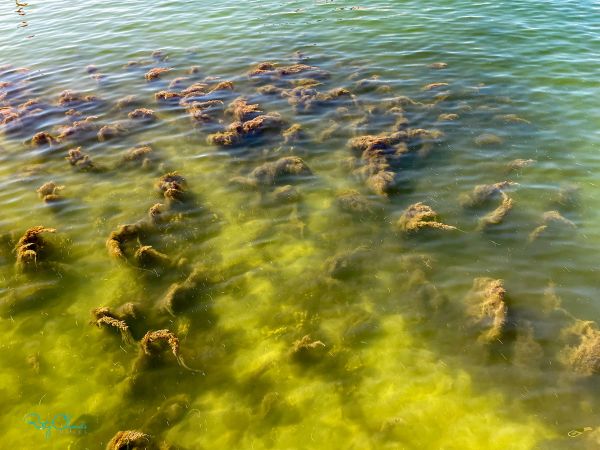
Most anglers spend a large portion of their time on the water throwing live bait, flies and artificial lures at likely-looking spots. That might be a grass edge, a pothole, a disturbance on the surface, or bird activity. Sight fishing, as the name implies, involves visually locating a fish, a shadow, a shape, or a push (a fish moving just under the surface) before making a cast. Being able to actually see the fish requires sun, clear water, or visual cues. Winter is a time of the year when we have low tides, clear water and often all of these cues.
 Three methods of sight fishing are generally employed locally – wading, standing on the bow of a boat while someone poles you along, or using a trolling motor to work across a flat. Of the three, wading allows you to get closest to fish, but the downside is that the low angle makes them harder to spot. Fishing from a boat either on the bow or a raised platform improves the visibility but requires staying further away and making a longer cast to avoid spooking the target. When using trolling motors, the same applies, because fish are much warier in shallow water and the sound of the motor can alert fish to your presence. Use the trolling motor to position yourself for a drift when fish are spooky. Whatever method is employed, a pair of polarized glasses, a hat with a dark underbill and an accurate cast are key. Sight fishing is effective and rewarding when using fly tackle, artificial lures or live bait.
Fish are normally located by moving slowly across a flat. If they’re particularly spooky, it can be effective to station yourself within range of a pothole or other visible edge and wait for them to cross the sand where they can easily be spotted. This requires patience but can pay dividends. To increase your chances, station the boat or stand off to the side in the grass so that you don’t cast a shadow. When you see signs of a fish, make as long a cast as possible. When fly fishing, make sure that the fly lands lightly and never too close. Anglers using artificial lures and live bait can cast well past the target, bringing it back to a position the fish can see. In both cases make sure your presentation never moves towards your target, tripletail excepted.
If you’re wading, make sure you have proper footwear and shuffle your feet as you move across the bottom. Many anglers abandon wading in the winter, but this can be one of the best times of the year. The chances of the water being clear are greater and you’re likely to have less competition. Fish can be extremely wary when the sun is high and the water clear. Wading helps lower your profile, allowing a stealthier approach.
Note: Never wet wade if you have an open wound.
Whatever your fishing style, give sight fishing a try. Not only is it effective, but it’s exciting when you enter the fish’s domain. Remember, always release any fish you won’t be eating fresh and handle them with care, keeping them in the water if possible.